We are processing your request.
Please, don't close or refresh the page.
11 AM – 6:45 PM
Calle Manuel Rojas Marcos 3, Sevilla
1 hour approx.
Price from: 29.00 €

Flamenco Dance Museum, Seville: Tickets and Info

This website offers official tickets for this venue. Please note, however, that it is not the official website of the venue.

Smartphone tickets

Smartphone tickets

Why wait?

Priority Access Available

Instant confirmation

Instant confirmation

Flexible cancellation
Flexible cancellation

Smartphone tickets

Smartphone tickets

Everything you need, right in your pocket!
Why wait?

Why wait?

Skip the line and get priority access
Instant confirmation

Instant confirmation

Receive your tickets seconds after your purchase
Flexible cancellation

Flexible cancellation

Free cancellation up to 24 hours before the event available on selected experiences
4.7
(18)

Flamenco Dance Museum: Show only

Highlights

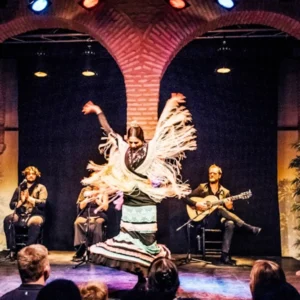
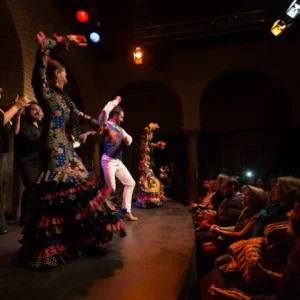
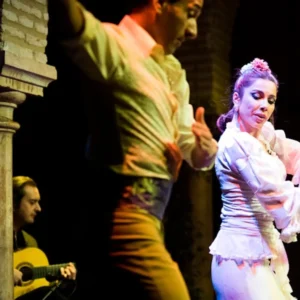
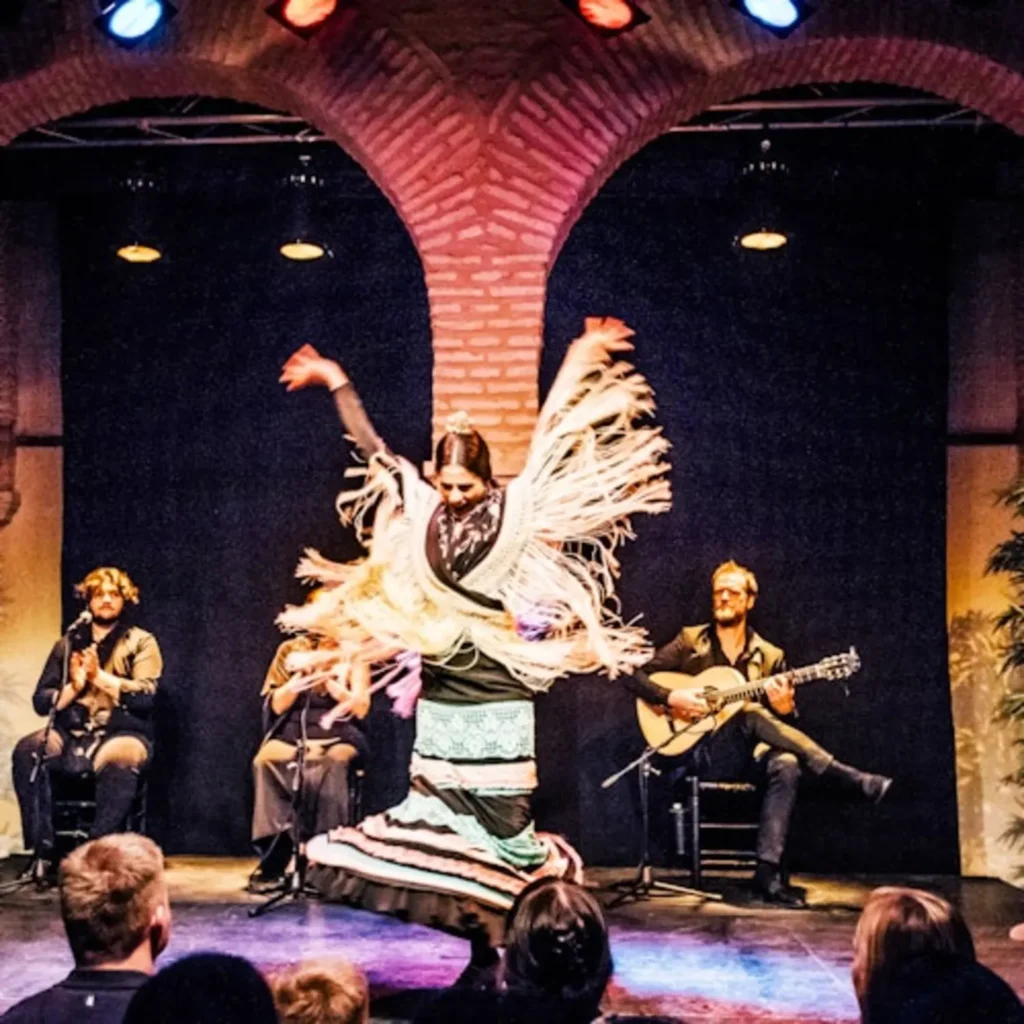
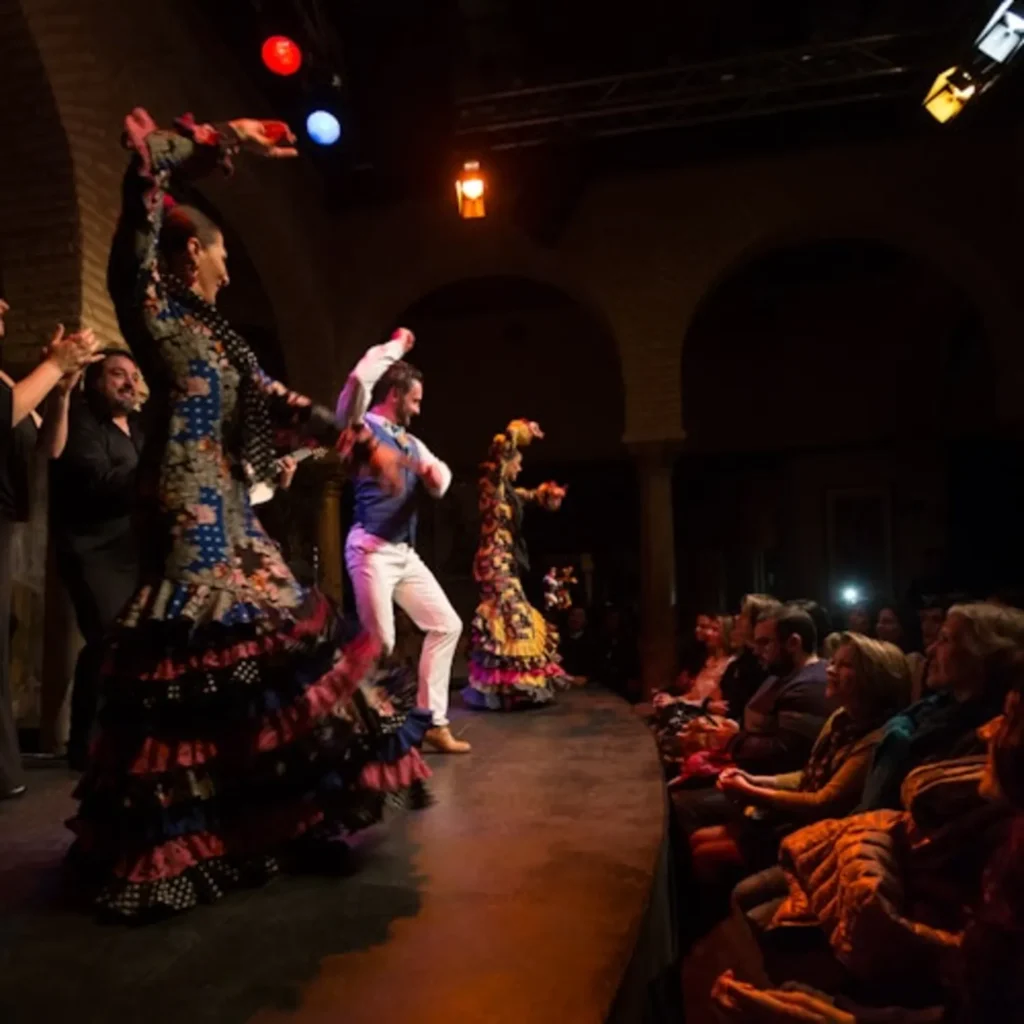
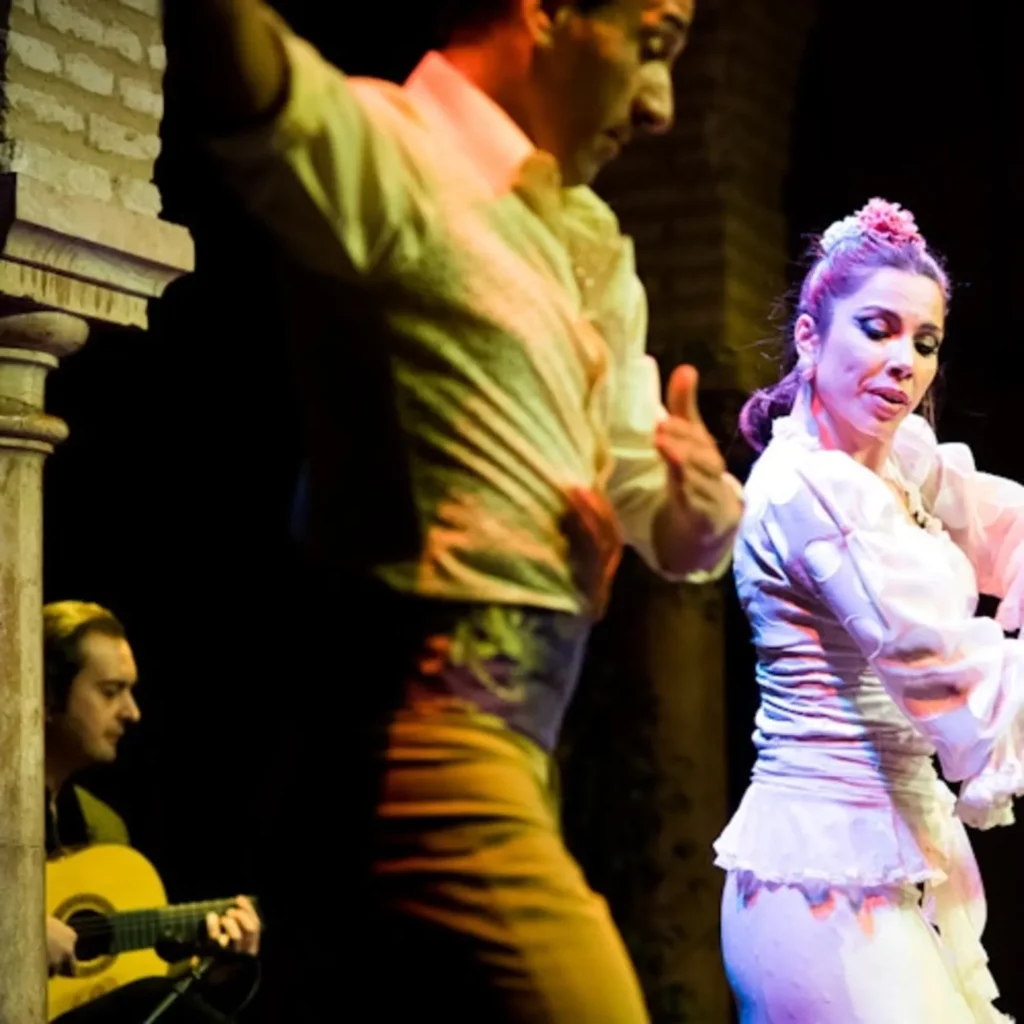
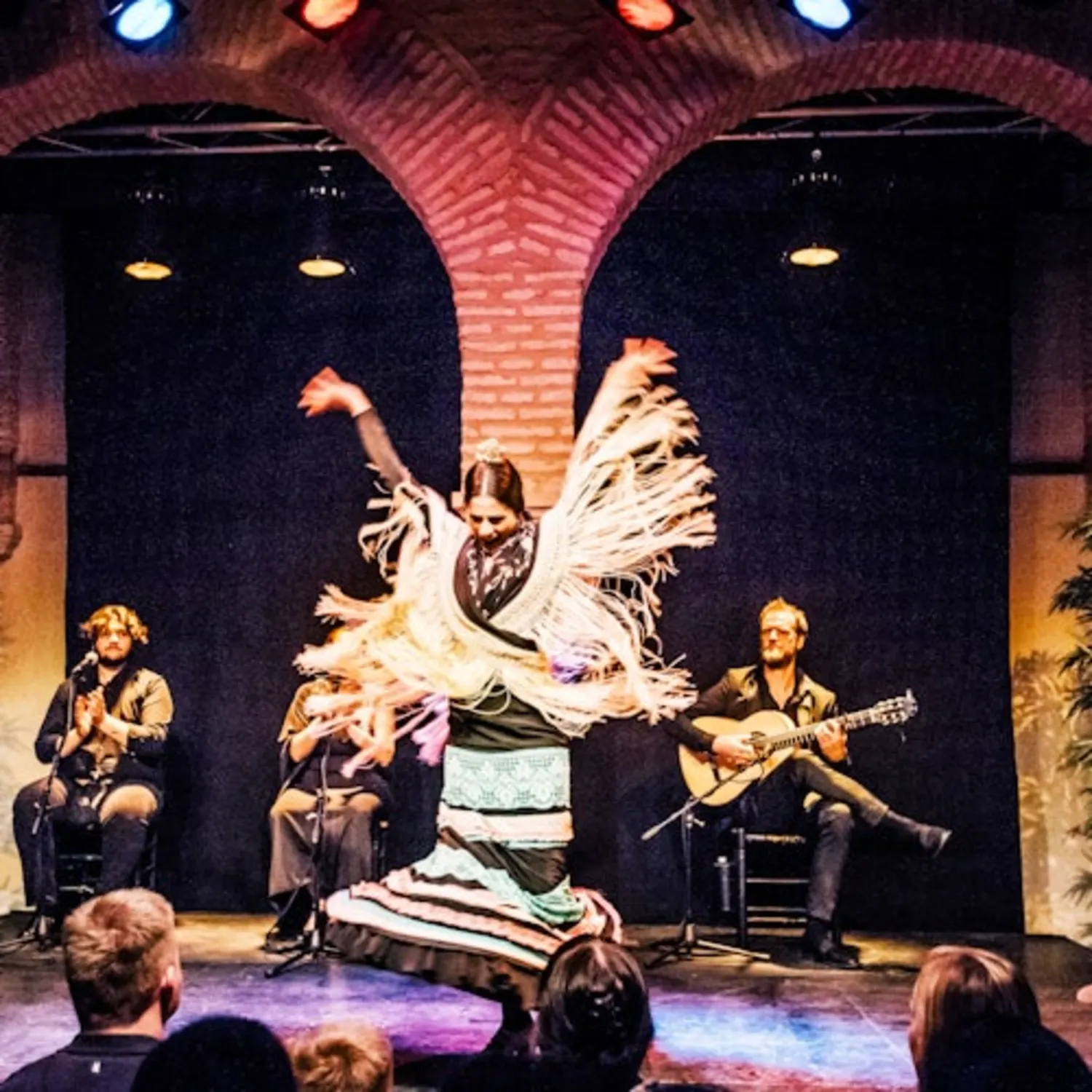
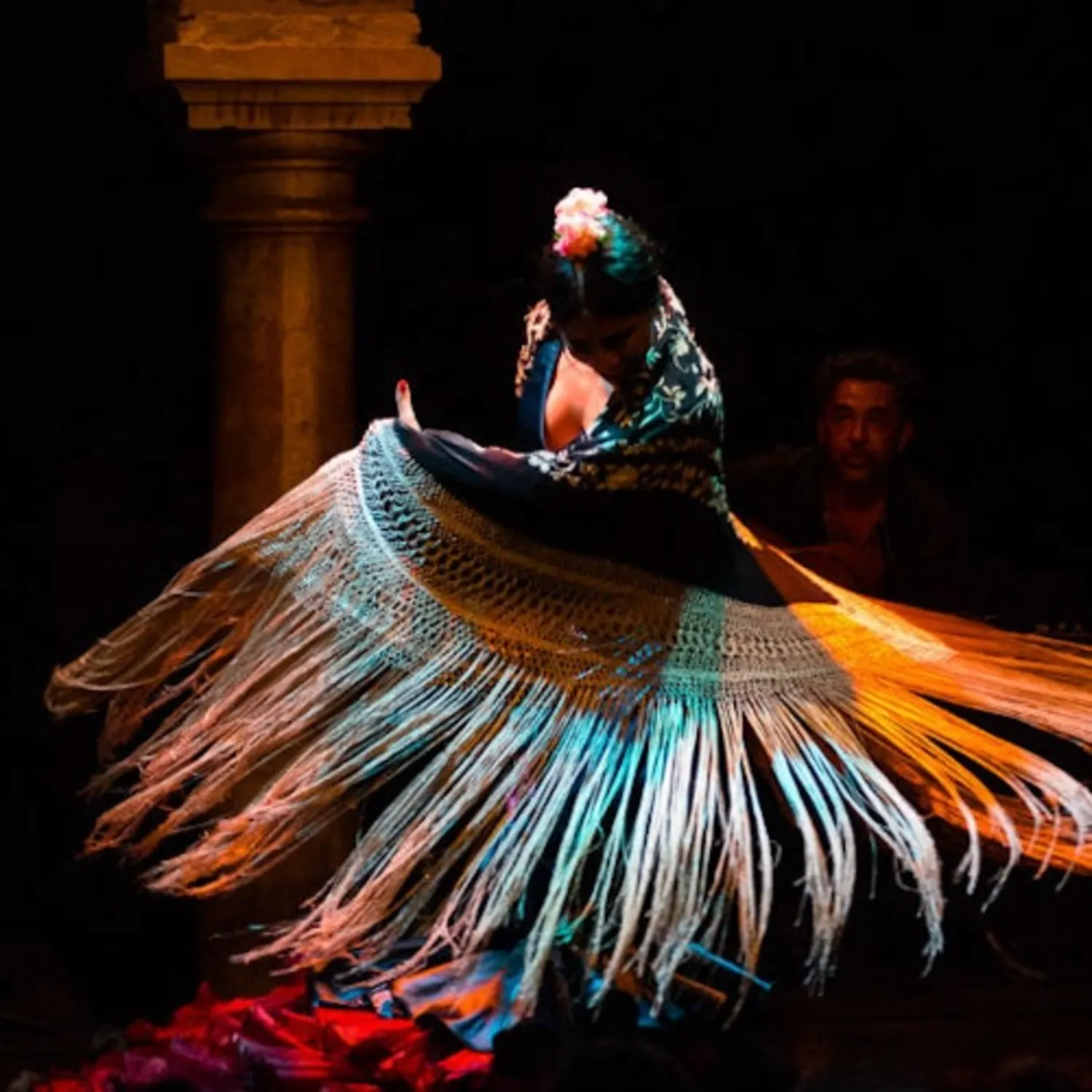
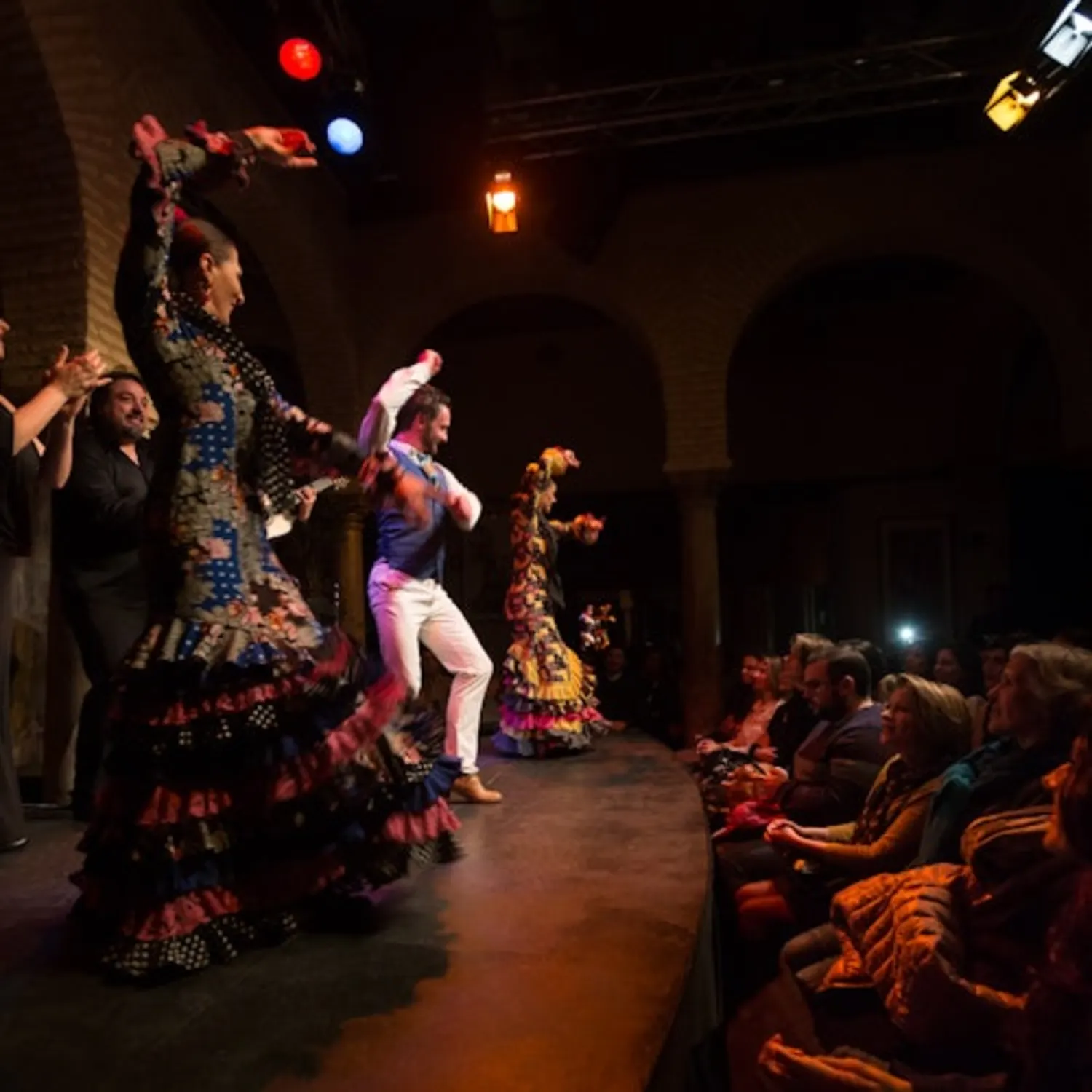
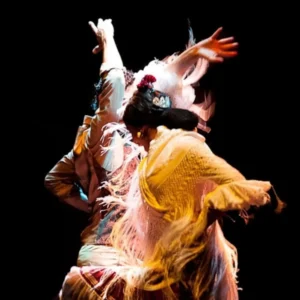
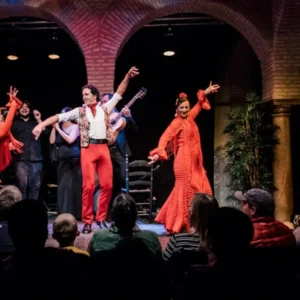
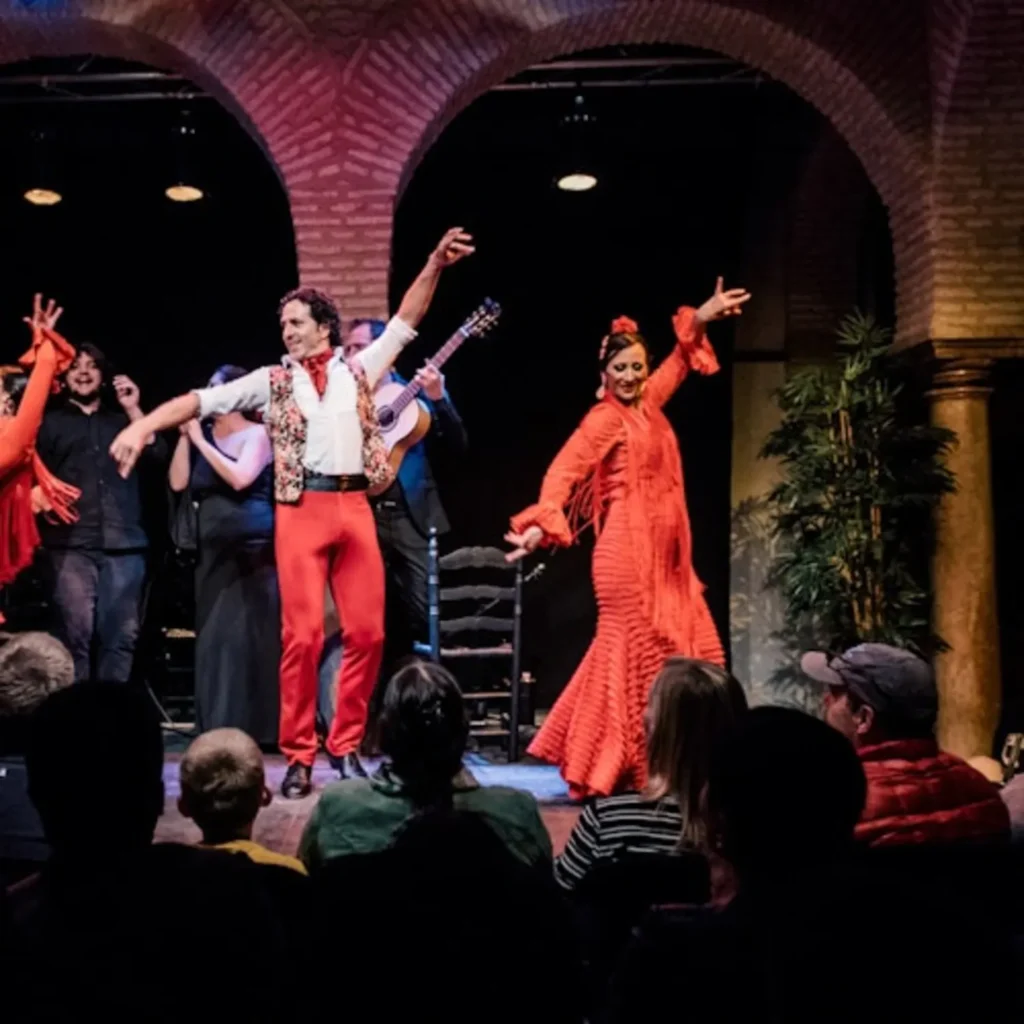
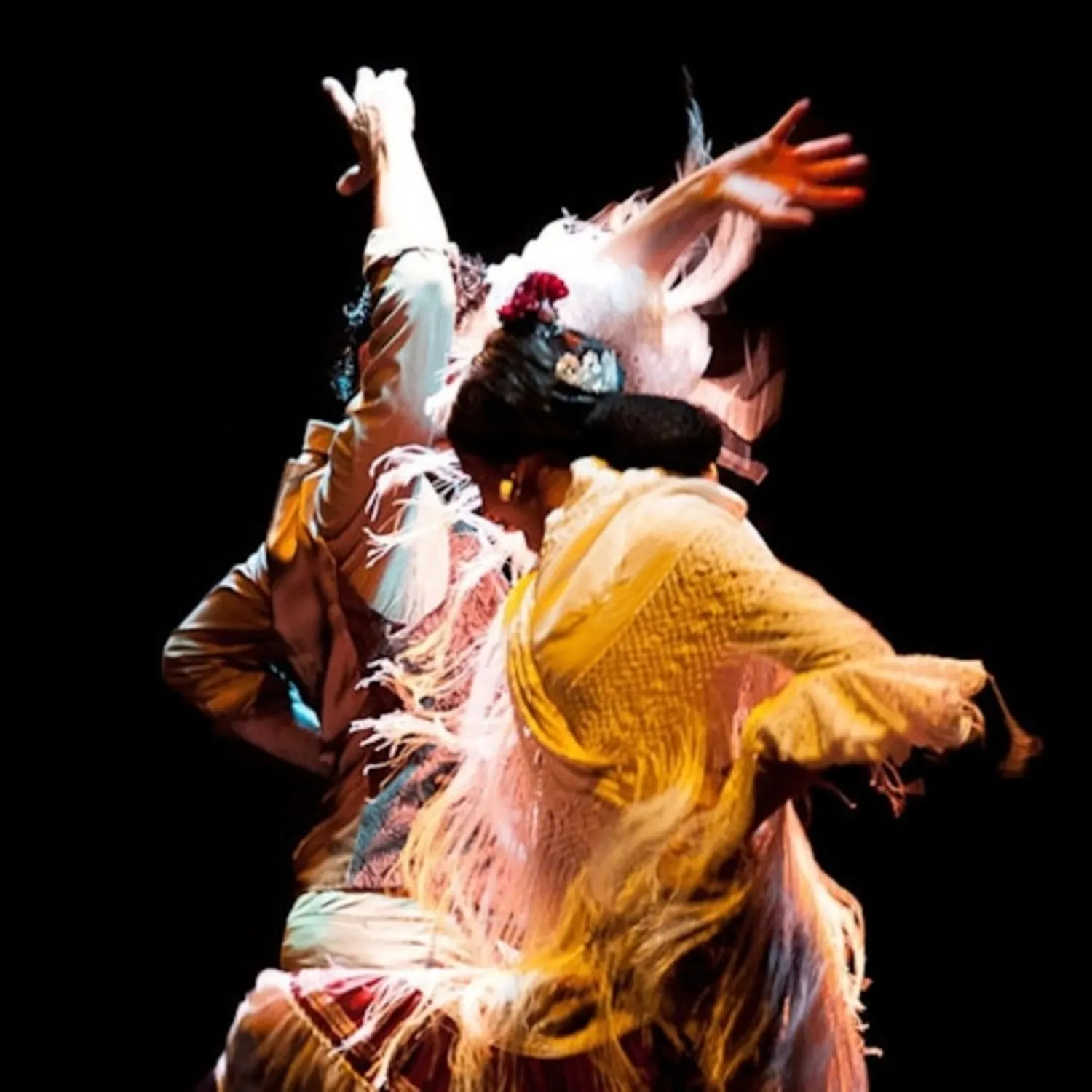
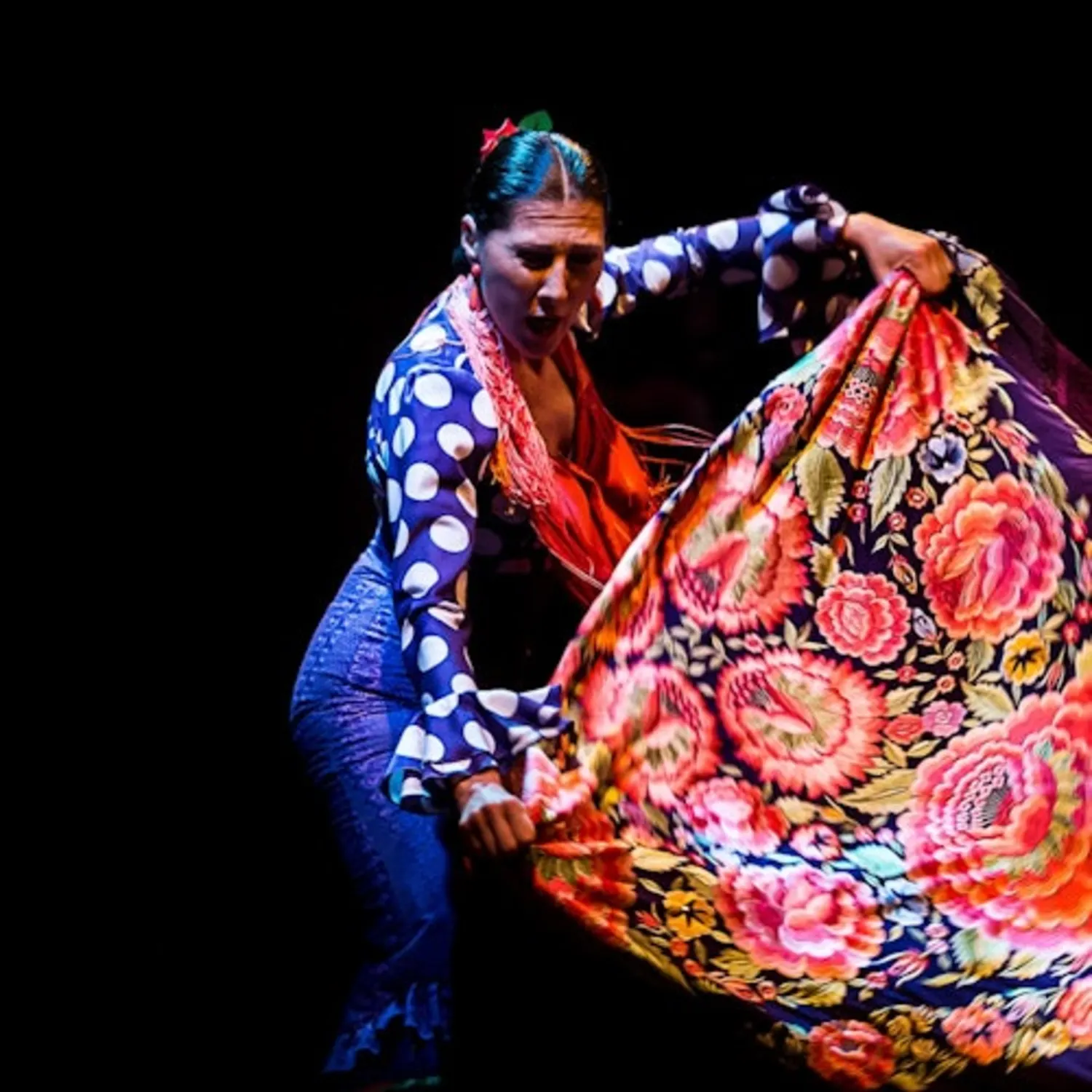
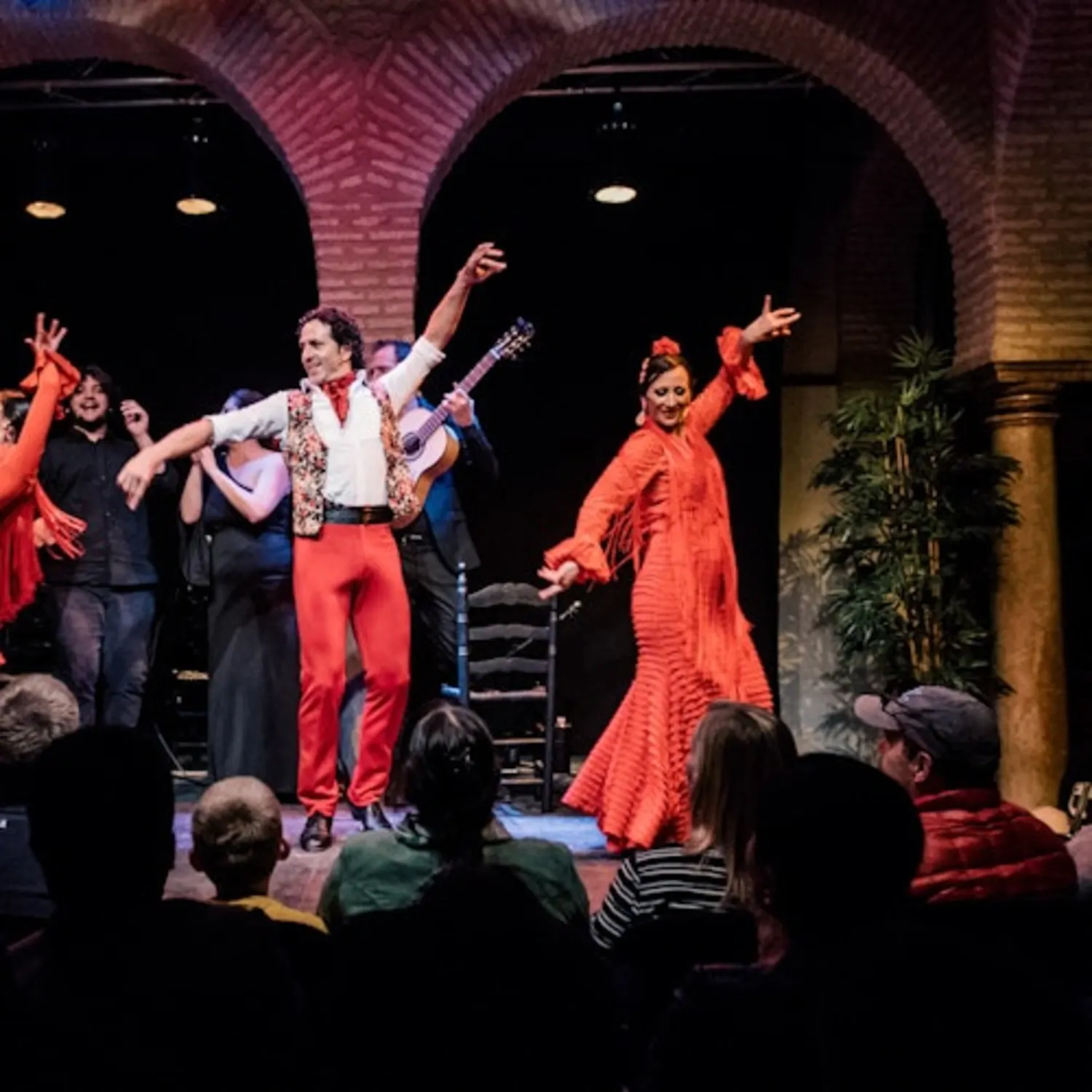
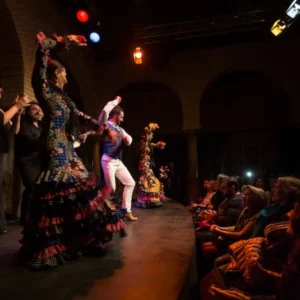
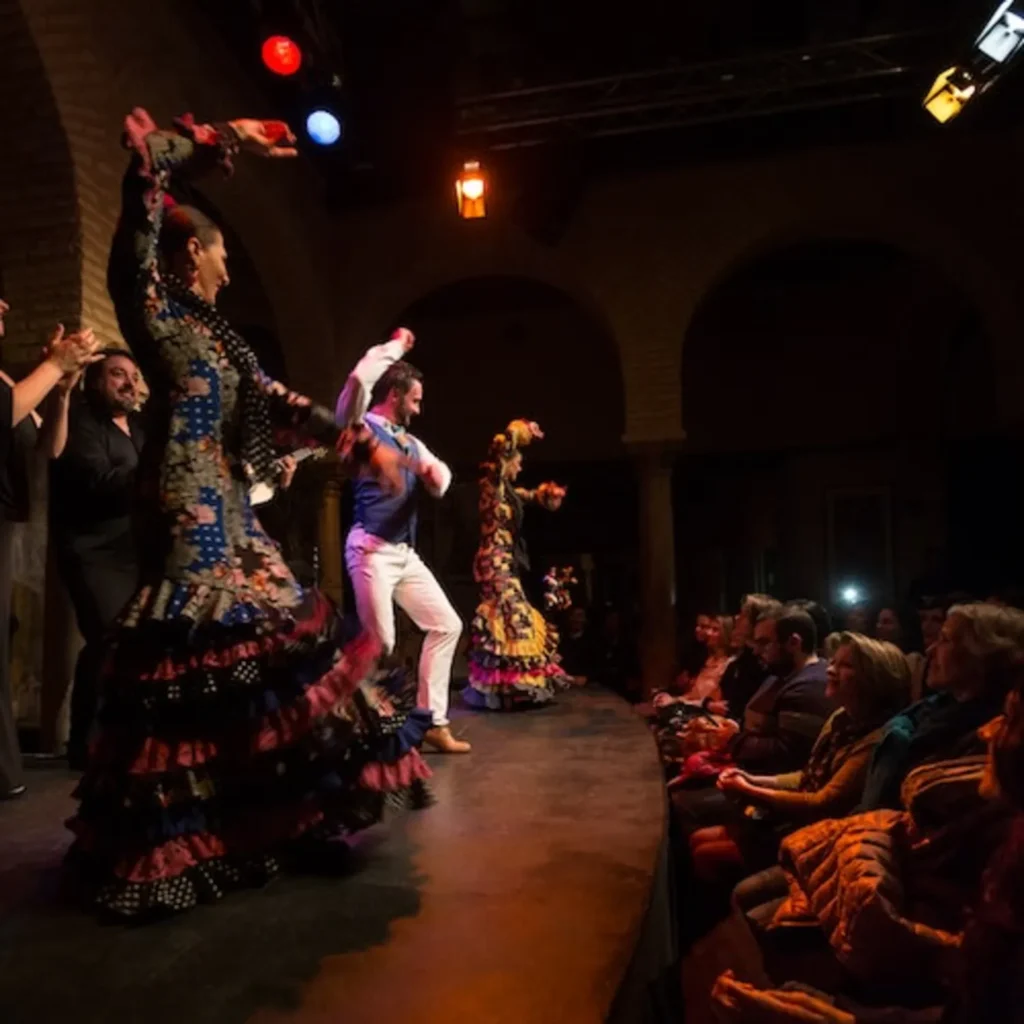
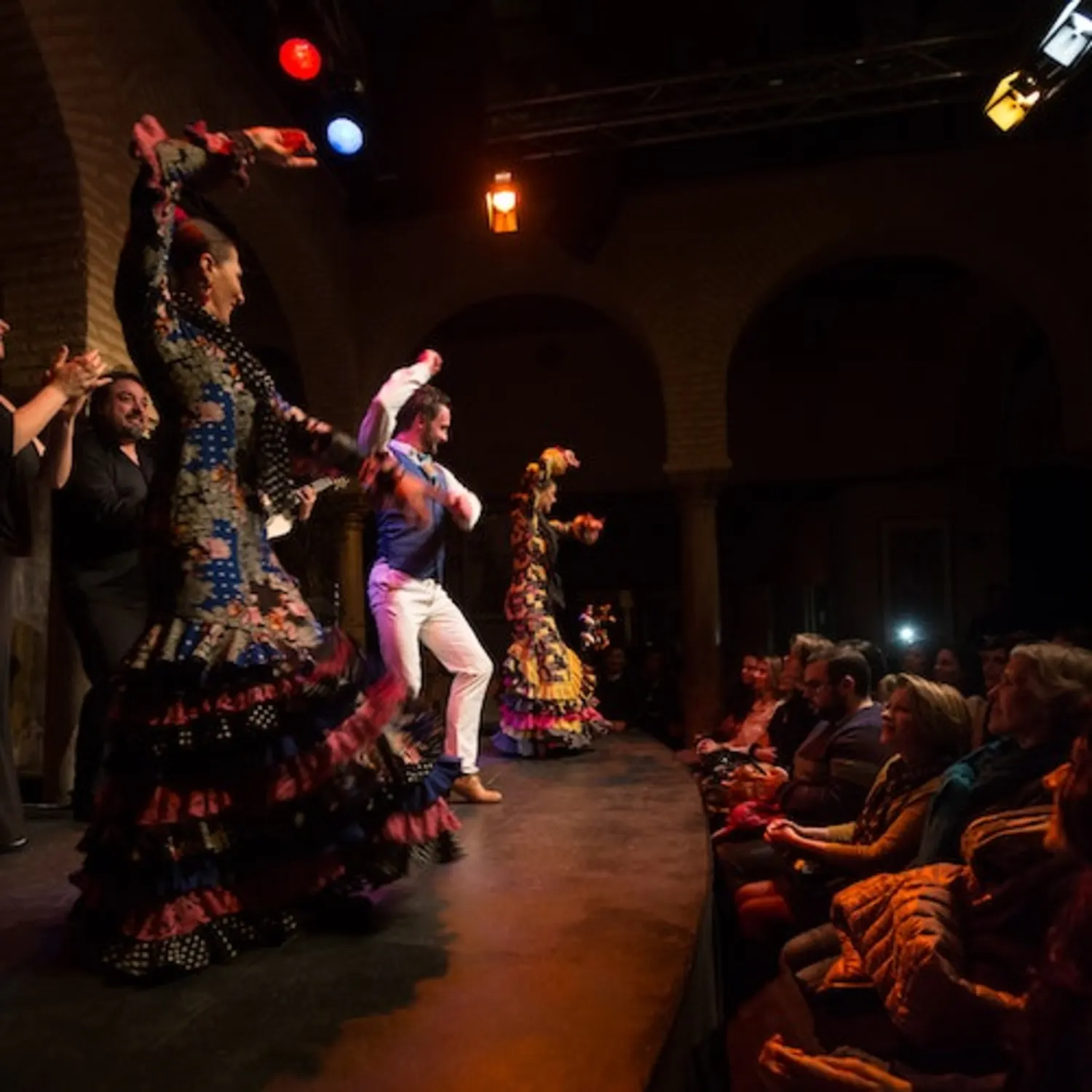
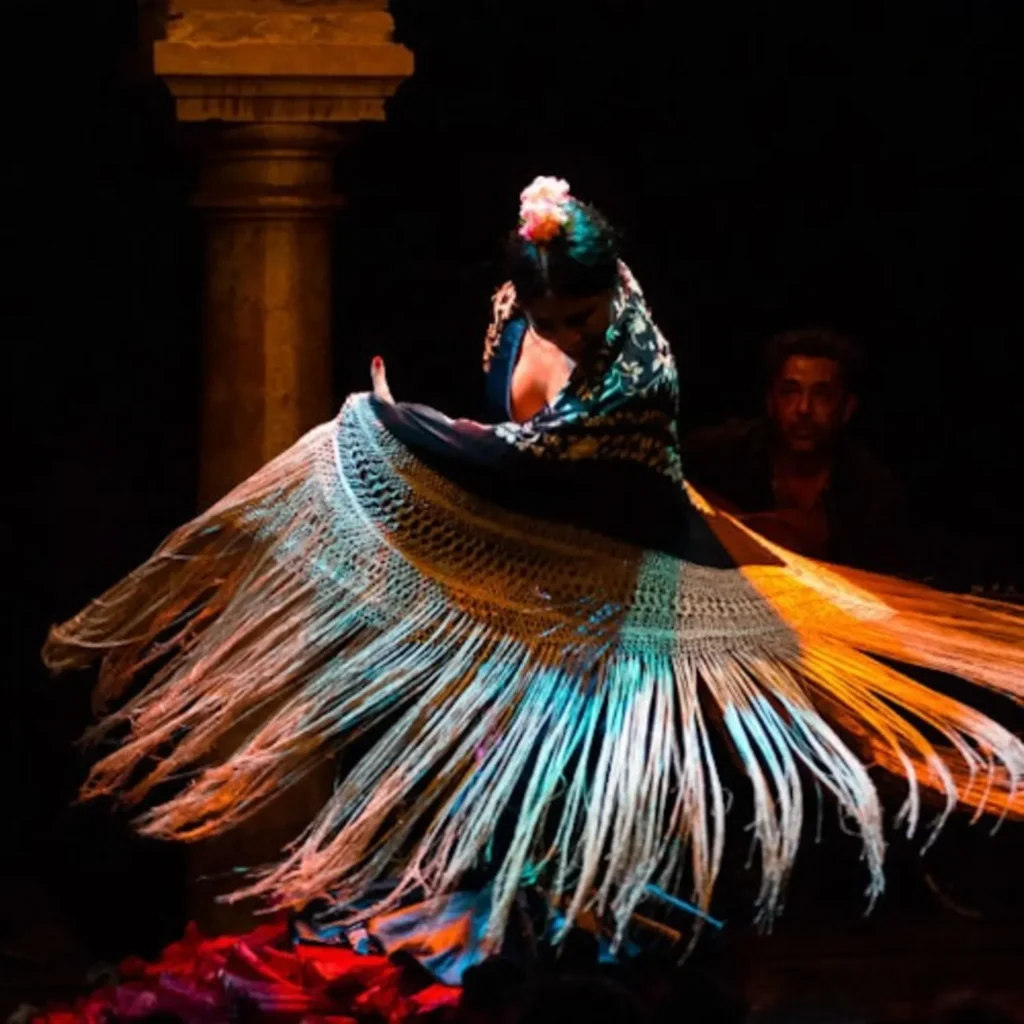
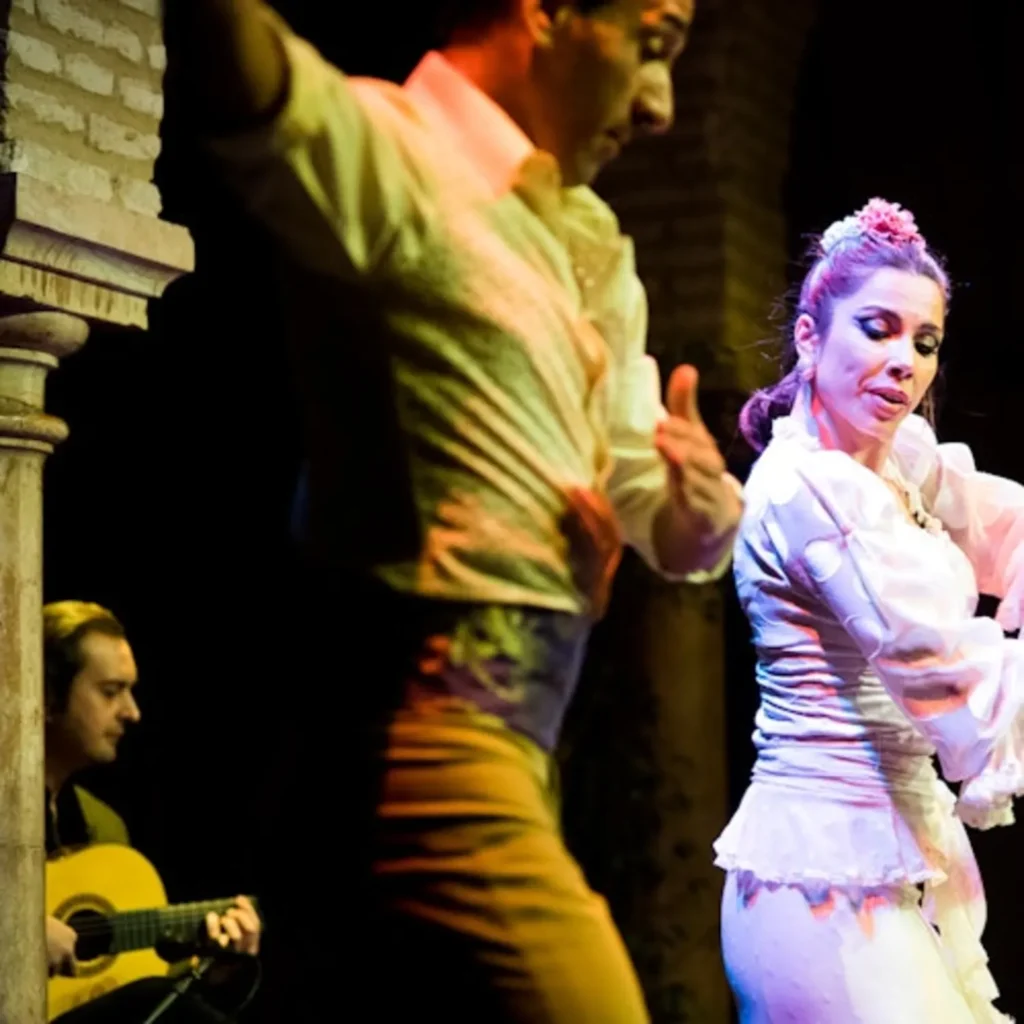
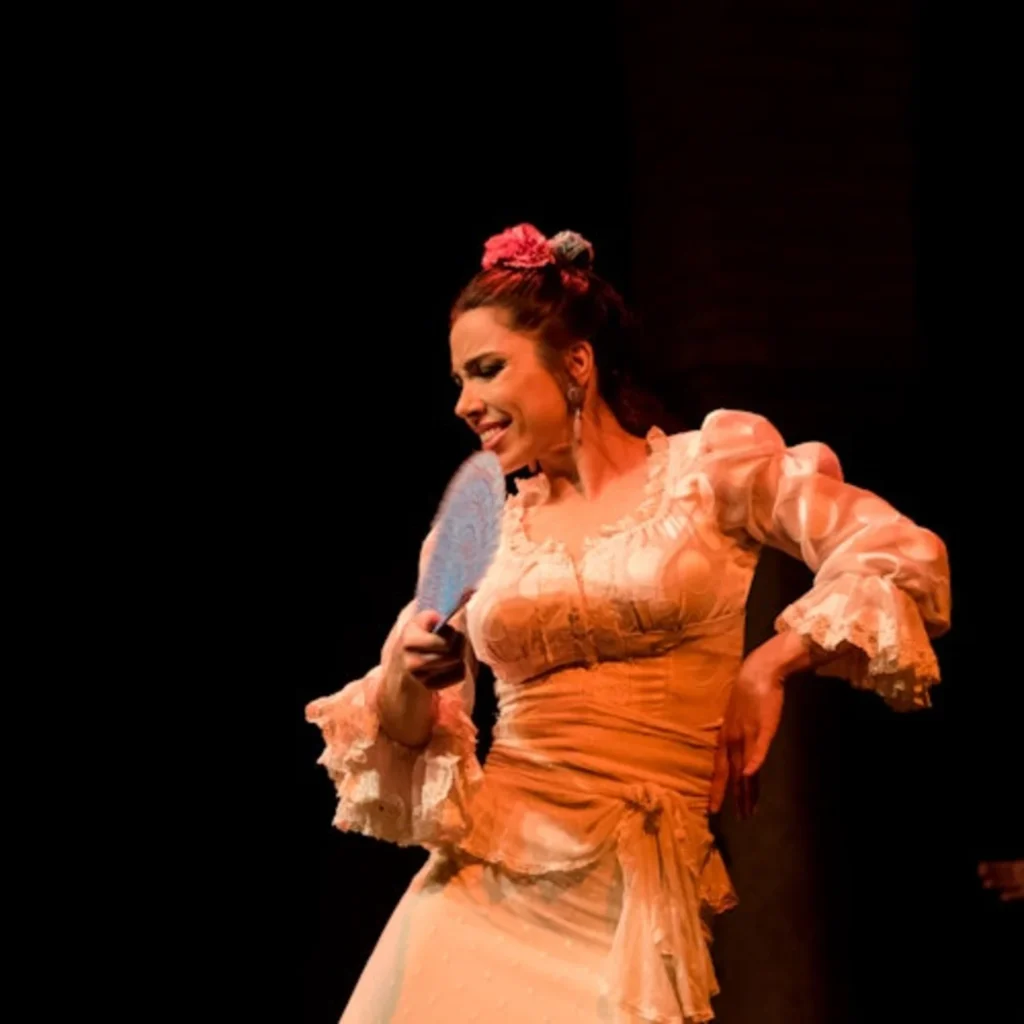
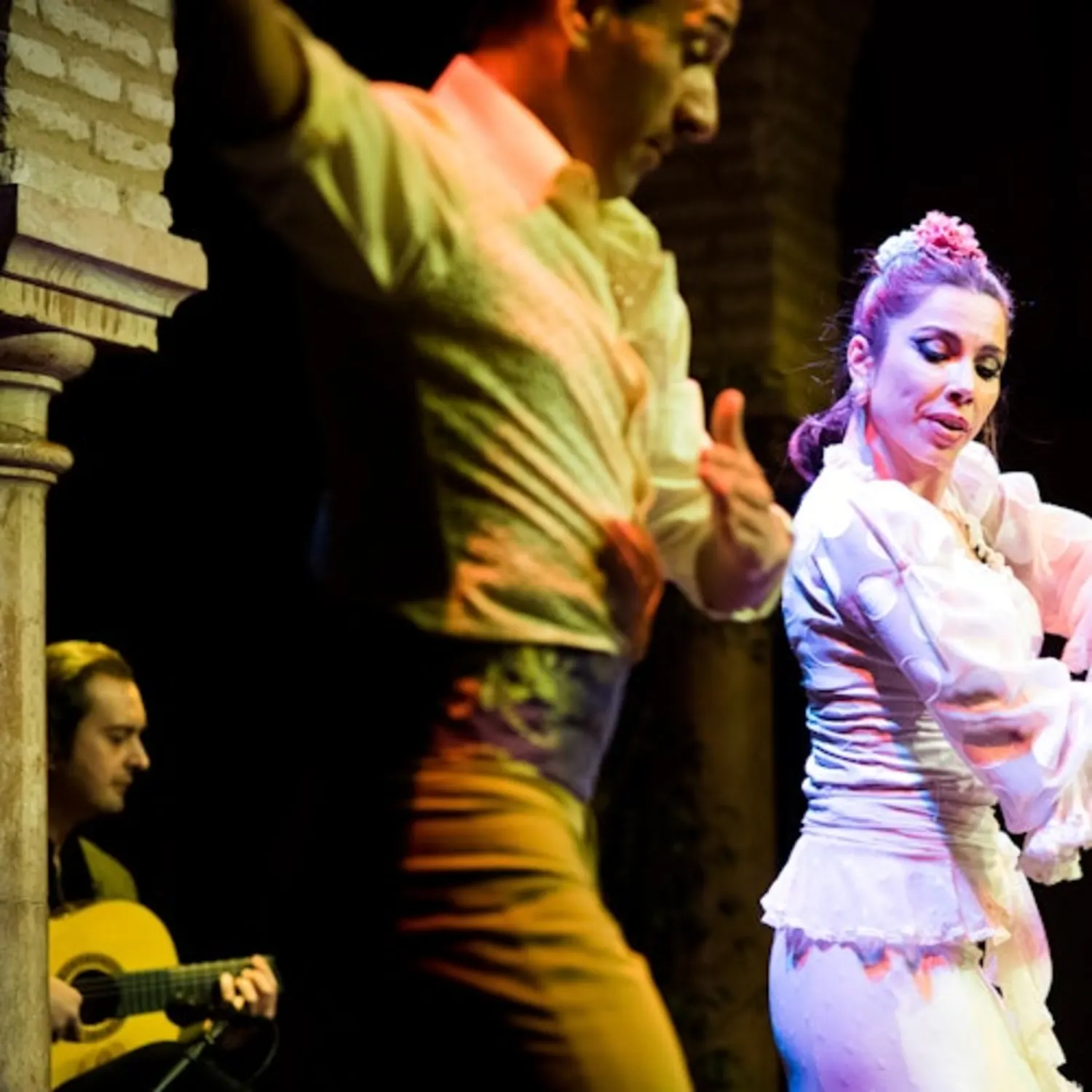
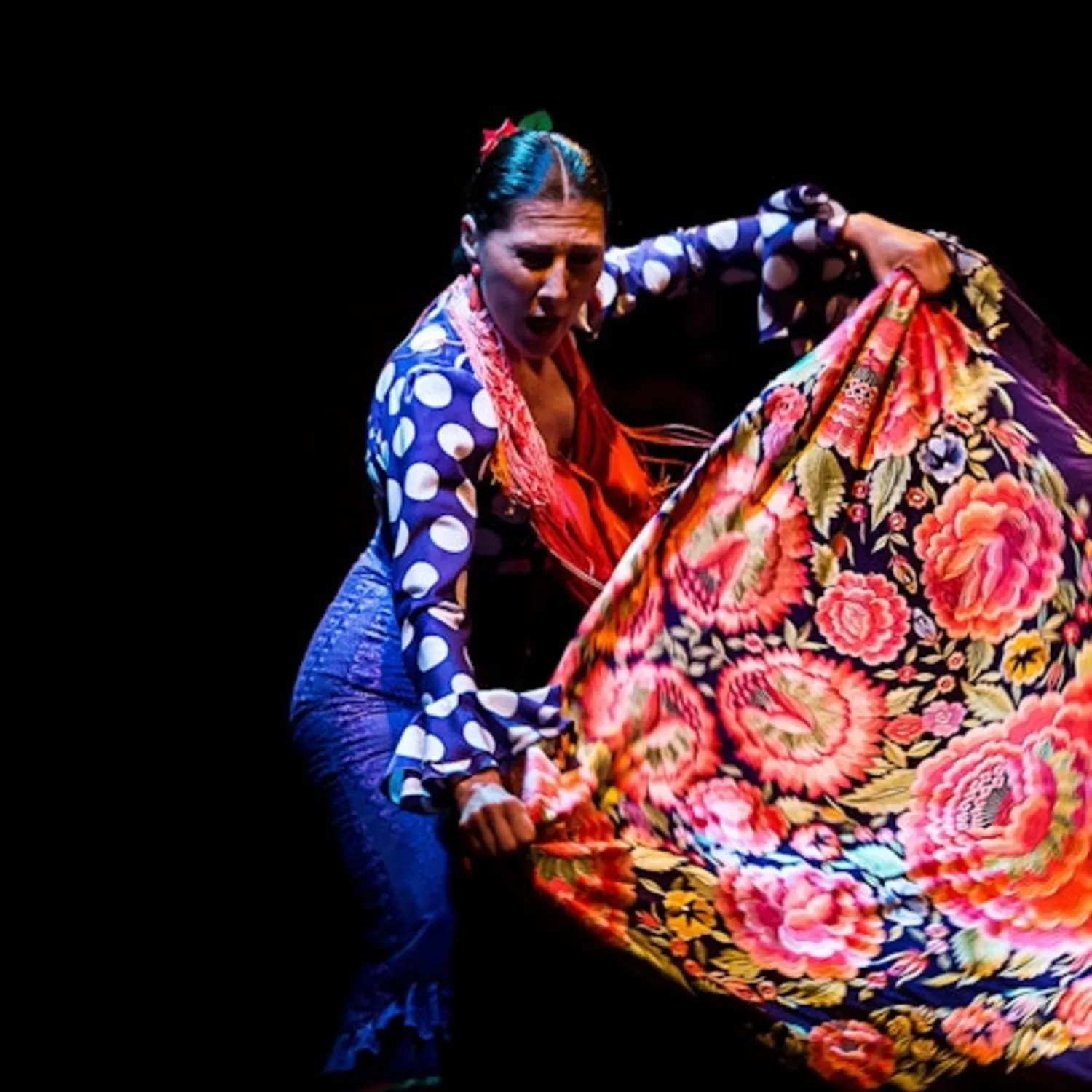
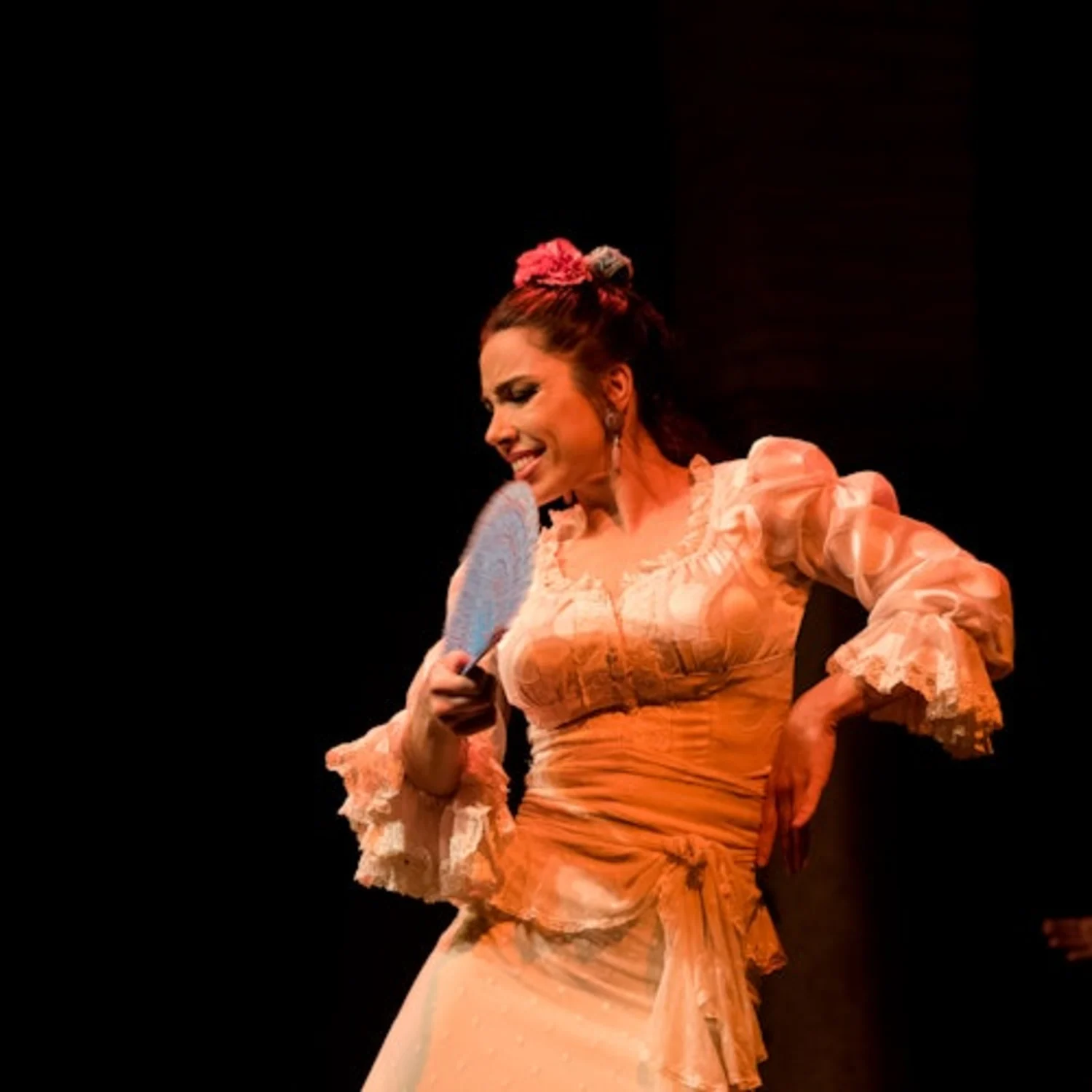
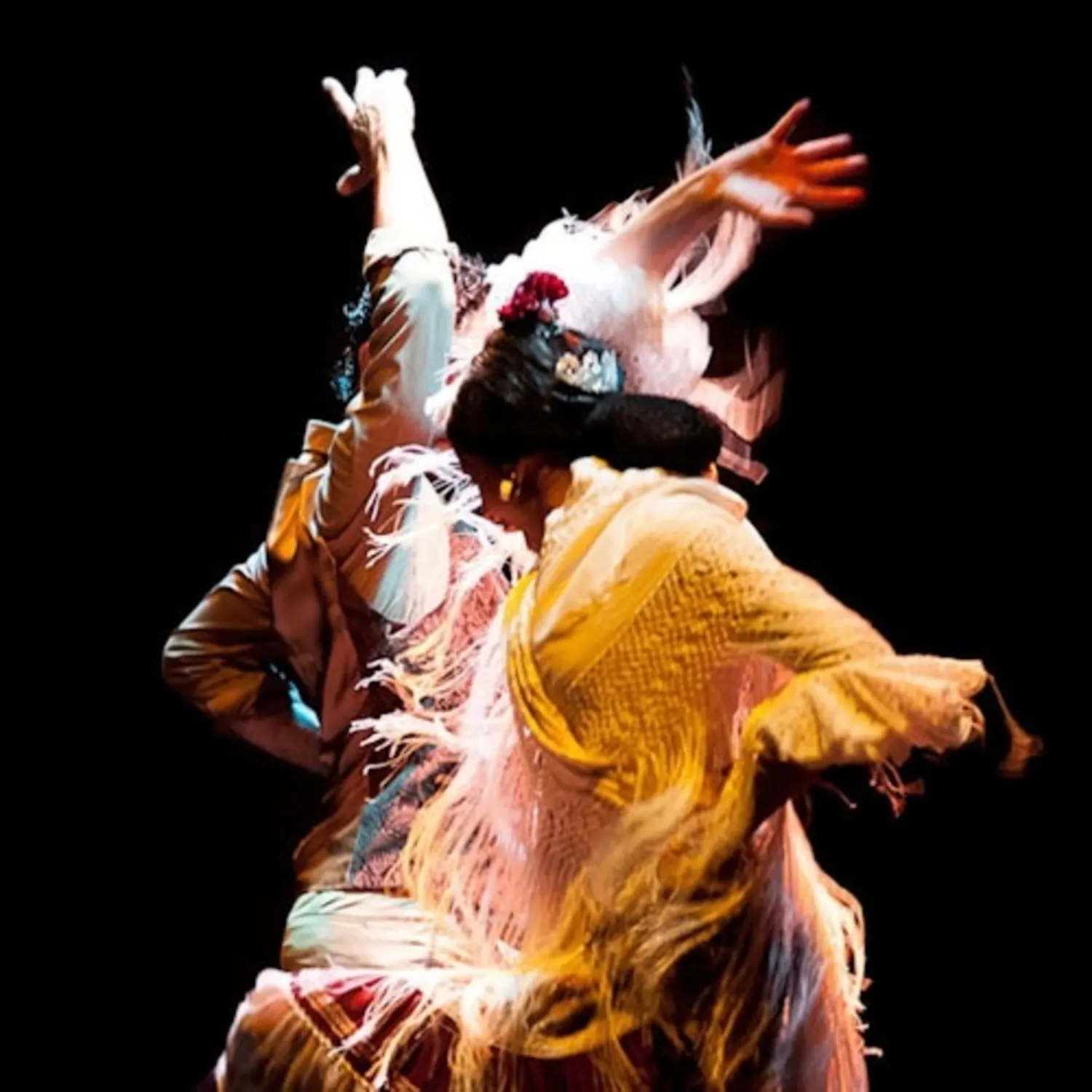
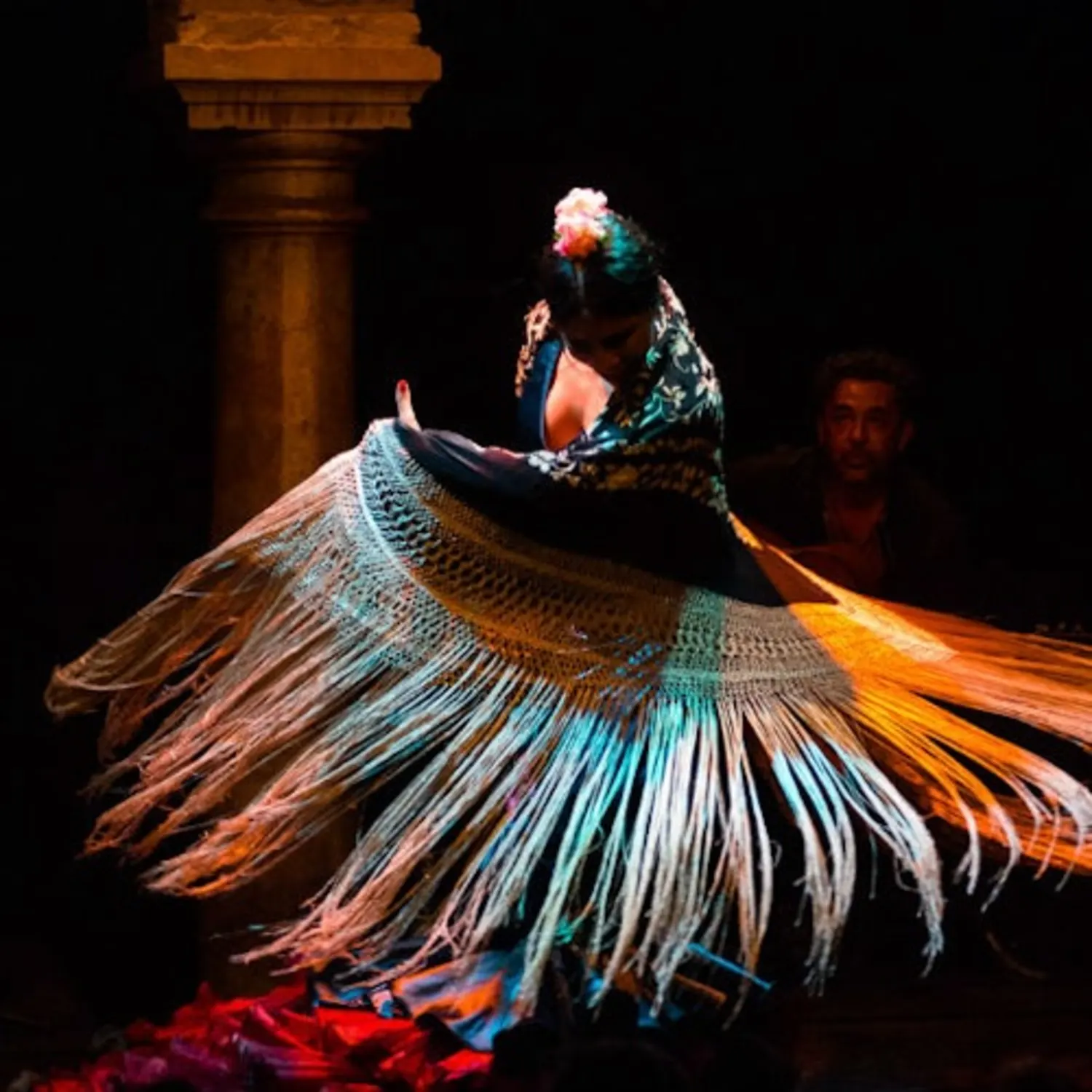
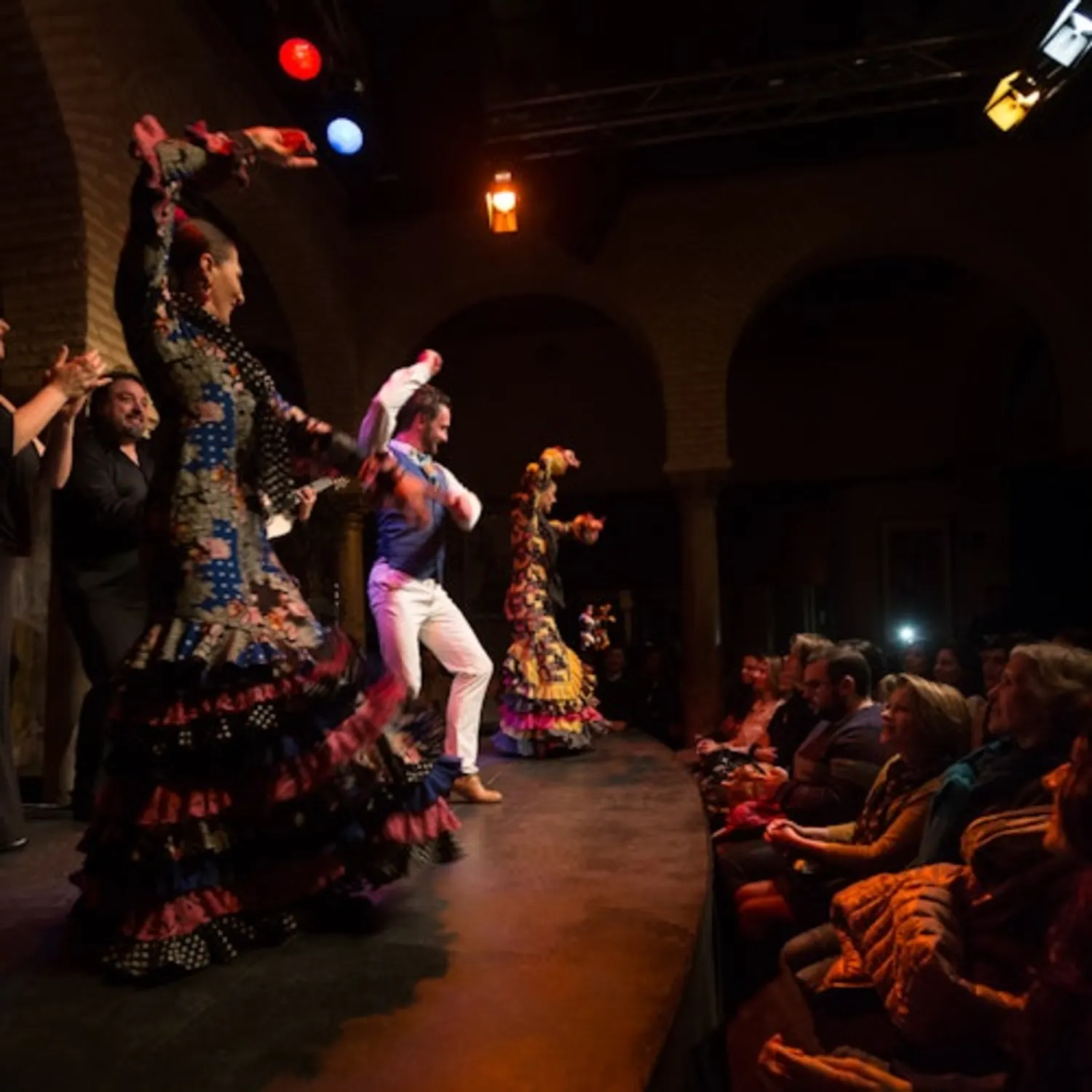
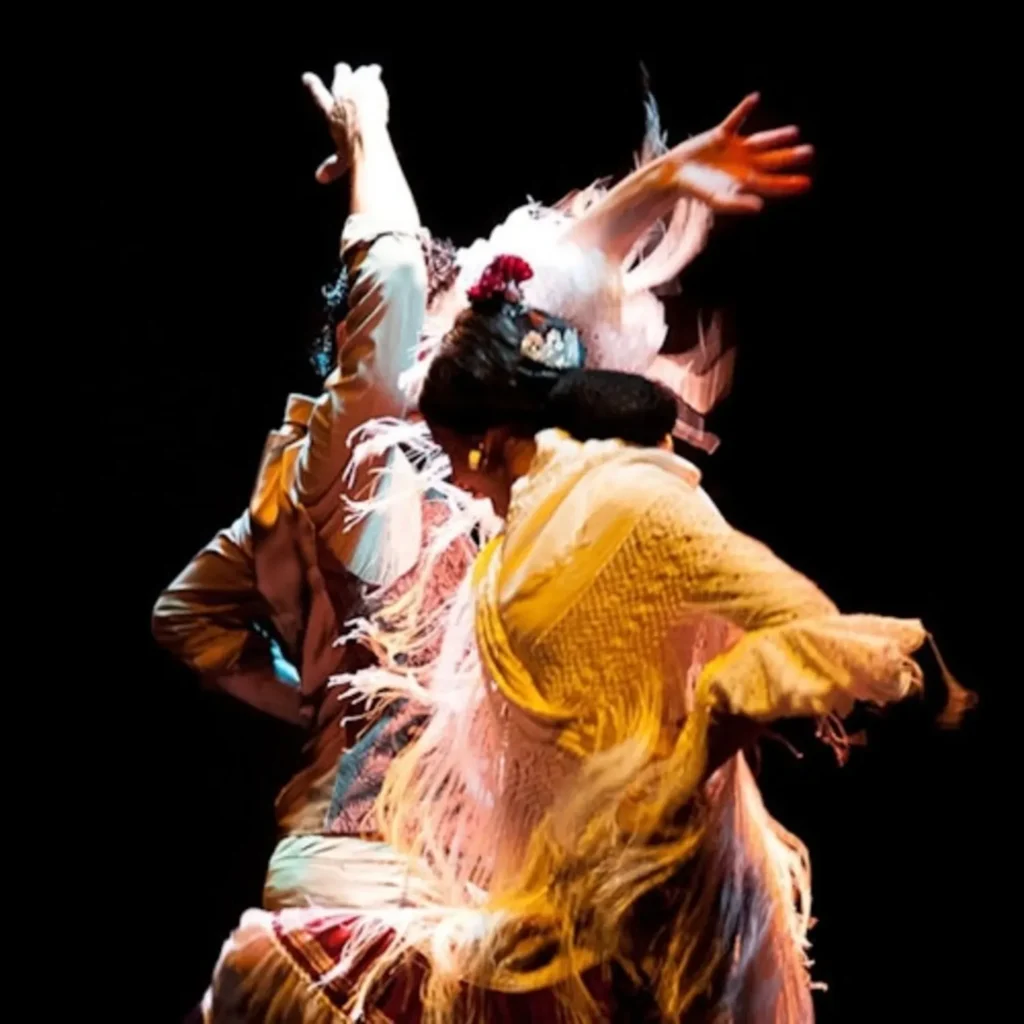
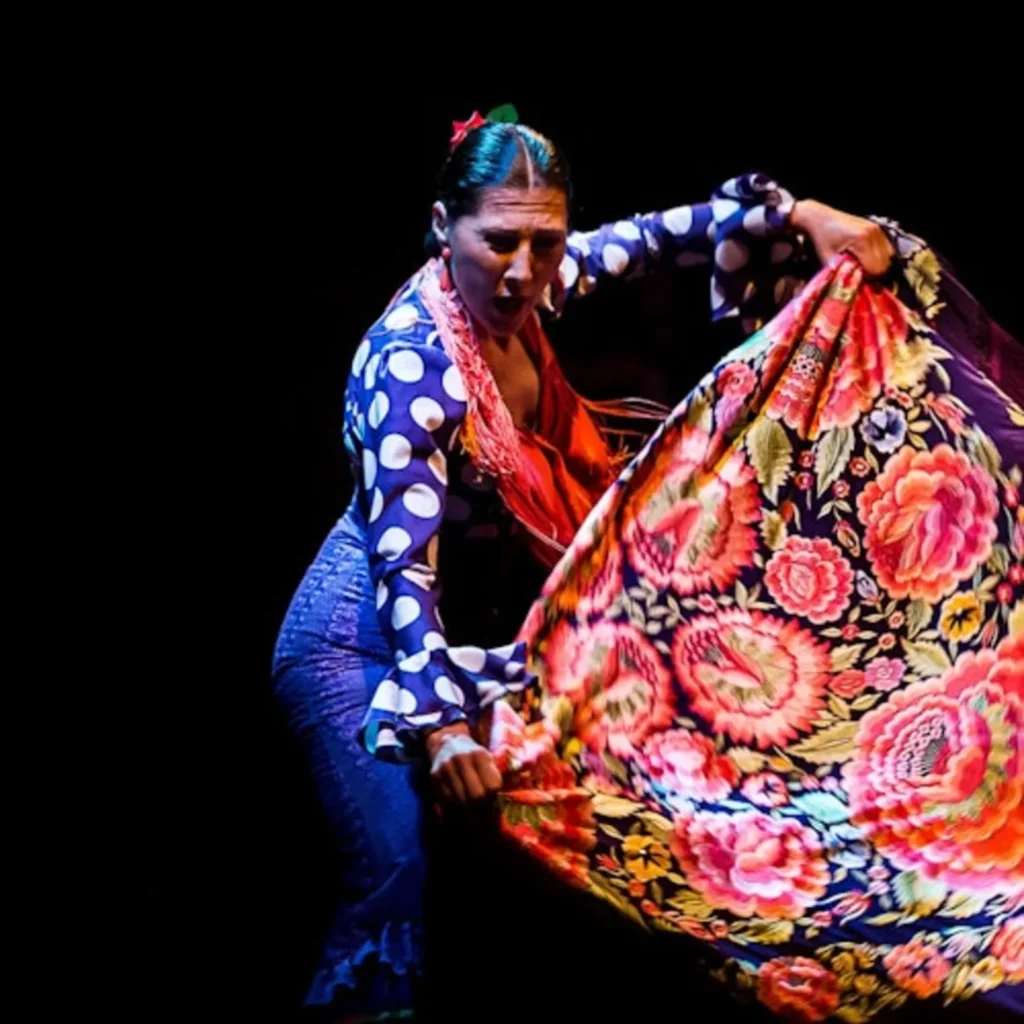
Watch skilled flamenco dancers perform exhilarating routines in an authentic 18th-century courtyard.

Enjoy a show choreographed by the famed flamenco artist Cristina Hoyos.

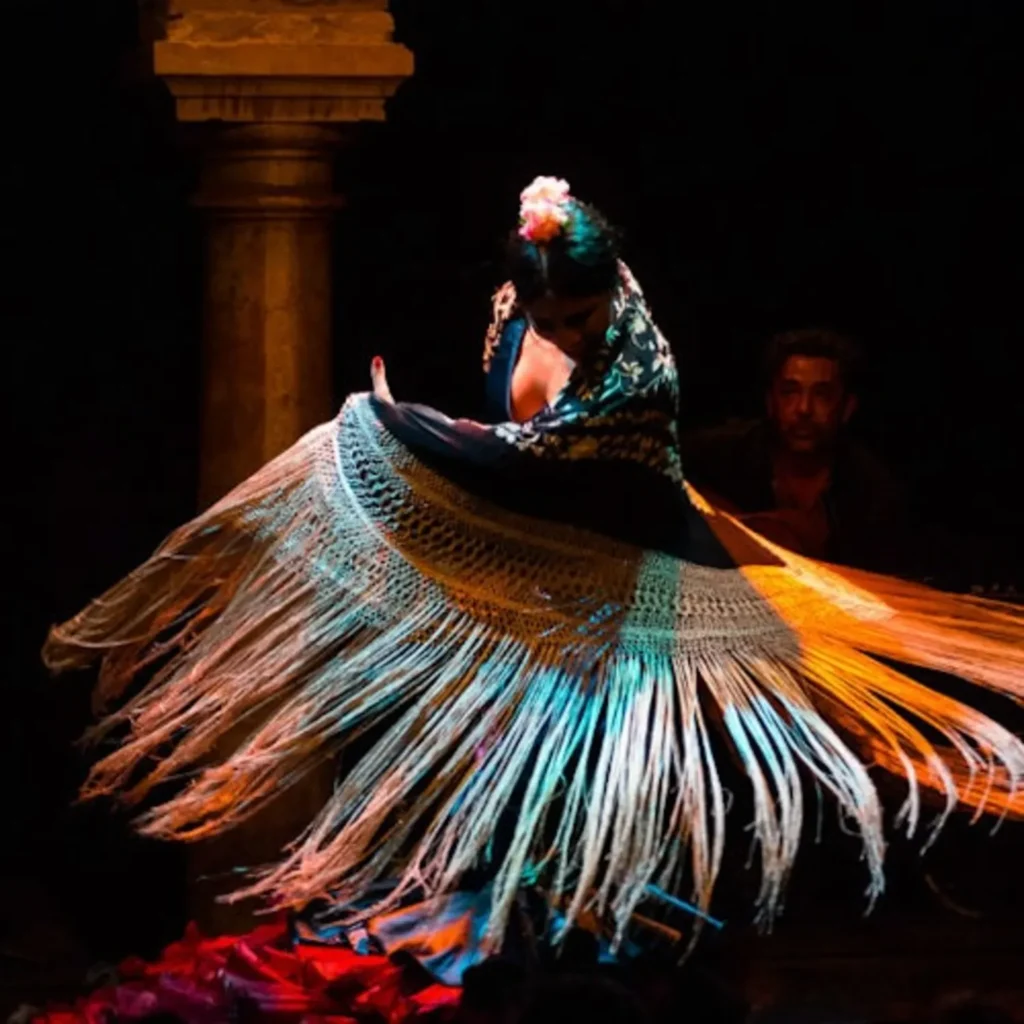
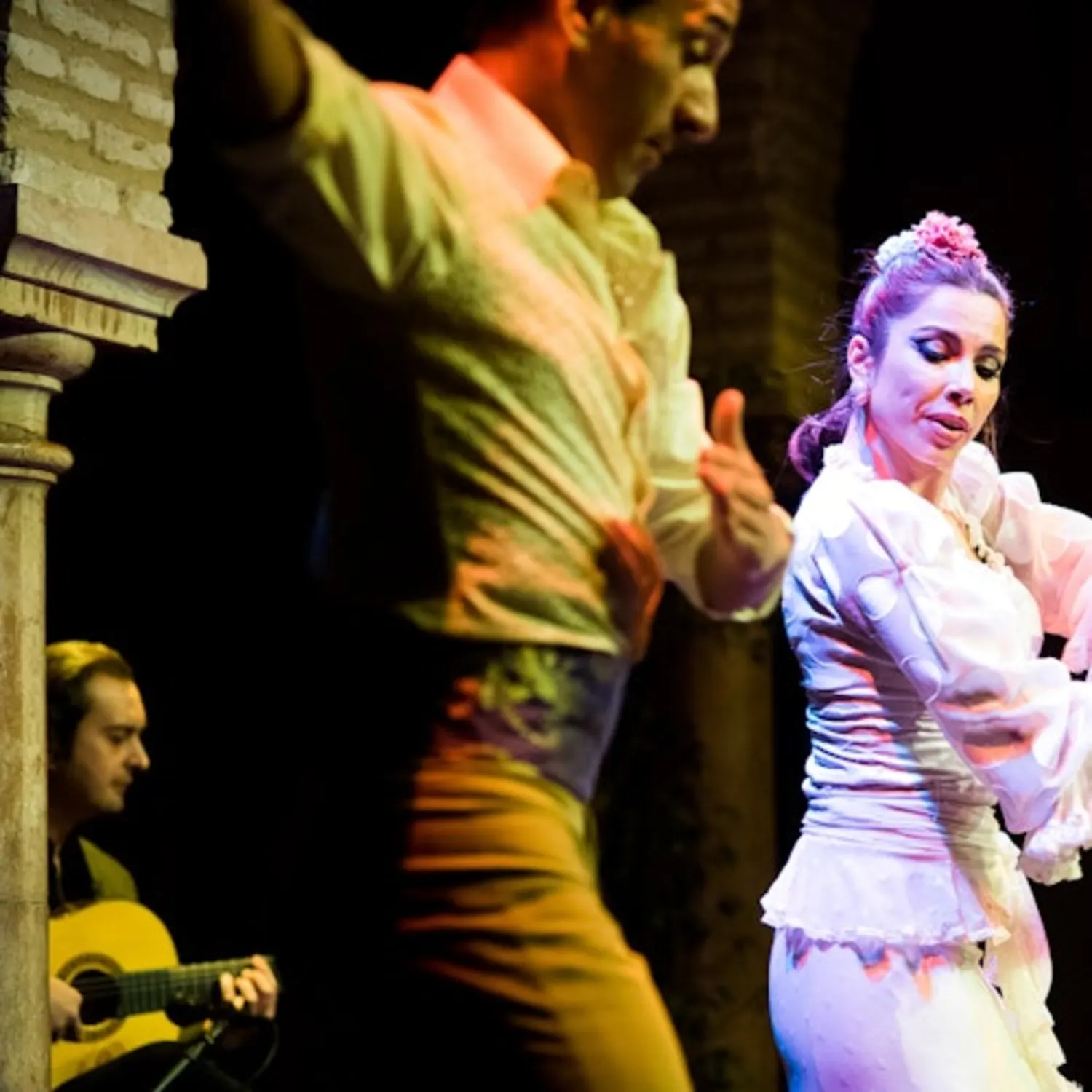
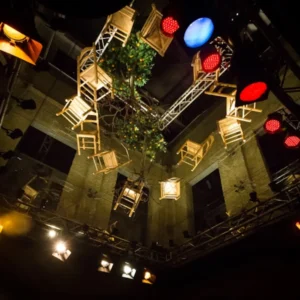
Take in the mesmerizing atmosphere enhanced by live music and dramatic lighting.

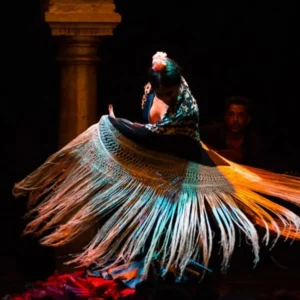
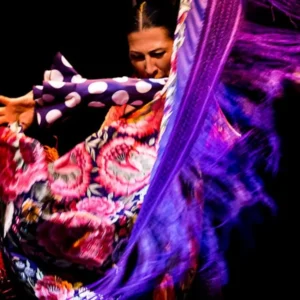
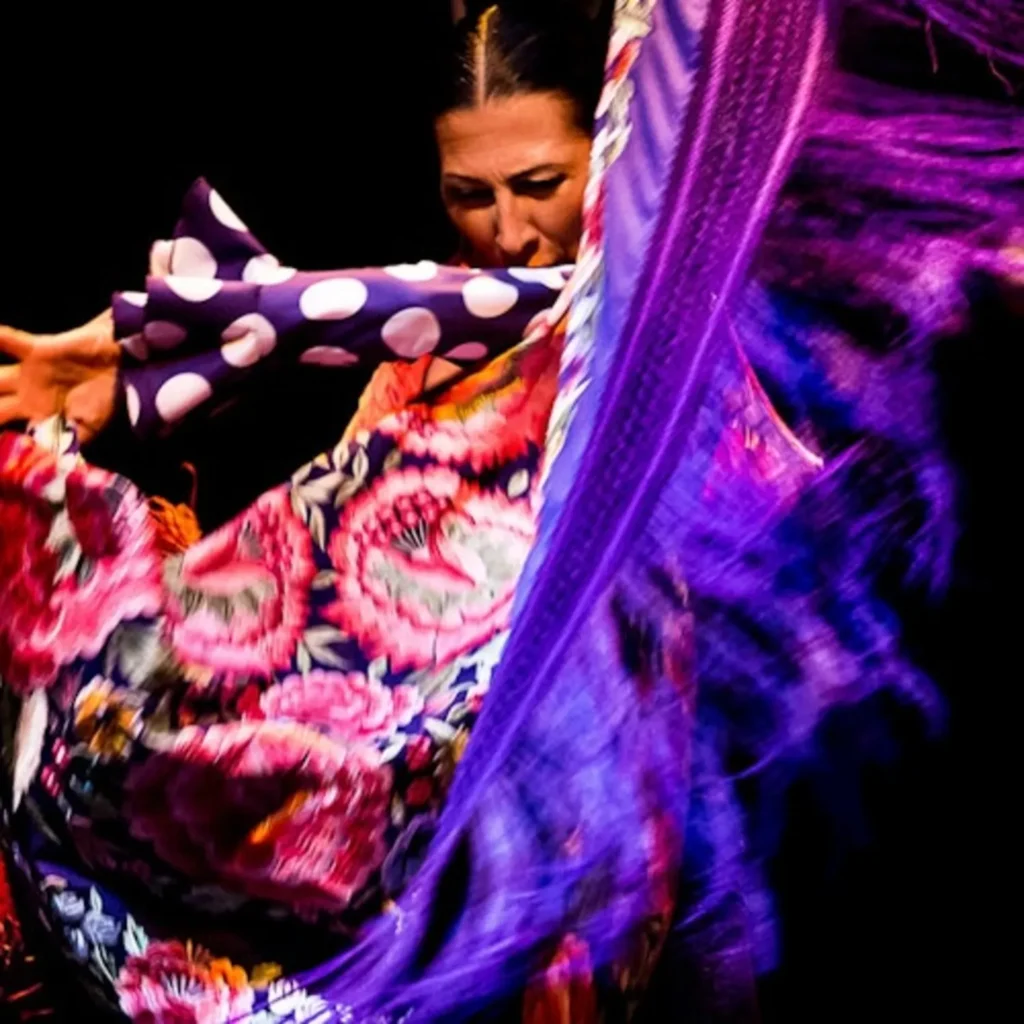
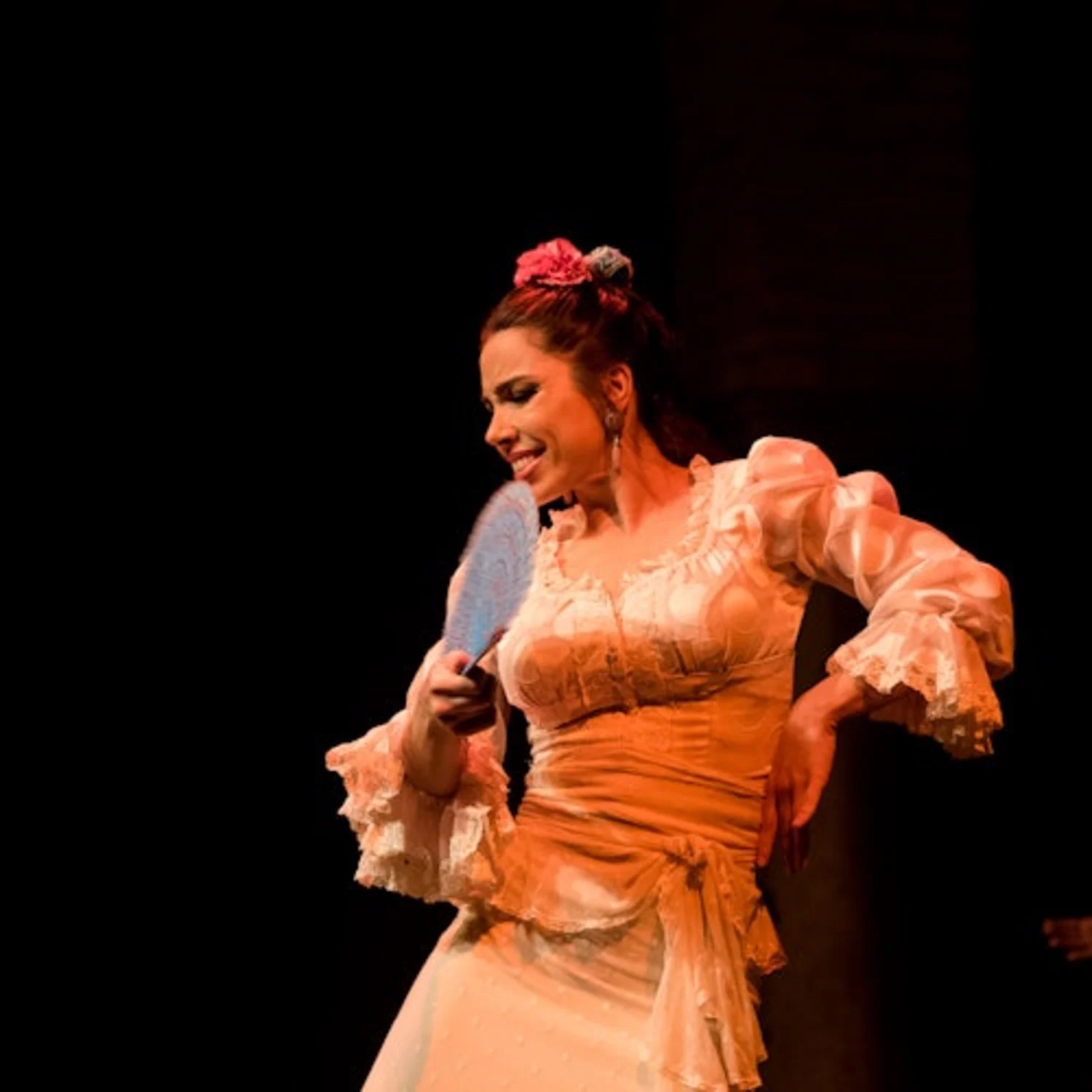
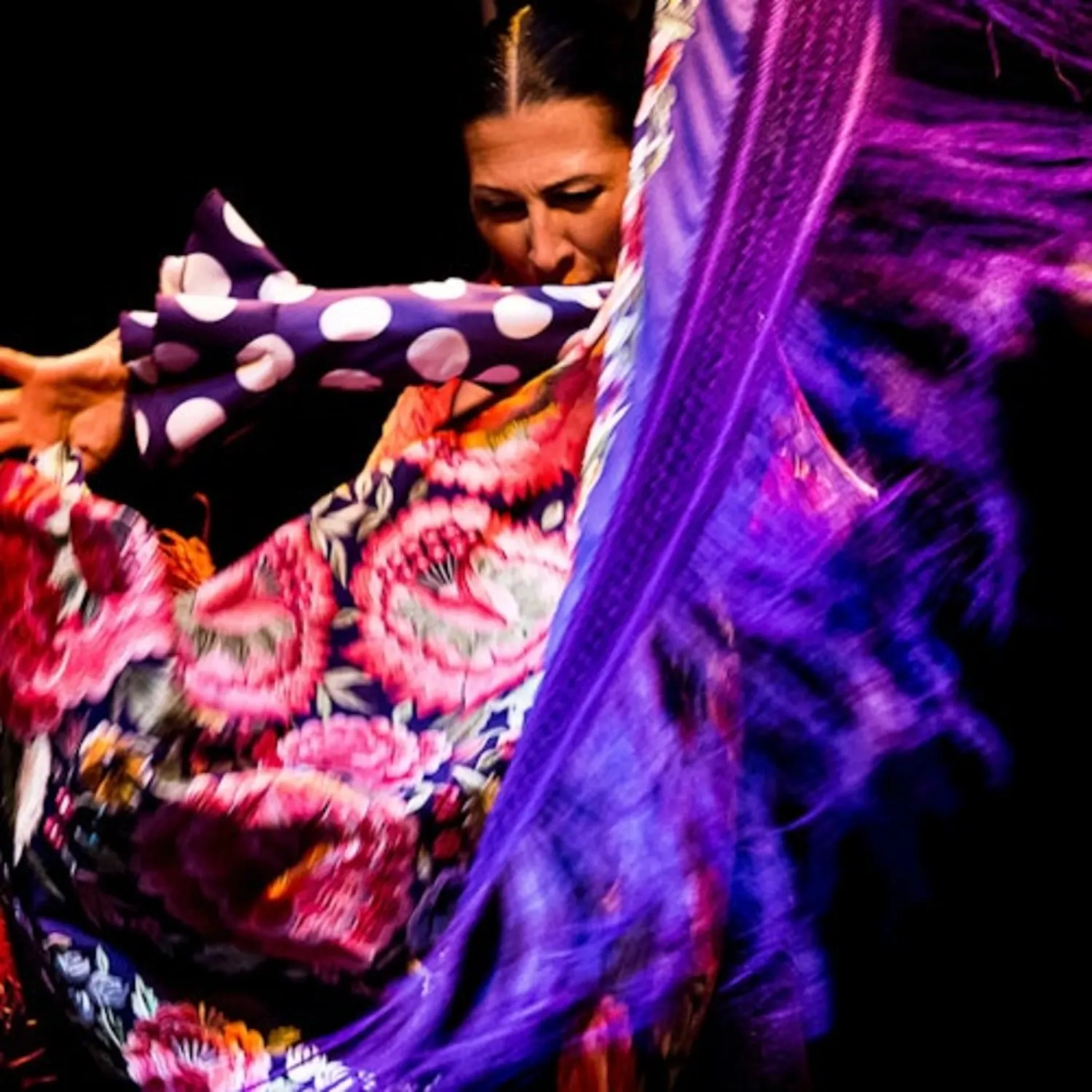
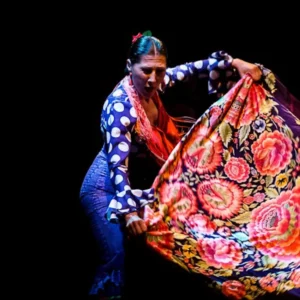
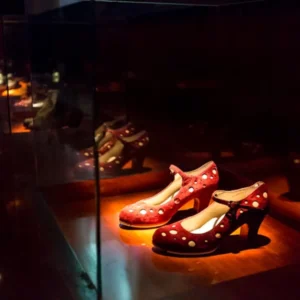
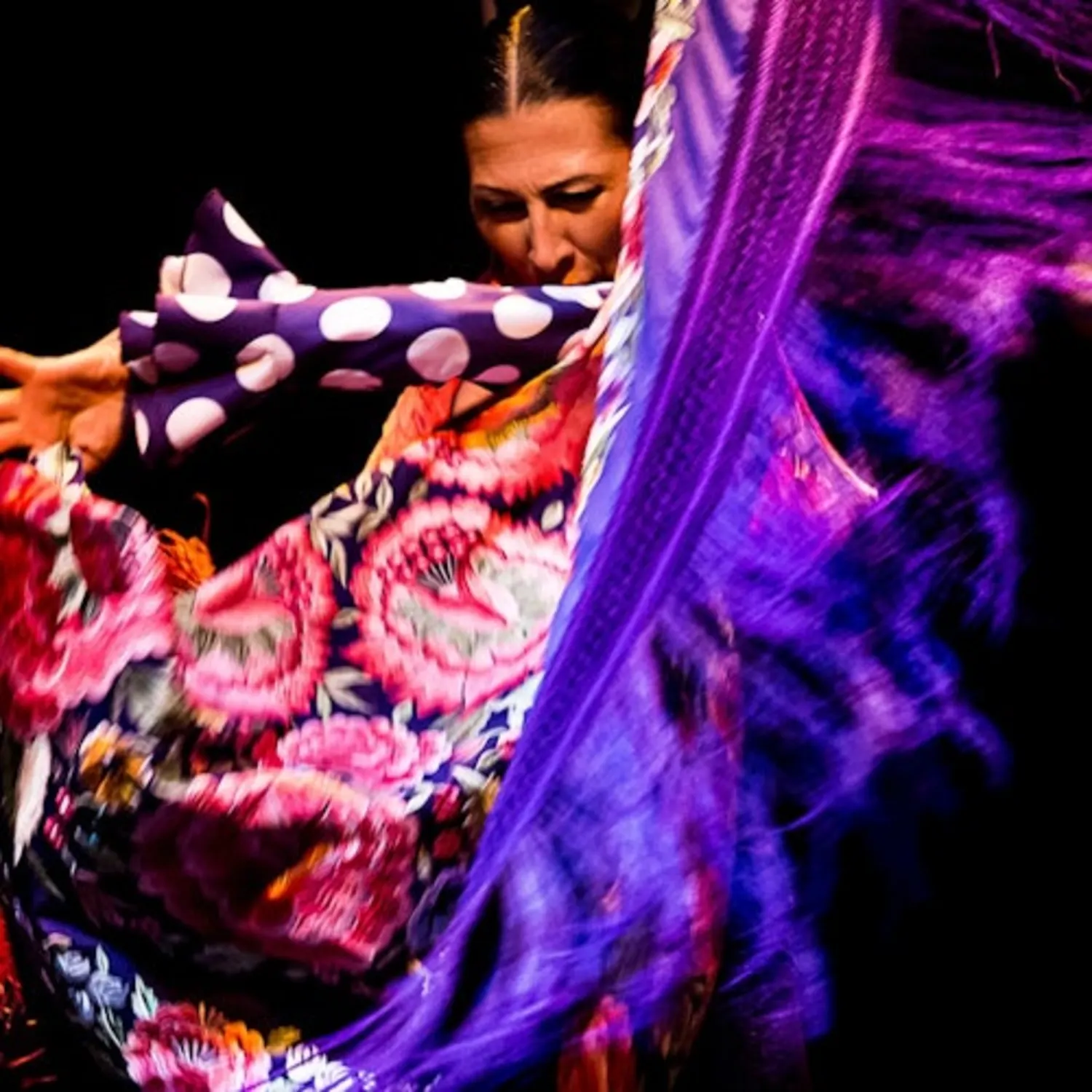
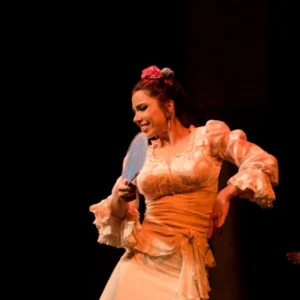
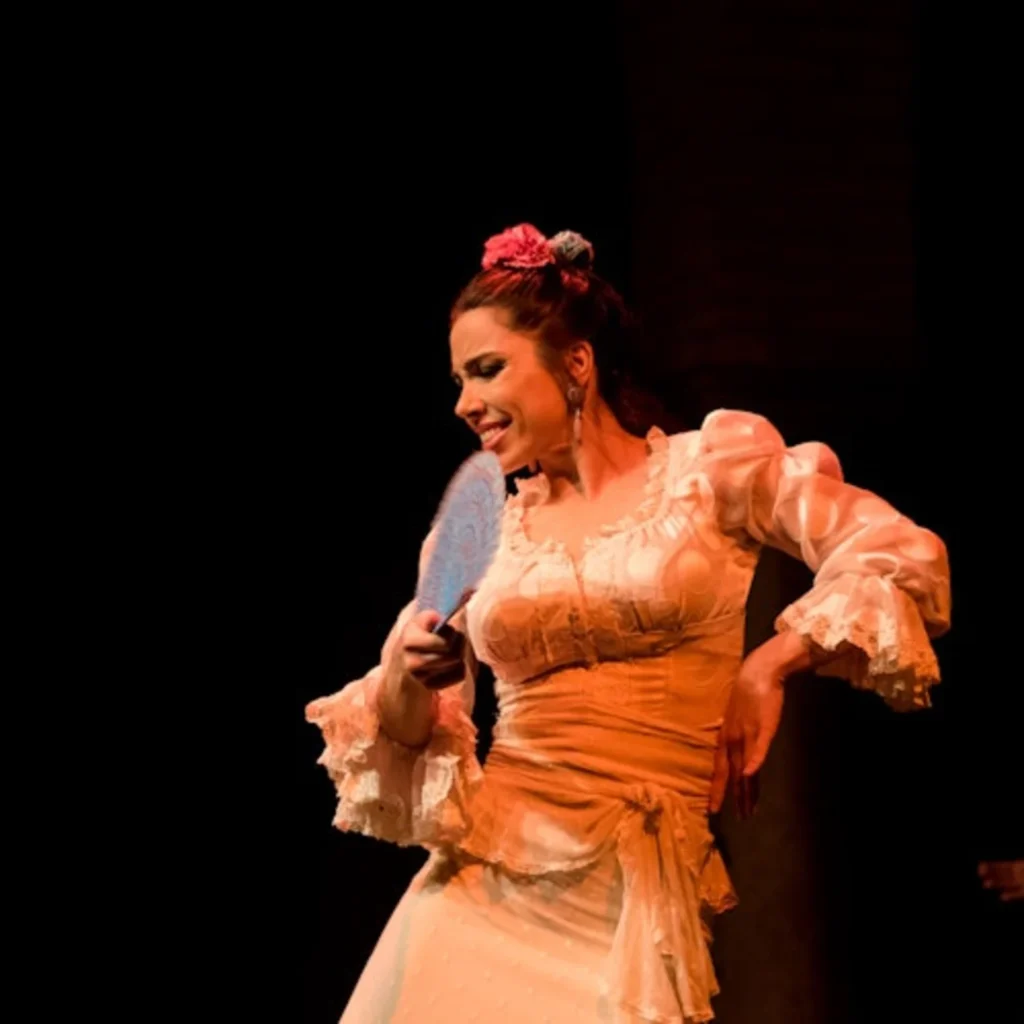
Witness the cultural richness of traditional costumes, castanets, and passionate rhythms.

Located atop an ancient Roman temple, offering a unique and intimate venue.
4.6
(8)

Flamenco Dance Museum: Entrance + Authentic Flamenco Show

Highlights

Discover the intense passion behind Sevillian Puro flamenco in a modern museum
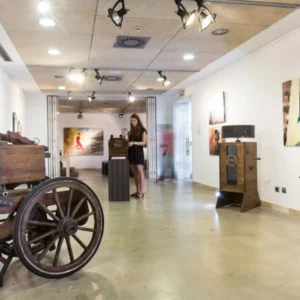
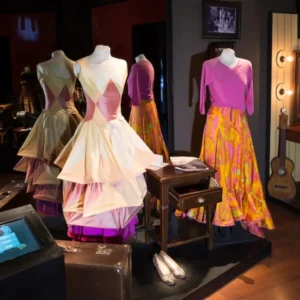
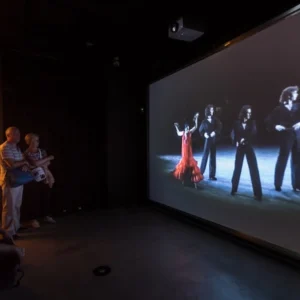
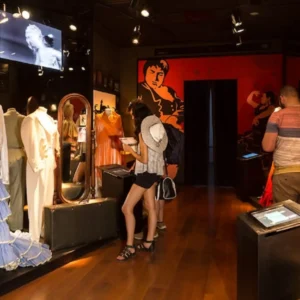
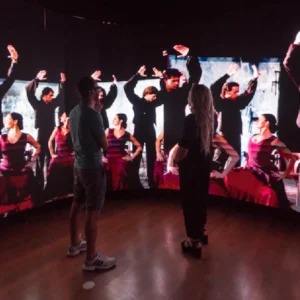
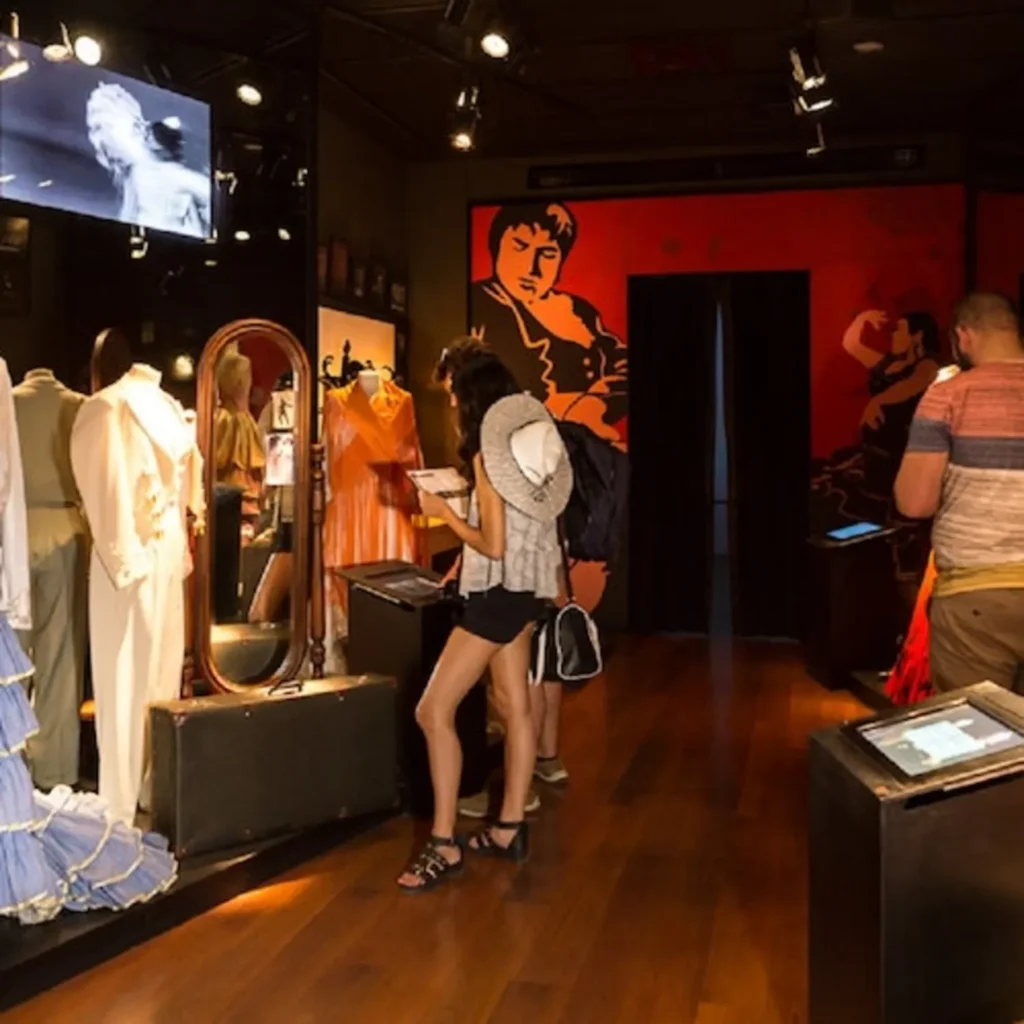
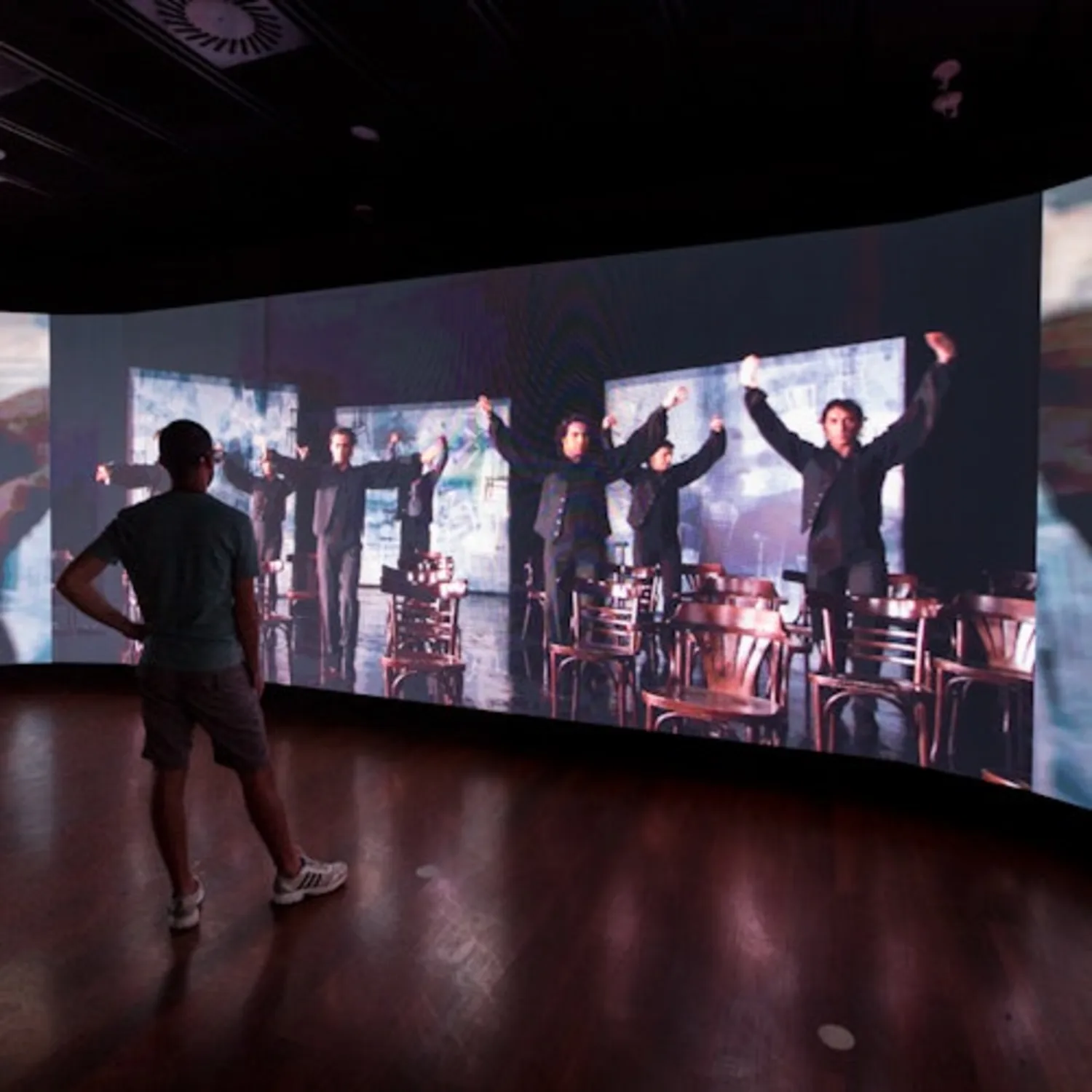
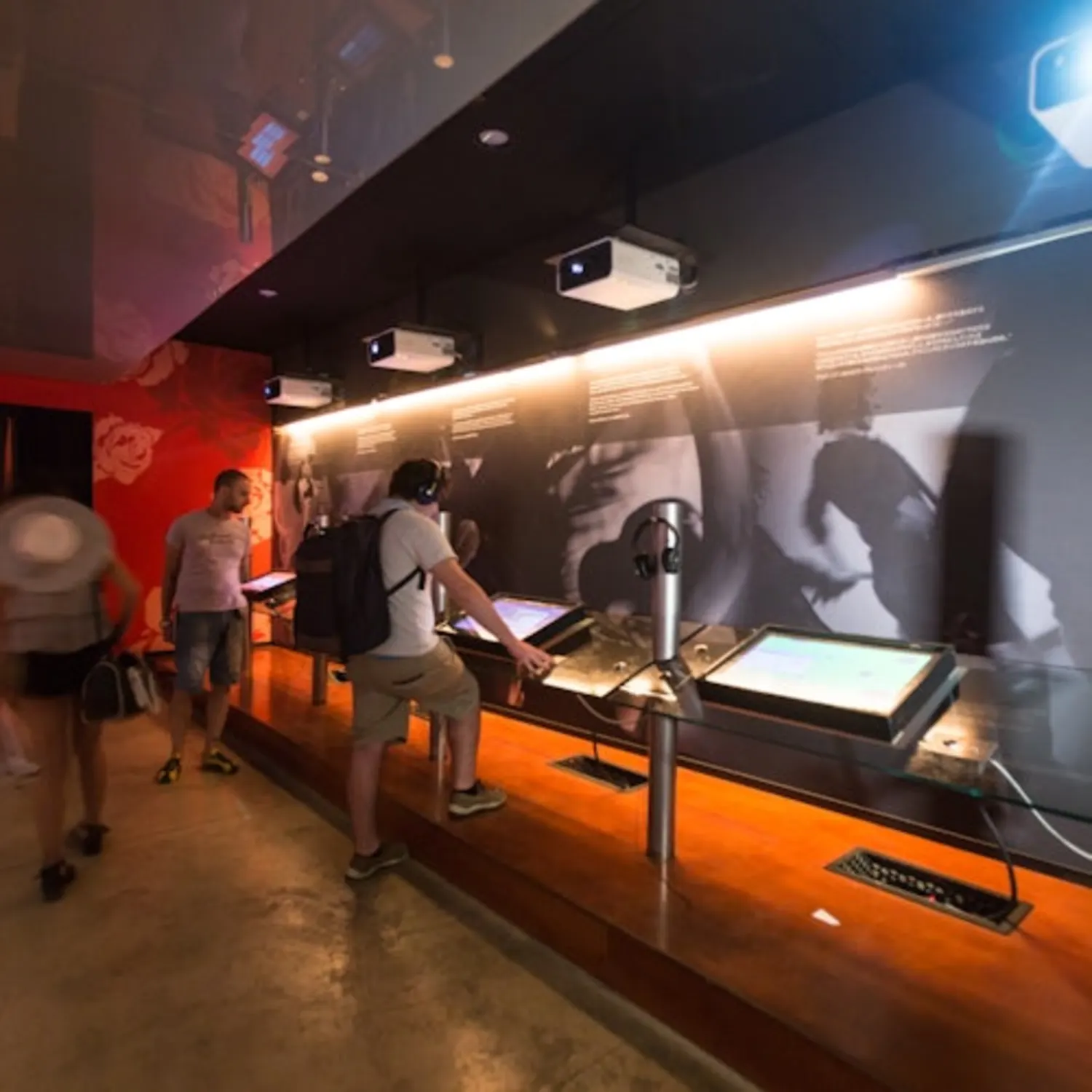
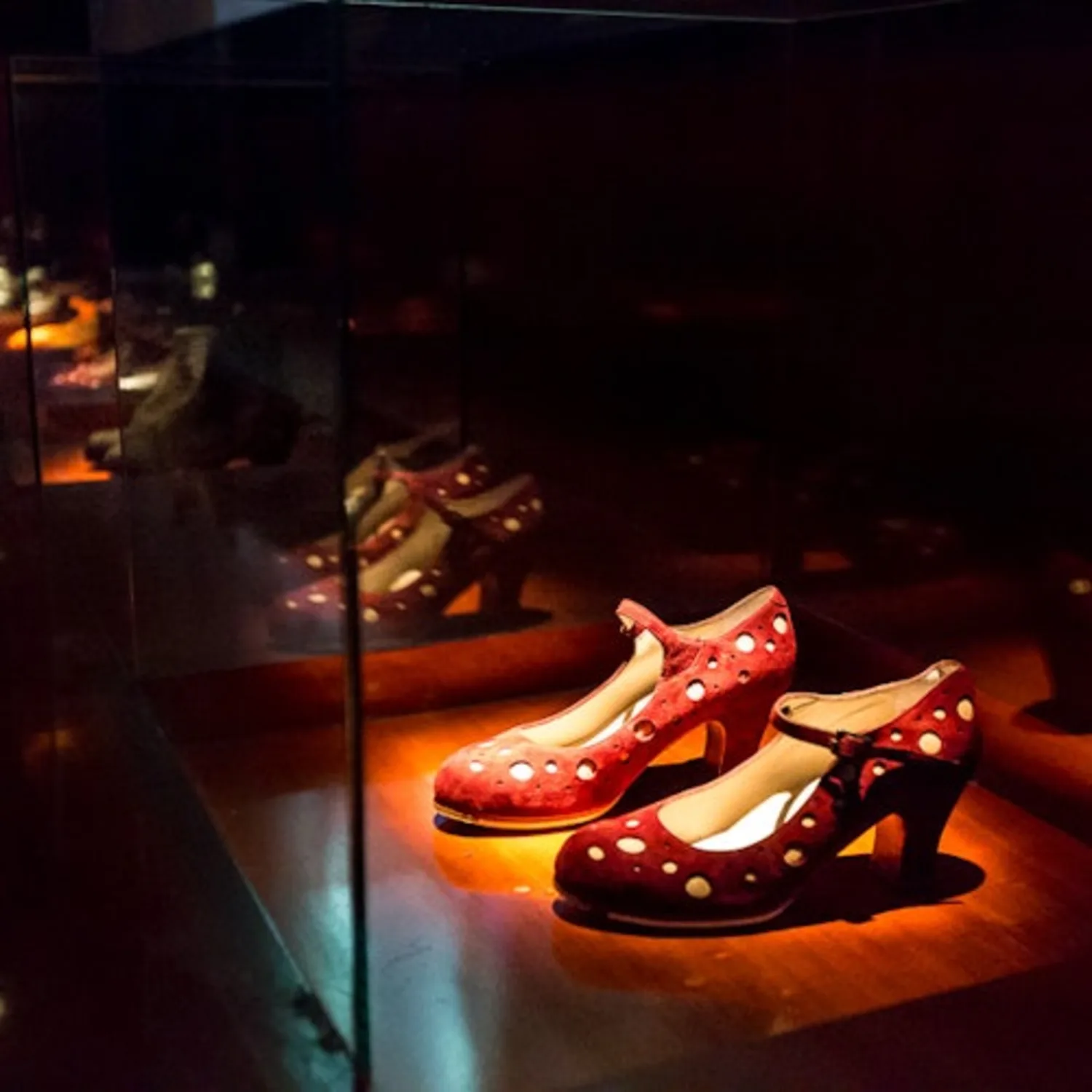
Engage with interactive displays showcasing the history and costumes of flamenco
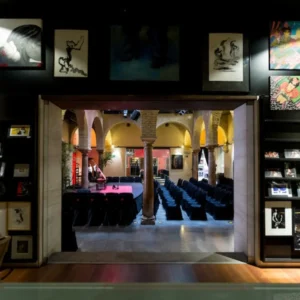
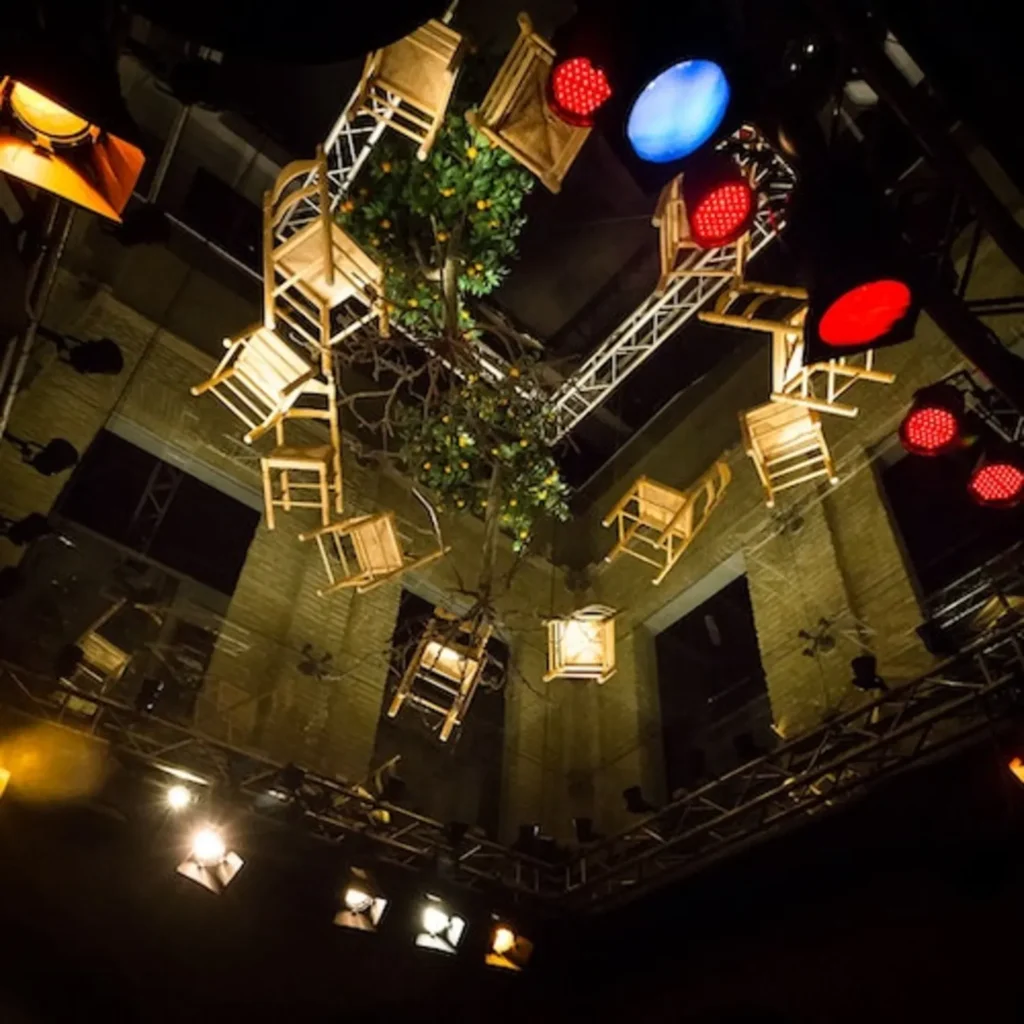
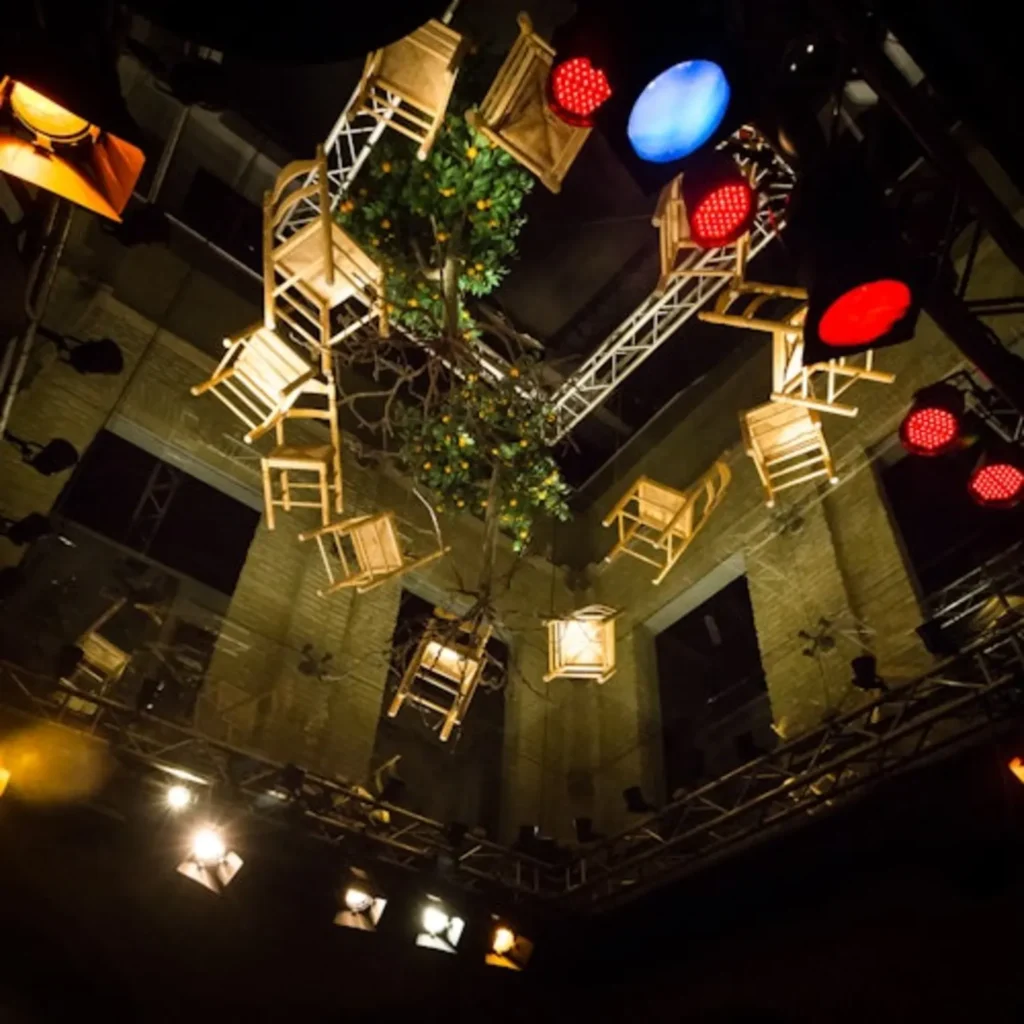
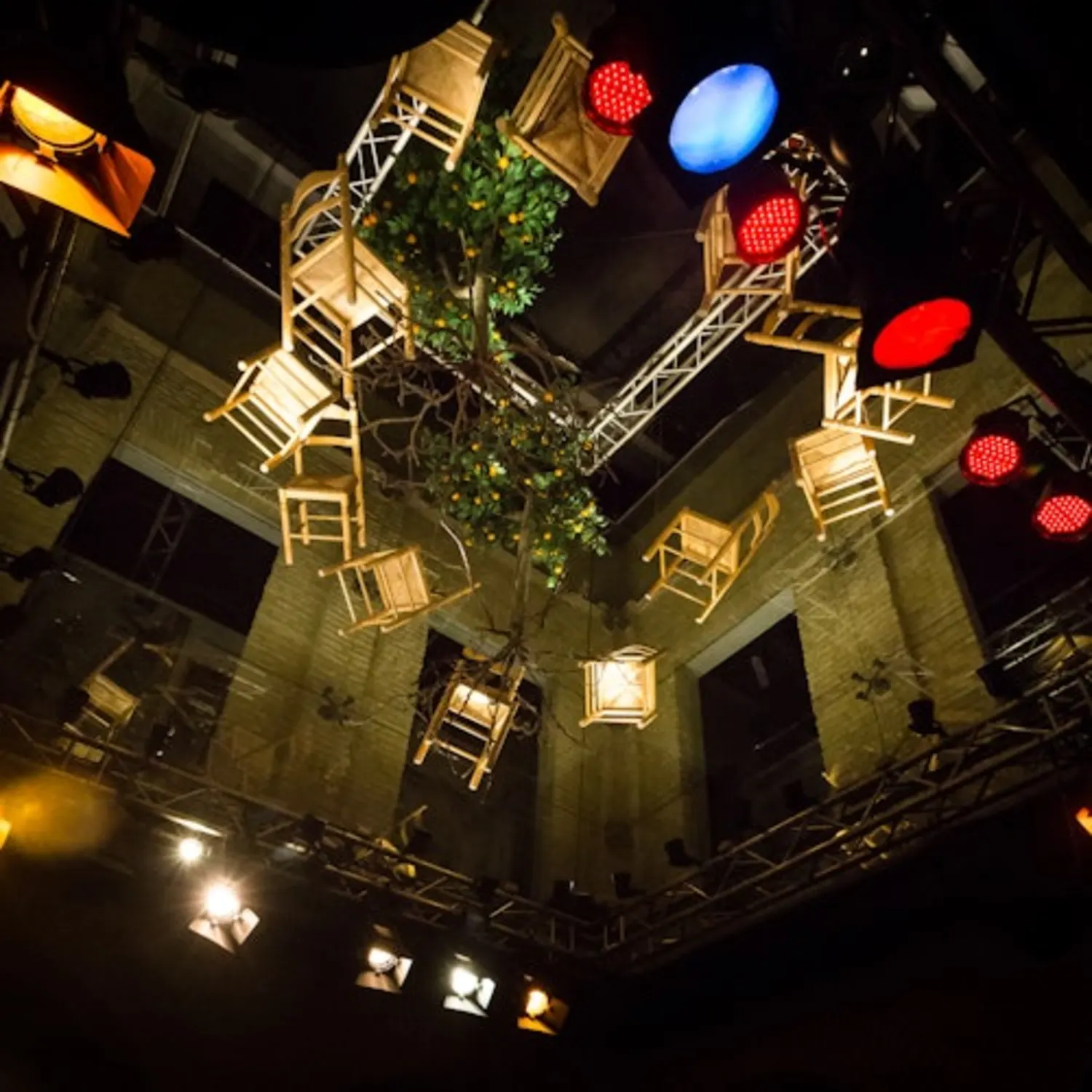
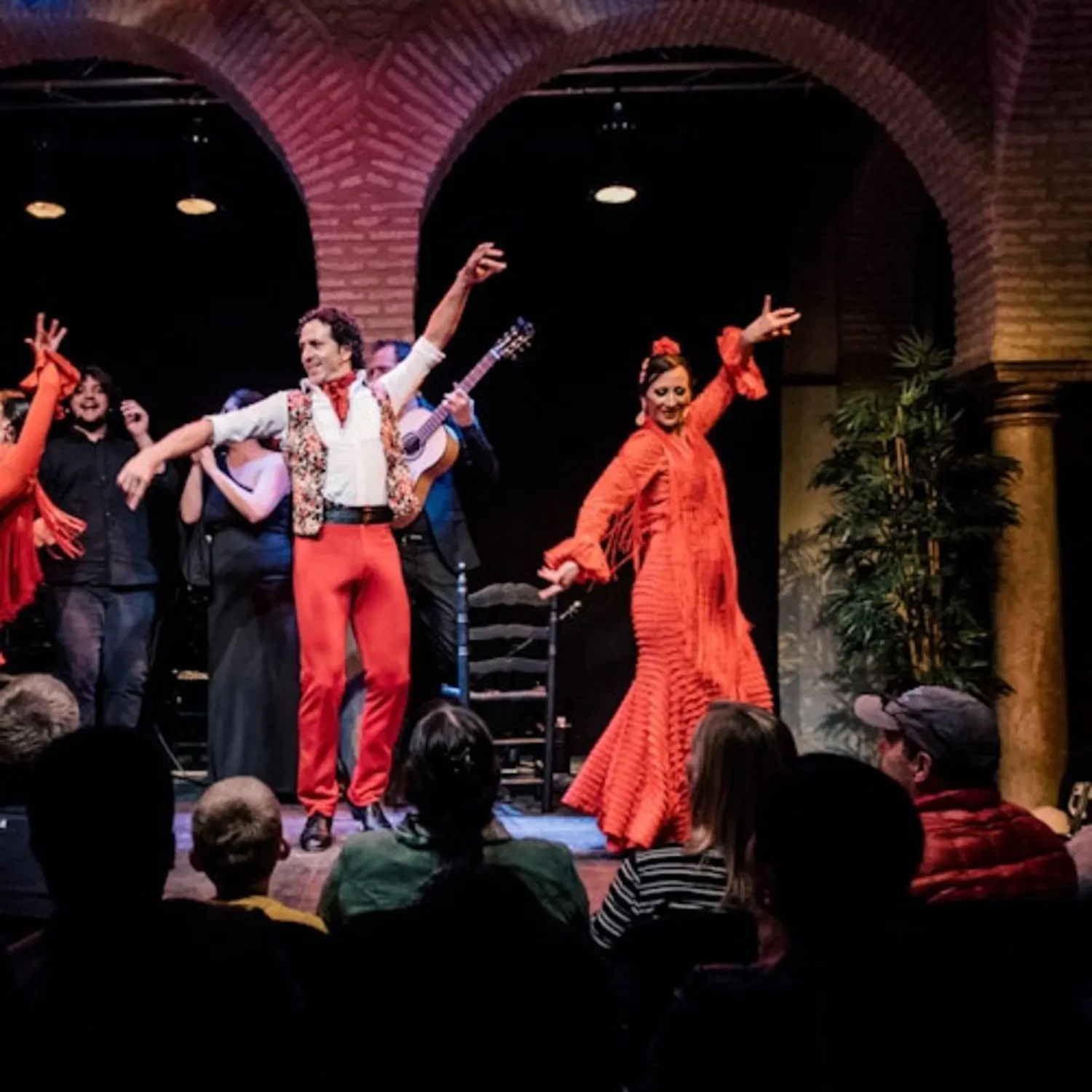
Witness a live, intimate flamenco show in a fragrant orange tree-lined courtyard
Enjoy a performance set in an 18th-century building built atop Roman temple ruins
Learn about Cristina Hoyos, one of flamenco’s greatest dancers, through immersive exhibits
4.7
(9)

Flamenco Dance Museum

Highlights

Explore the history and cultural impact of flamenco.

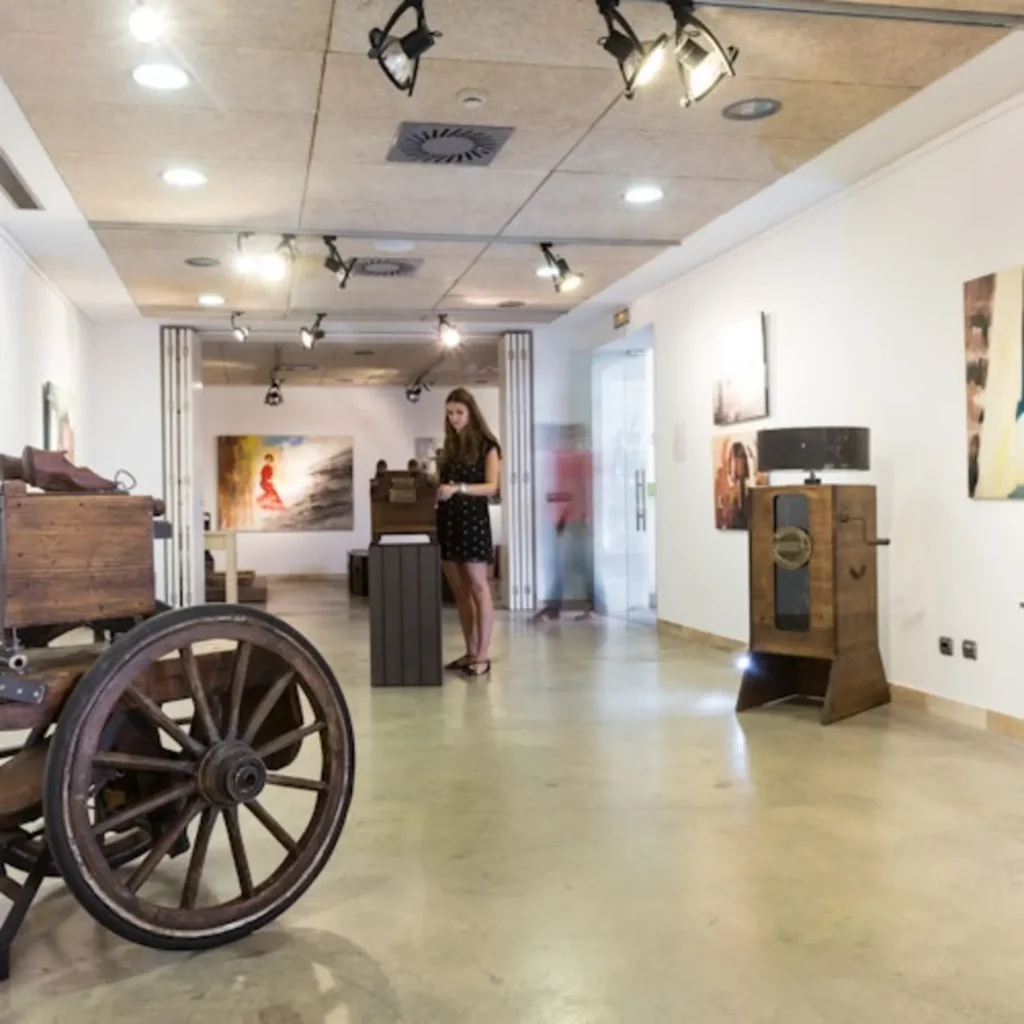
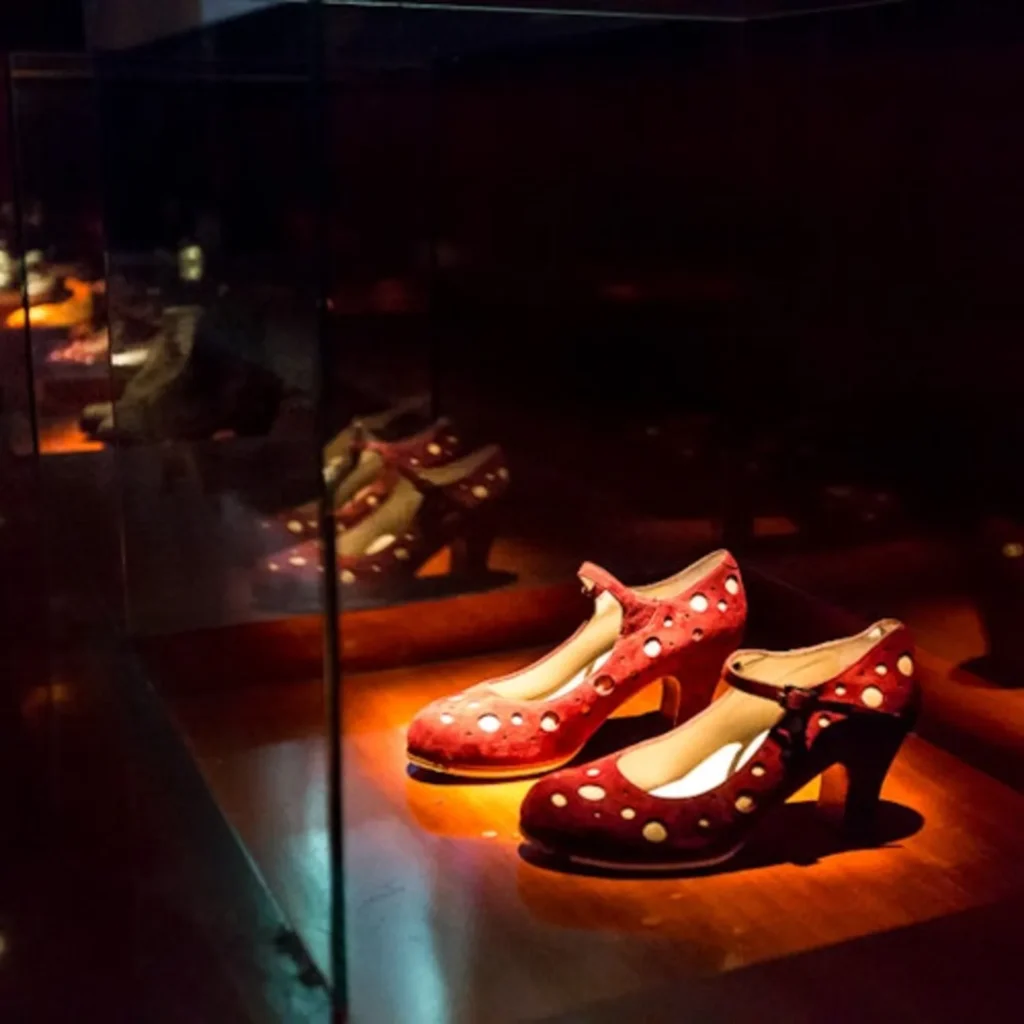
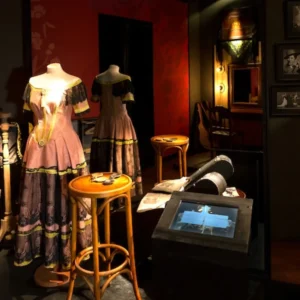
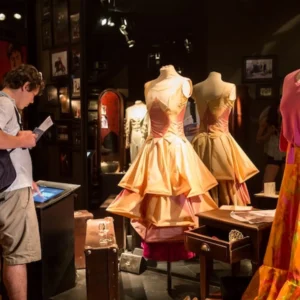
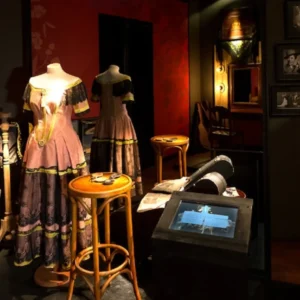
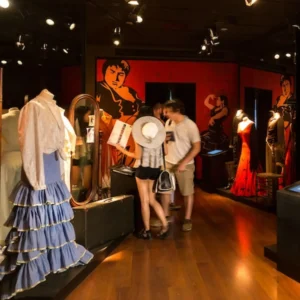
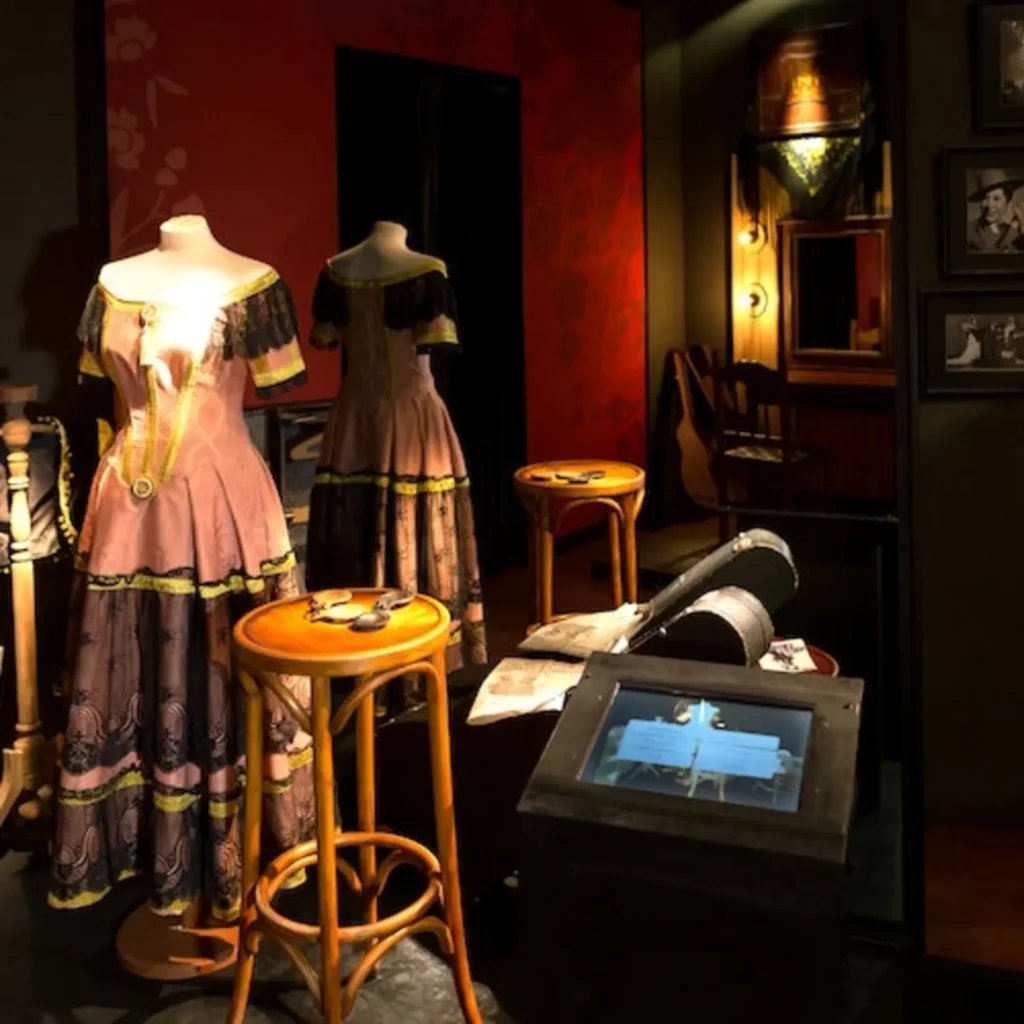
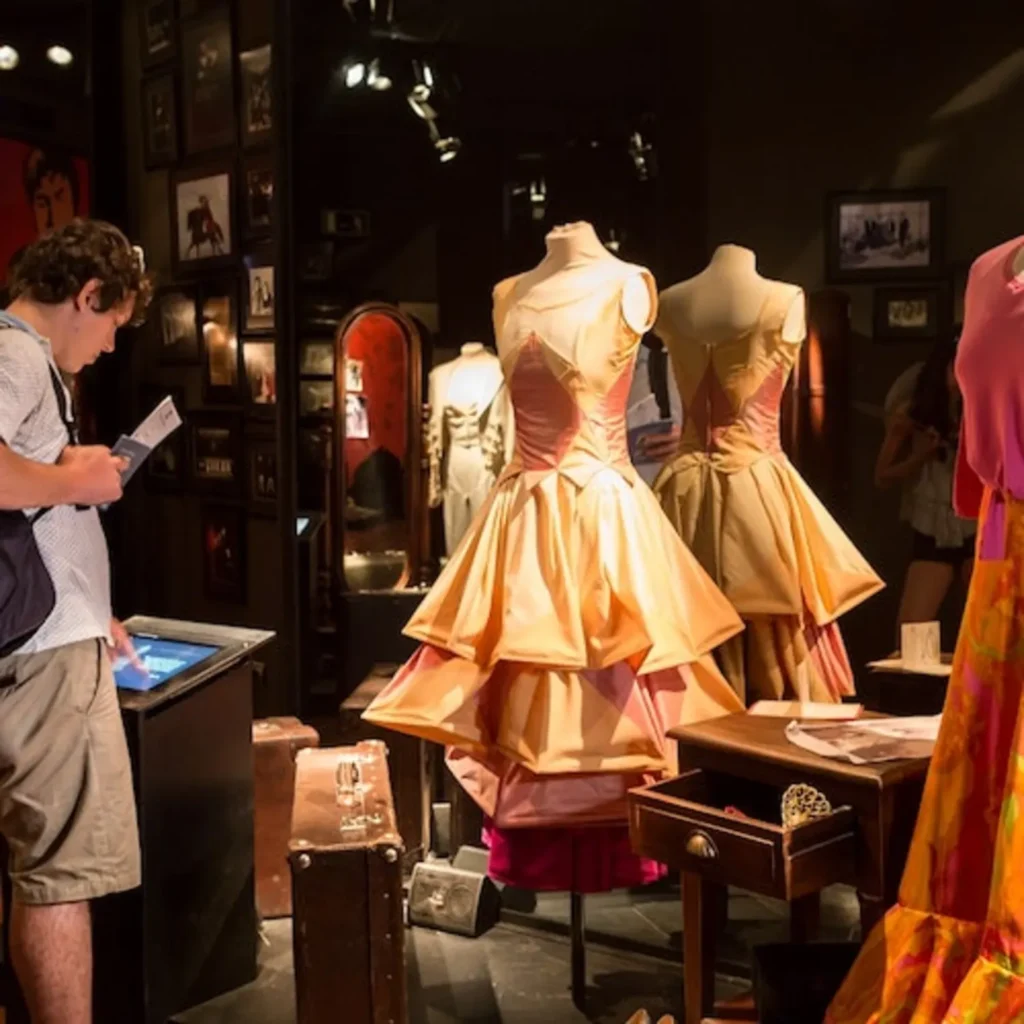
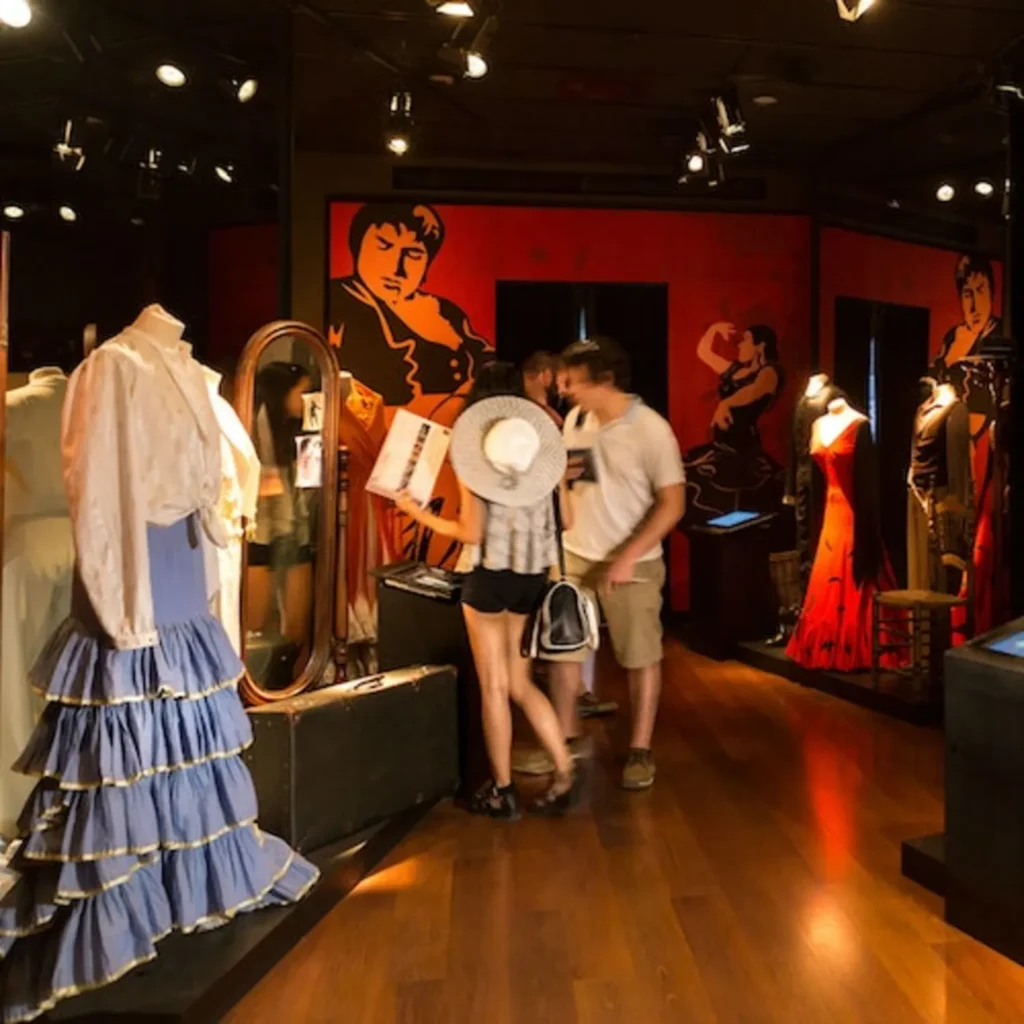
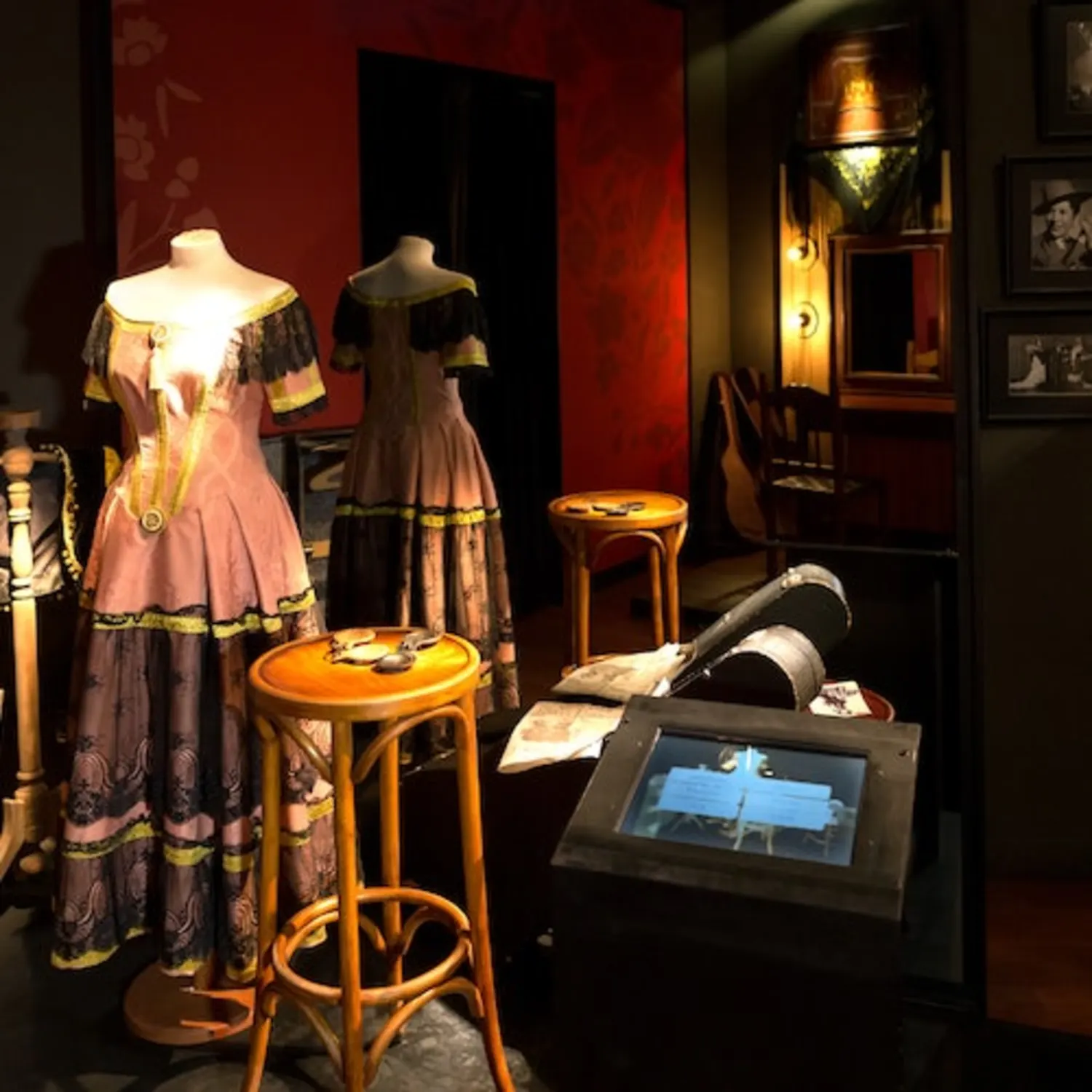
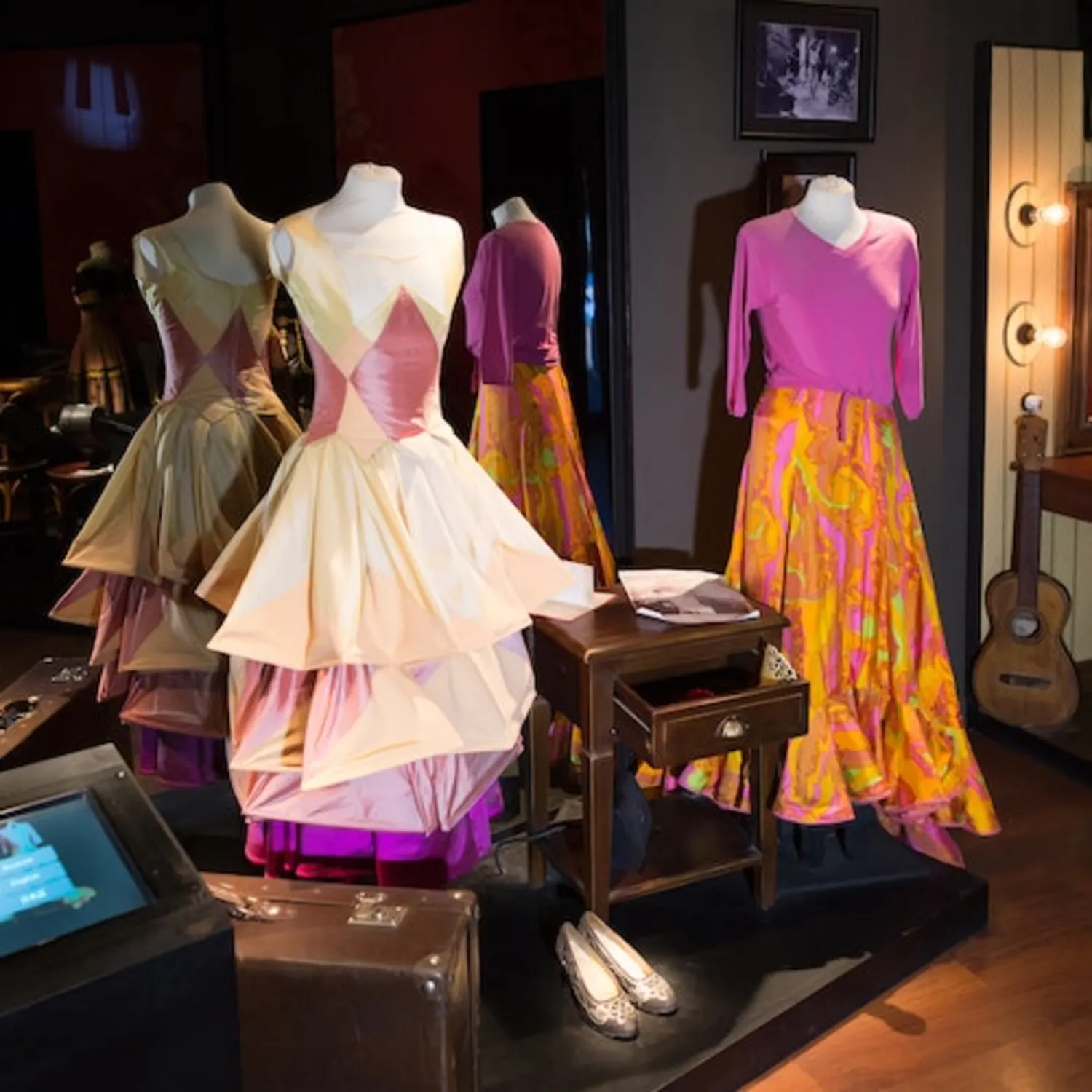
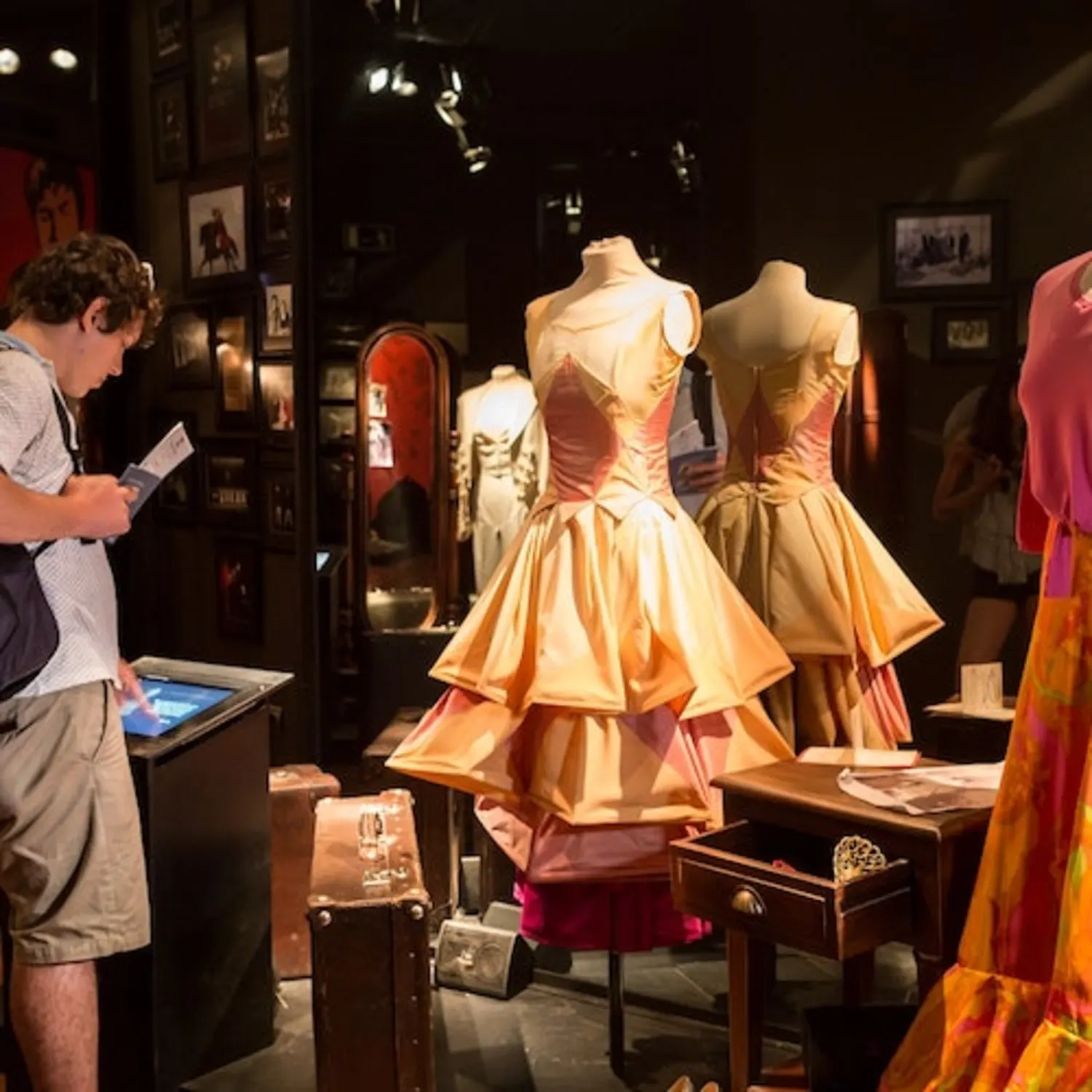
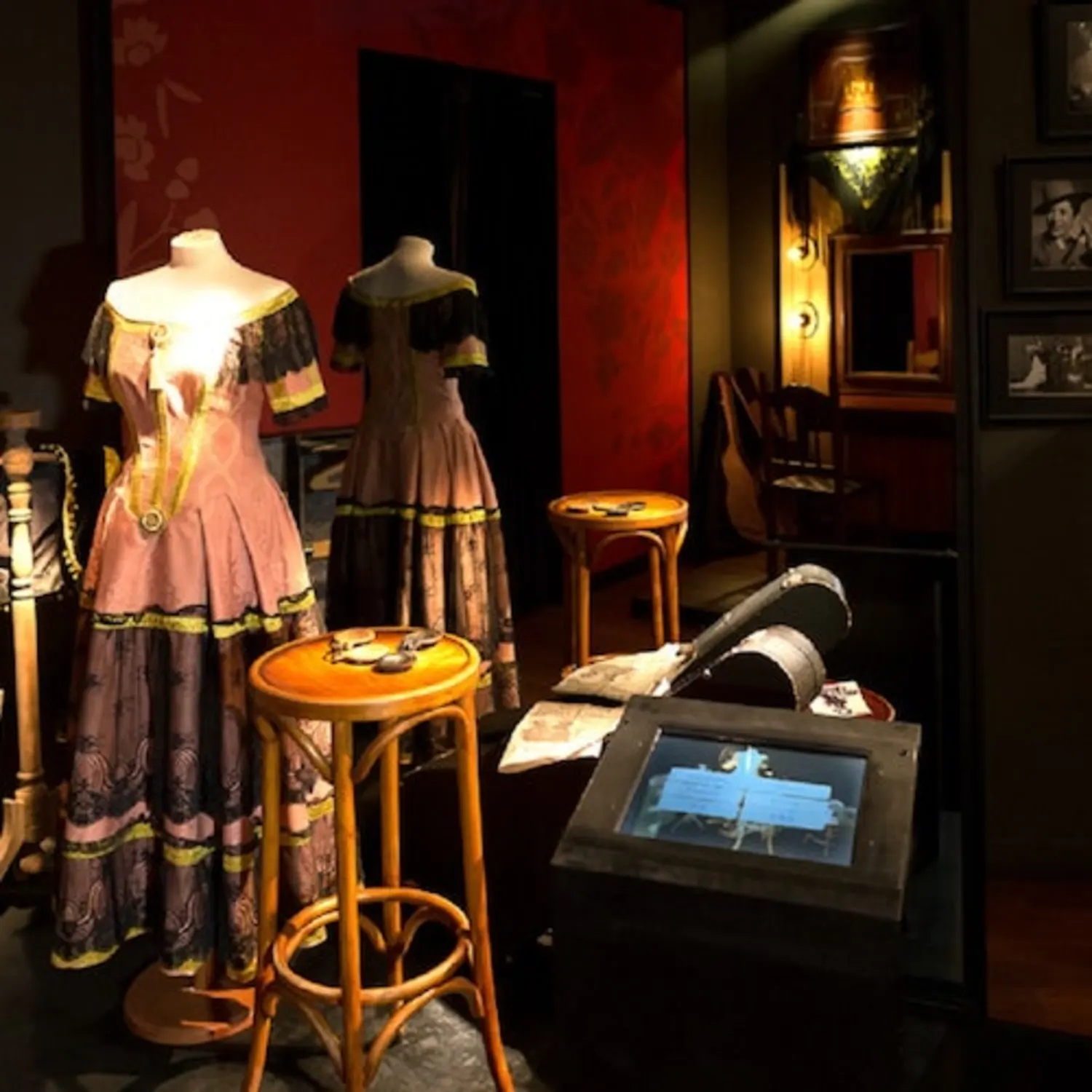
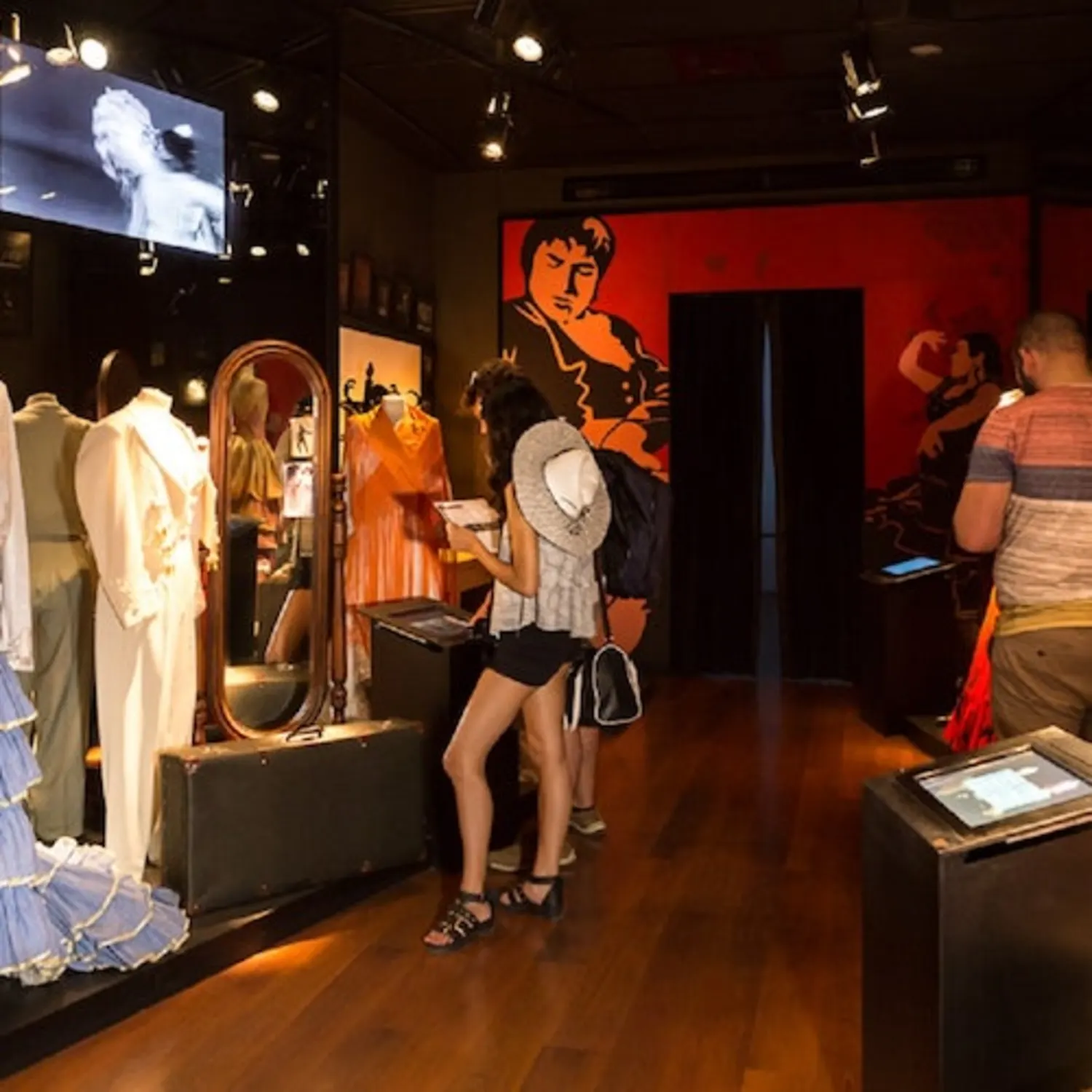
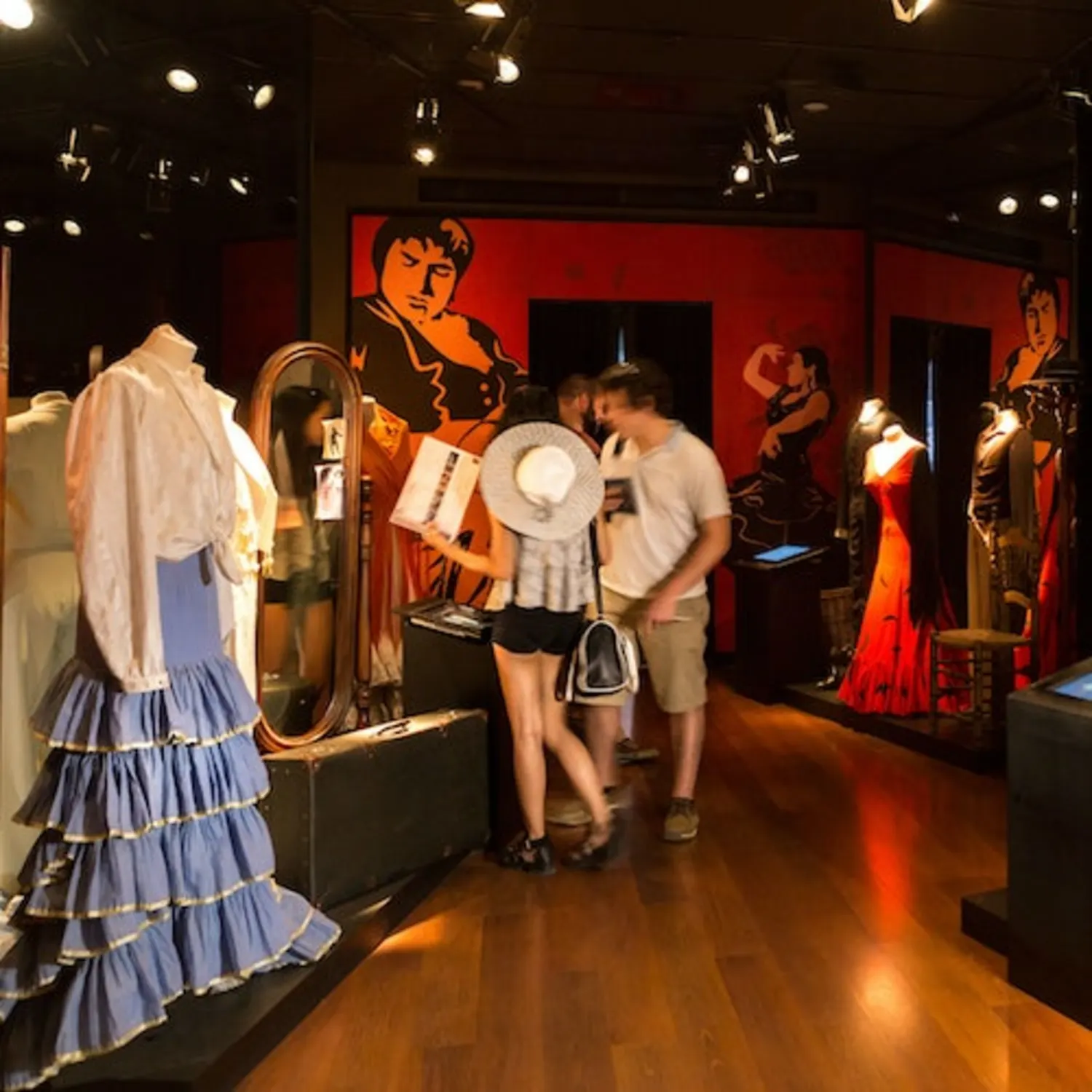
See authentic costumes, props, and multimedia displays.

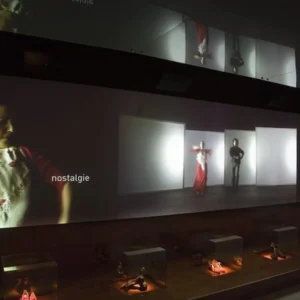
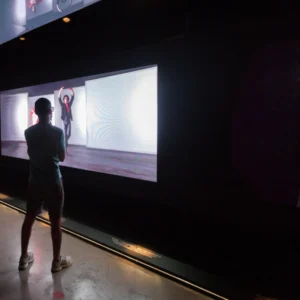
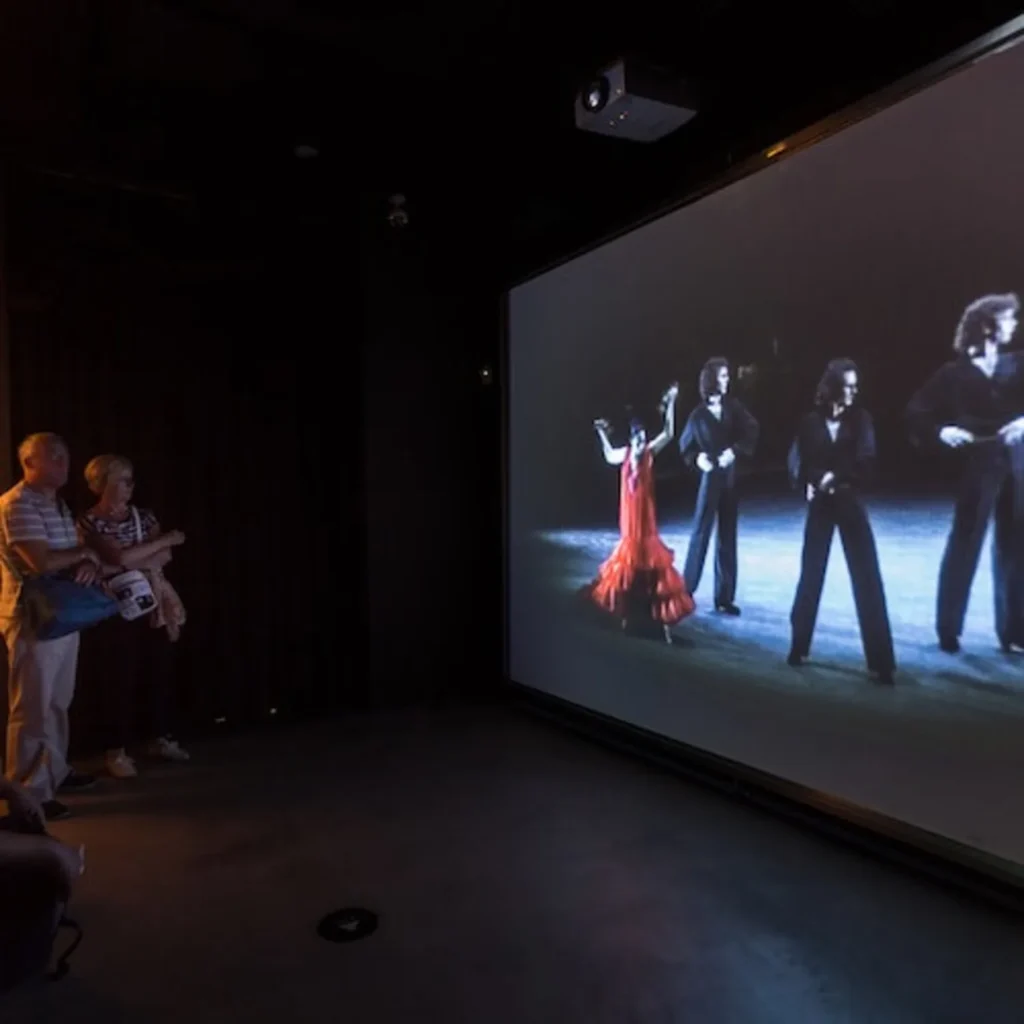
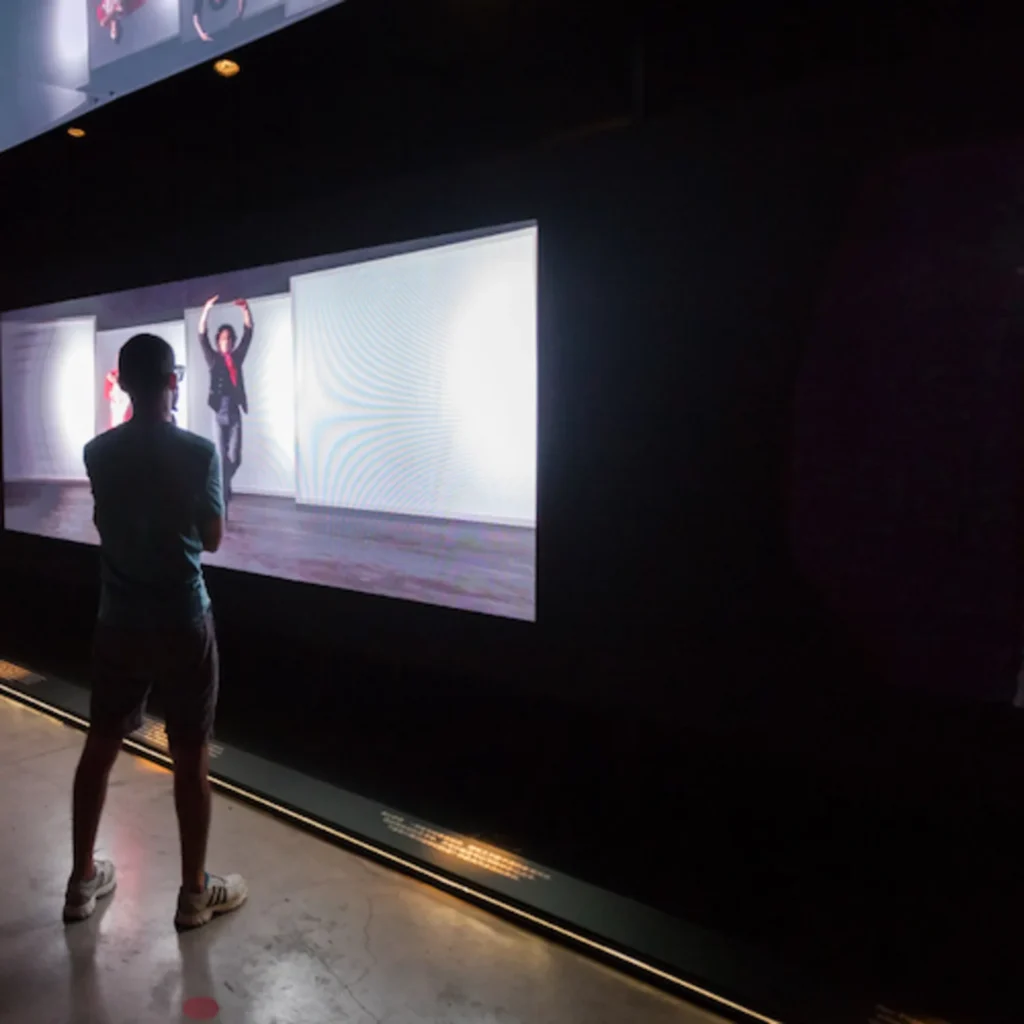
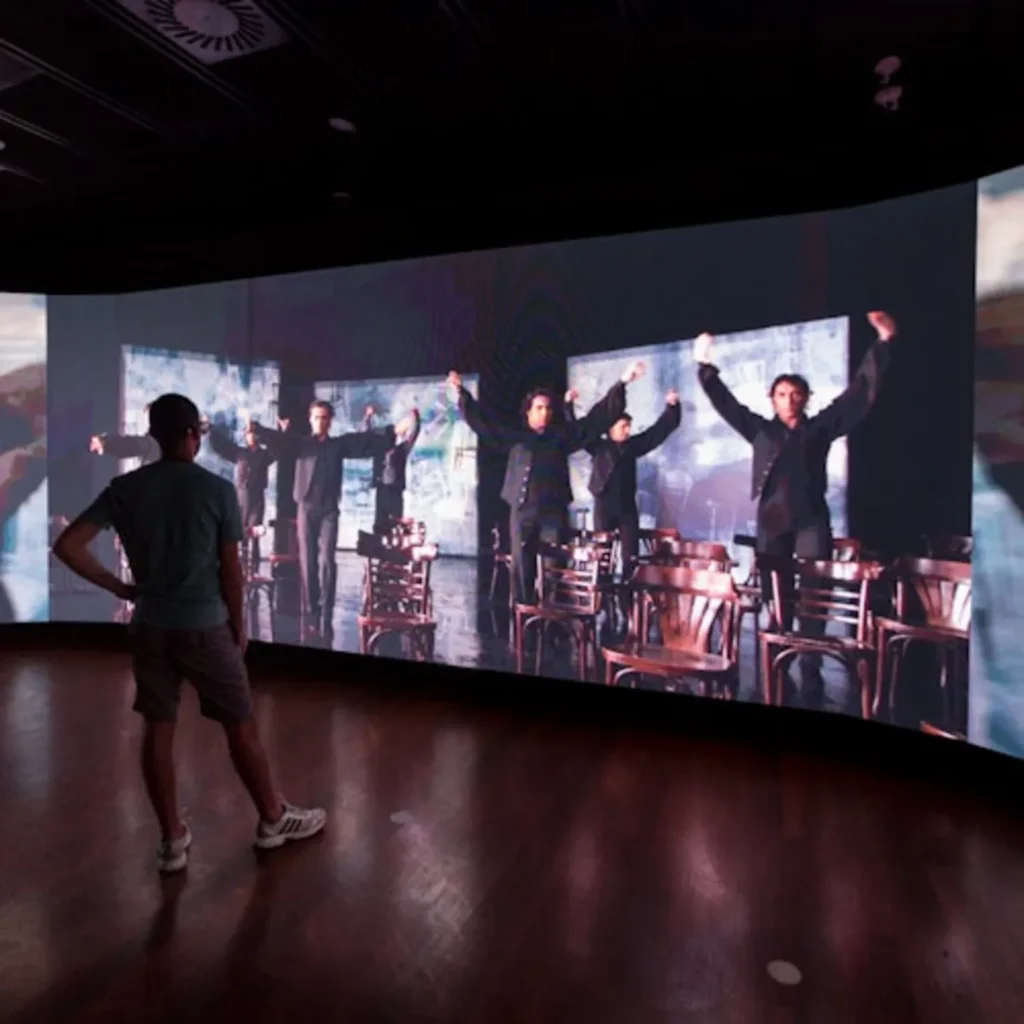
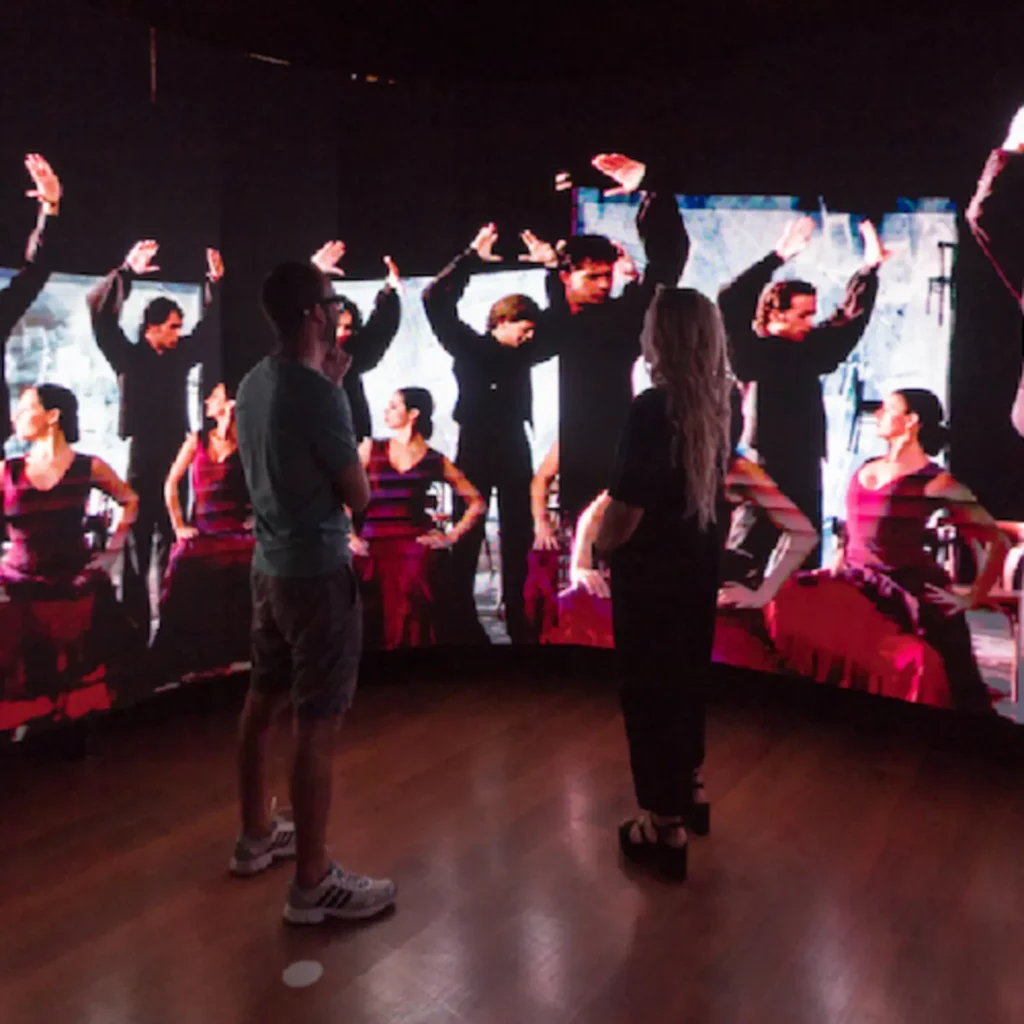
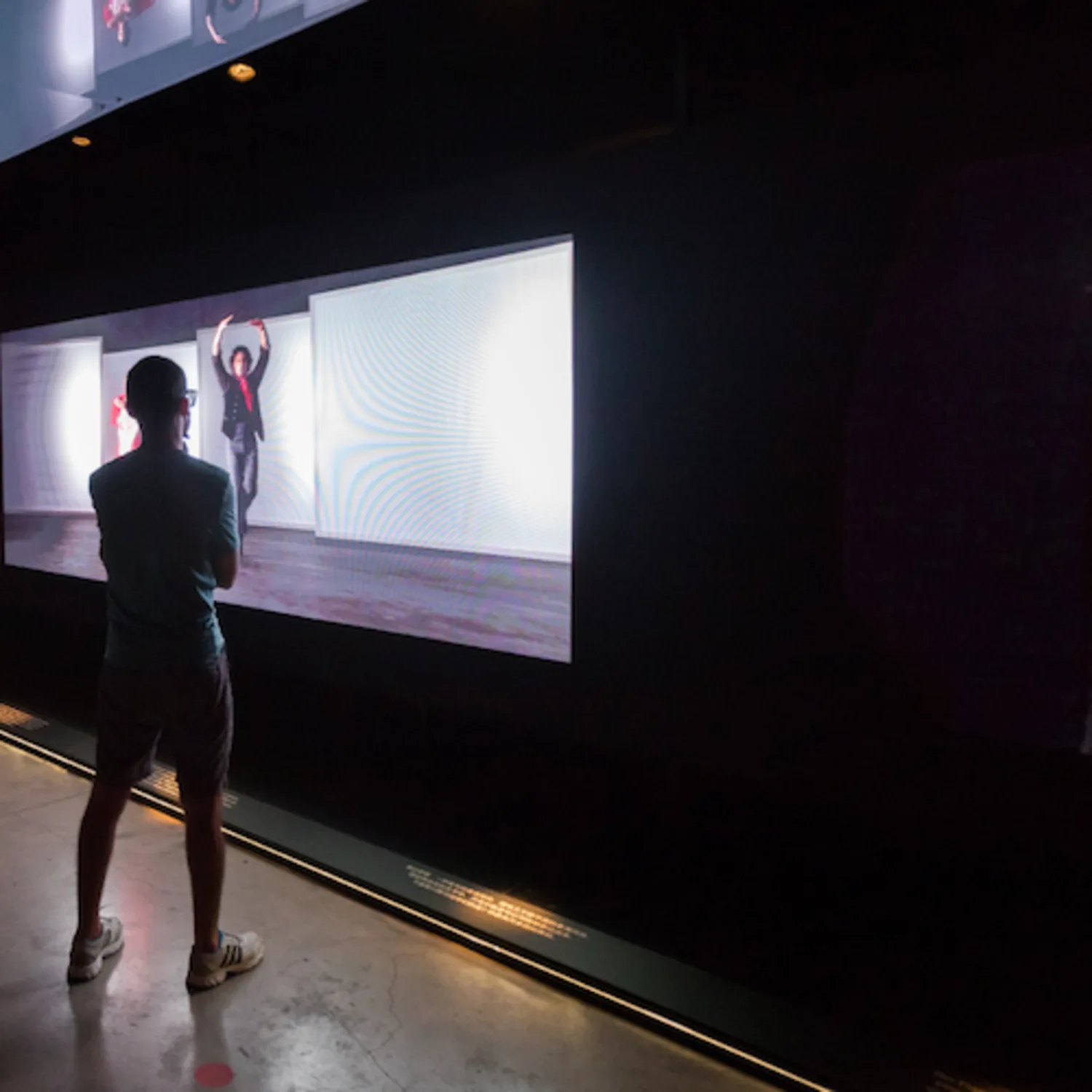
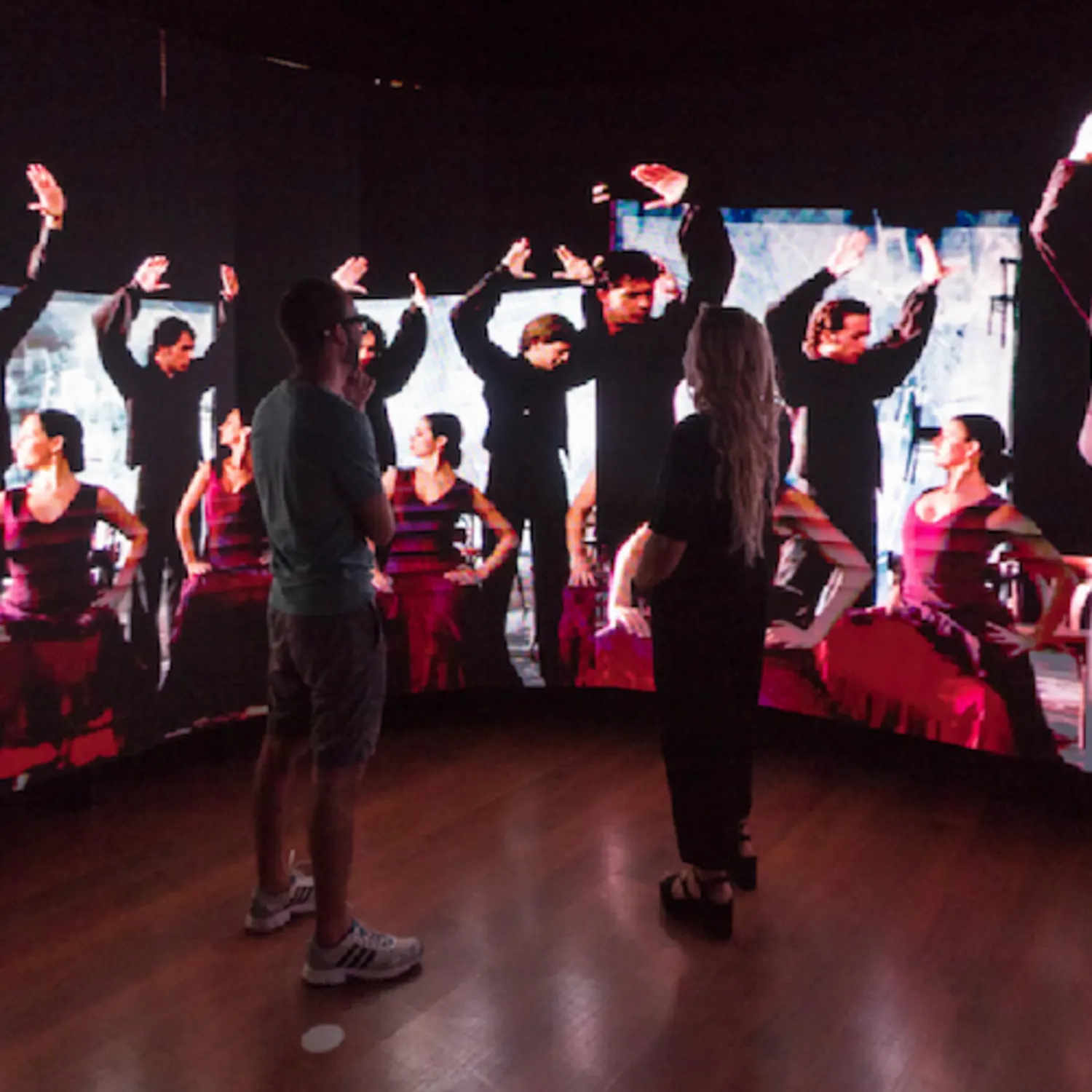
Experience interactive videos showcasing intricate flamenco footwork.

Visit a museum located in an 18th-century building atop ancient Roman ruins.

Enjoy a unique blend of tradition and modern technology that brings flamenco to life.

Good to Know Before Visiting the Flamenco Dance Museum

It is highly recommended to book your tickets in advance, as the intimate performance space frequently reaches capacity well before the show starts.

To ensure a good view of the stage, you should aim to arrive at the museum at least 20 minutes before the scheduled performance time.

If you have purchased a combined ticket, please allow yourself at least one hour before the show to properly explore the museum exhibits.

Photography and video recording are strictly prohibited during the live flamenco performances to avoid distracting the artists and other audience members.

The museum galleries and the performance courtyard are fully climate-controlled, providing a comfortable environment regardless of the outdoor temperature.

Visitors should be aware that the museum is located in a pedestrianized area of the historic center where taxi and car access is restricted.

While there is no formal dress code, most attendees opt for smart-casual attire in keeping with the cultural nature of the venue.

The performances are held in an enclosed courtyard with an authentic atmosphere that can be quite loud due to the percussive nature of the footwork.

Children are welcome at both the museum and the shows, but they must be supervised at all times to maintain a respectful environment for the performers.

Please note that the museum is housed in an 18th-century building, so some doorways and corridors are narrower than those in modern constructions.

Essential Visitor Info

The museum is open for visits between 11 AM and 6:45 PM (last entry at 6 PM), except for the first Monday of each month when the museum opens at 2:30 PM.

Showtimes: 5 PM, 7 PM, and 8:45 PM.

It is recommended to arrive at least 15 minutes prior to the start of the show to secure your seat and settle into the courtyard atmosphere.

Address: Museo del Baile Flamenco Calle Manuel Rojas Marcos, 3 41004 Seville, Spain

The museum is situated in the heart of the Santa Cruz district, Seville’s historic Jewish quarter.

By Bus: Several bus lines serve the area surrounding the historic center. The most convenient stops include:

Plaza de la Encarnación (Laraña): Serviced by lines 27 and 32. This stop is approximately a 7-minute walk from the museum.

Menéndez Pelayo: Serviced by lines 1, 5, 21, and C4. From here, it is a short walk through the Santa Cruz neighborhood to reach the venue.

Plaza del Duque: Line 13 stops here, placing you about 10 minutes away on foot.

By Tram (Metro-Centro): The T1 tram line is an efficient way to reach the city center. The closest stops are Plaza Nueva and Archivo de Indias. Both stops are roughly an 8-minute walk from the museum, taking you past the Seville Cathedral and through the historic pedestrian zones.

By Metro: The nearest metro station is Puerta Jerez (Line 1). From the station, it is a 12 to 15-minute walk. This route is particularly scenic, as it guides you past the Royal Alcázar and the Cathedral.

Arrival by Car and Parking: Because the museum is located in a restricted traffic zone with very narrow streets, driving directly to the entrance is not possible for non-residents. If you are traveling by car, these are the public parking garages available nearby: Parking Cano y Cueto, Parking Imagen & Parking Cuesta del Rosario.

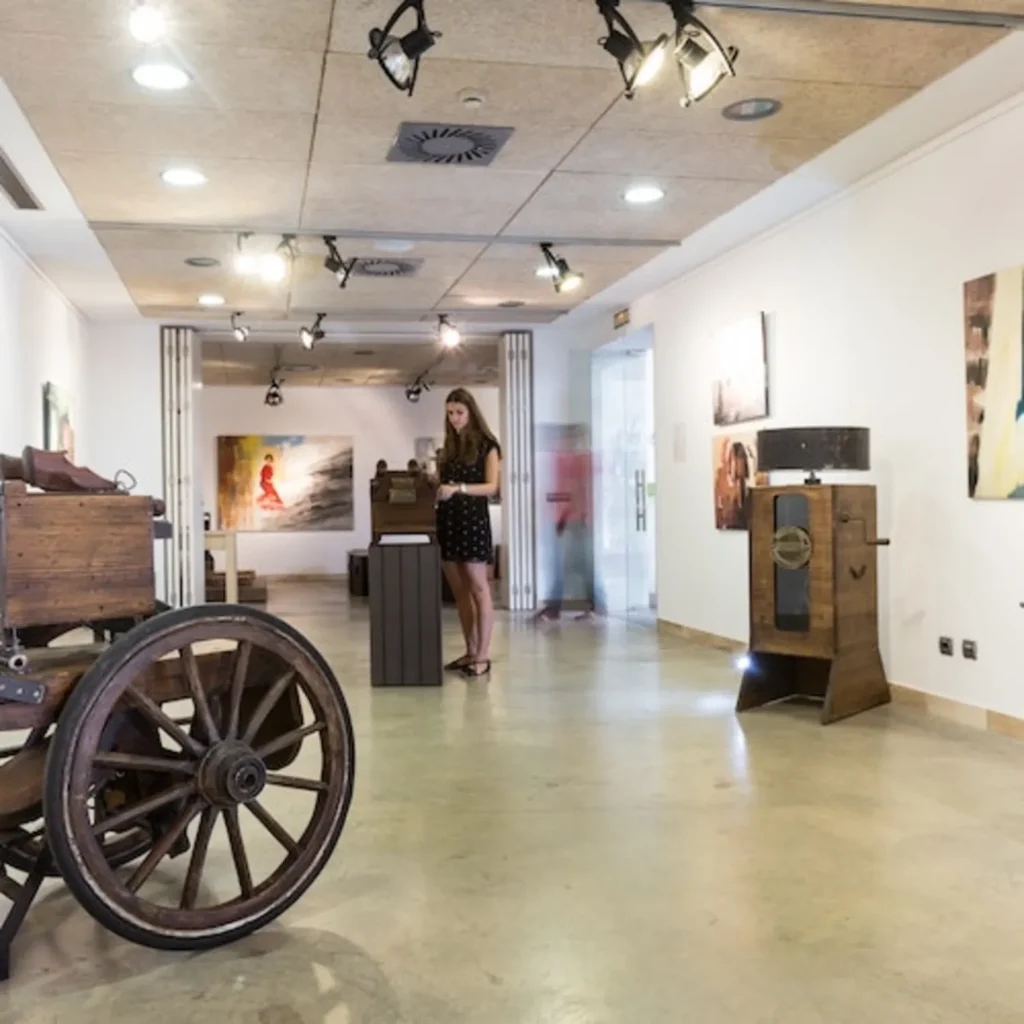
The Flamenco Dance Museum is housed in a renovated 18th-century building that balances historic charm with modern museum standards.

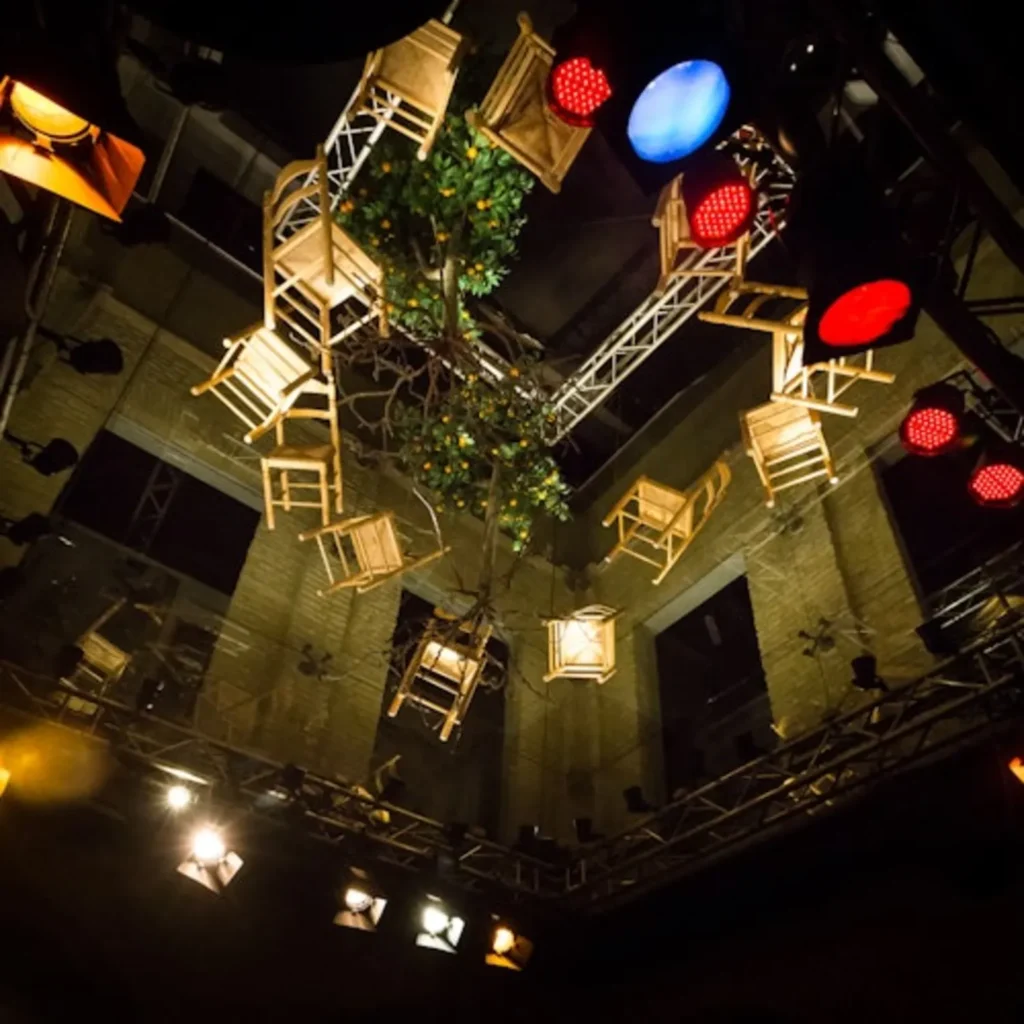
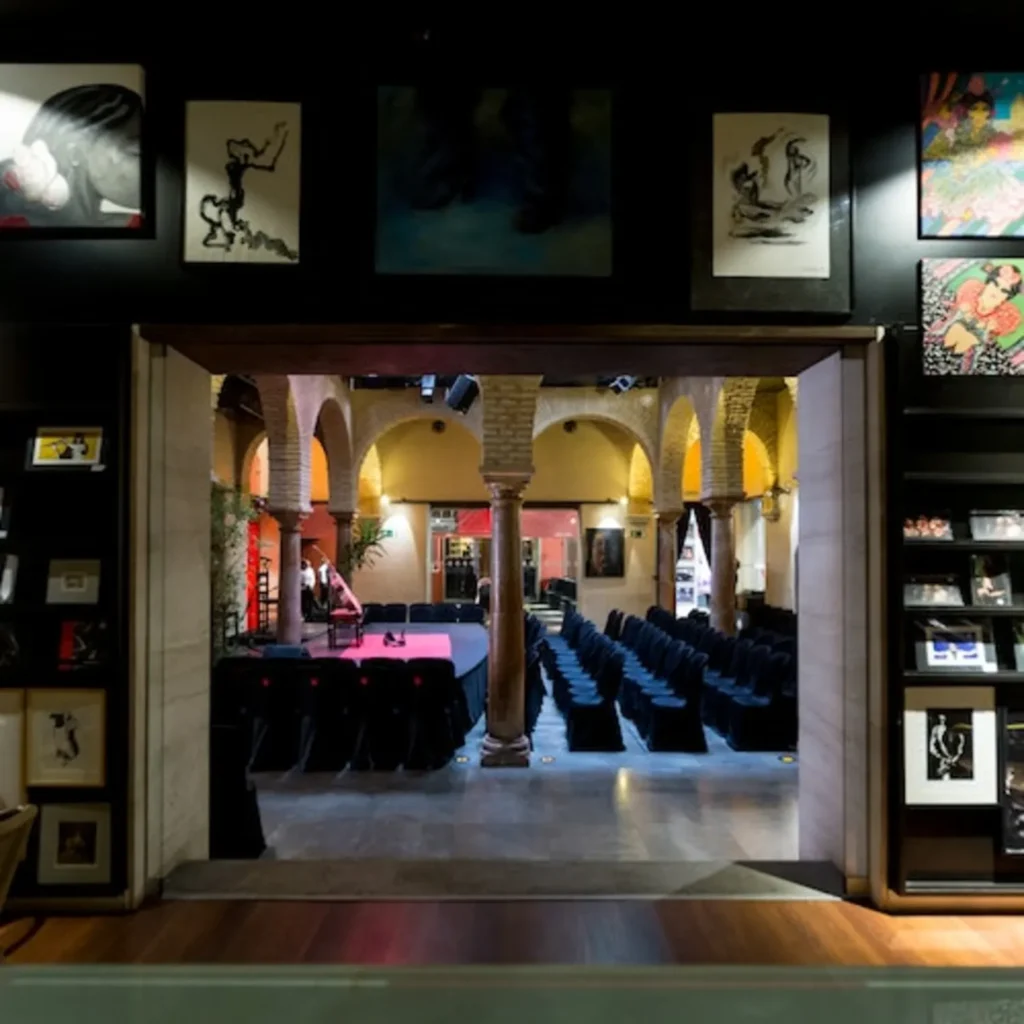
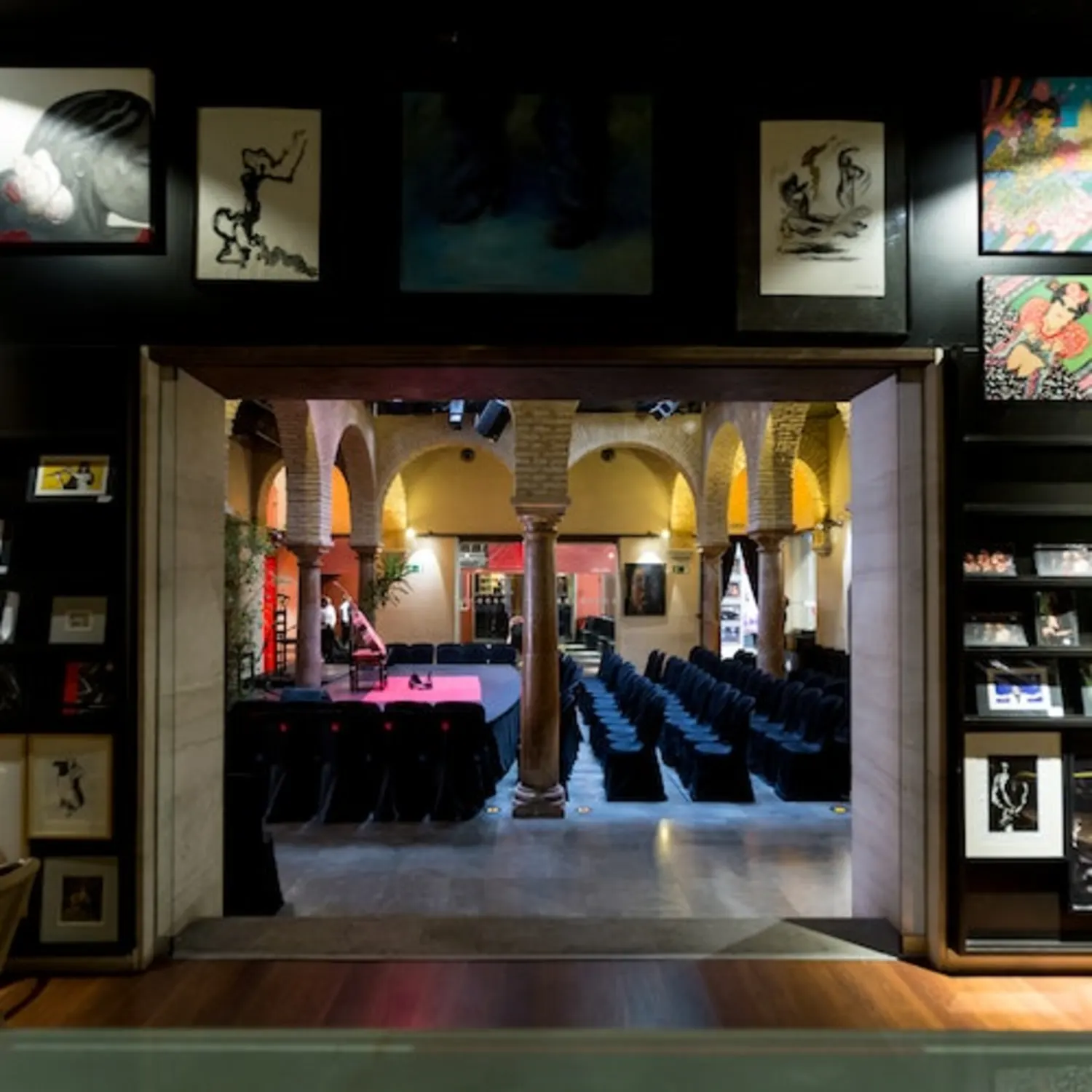
The central feature is the vaulted Ecijan courtyard, which serves as the main stage for live performances and provides an atmospheric setting for visitors.

The building is equipped with advanced climate control systems to ensure a comfortable environment during the hot Seville summers, and there are clean, well-maintained restroom facilities available for all ticket holders.

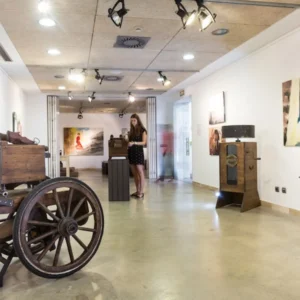
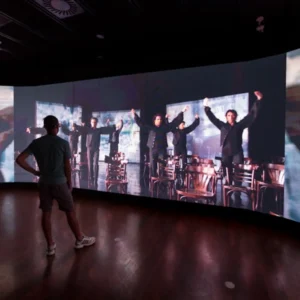
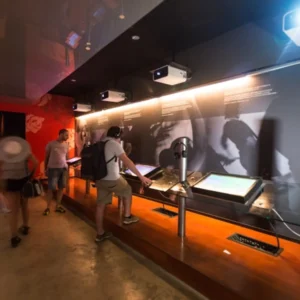
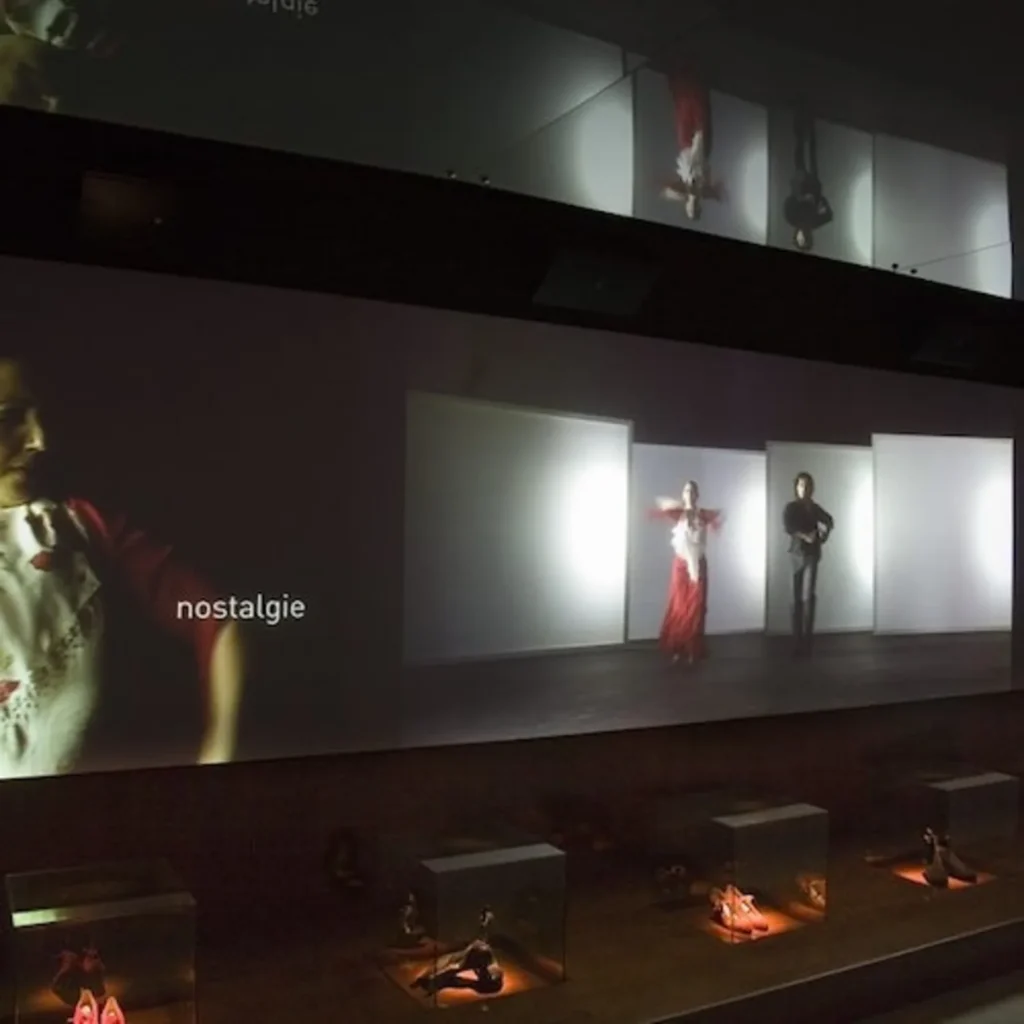
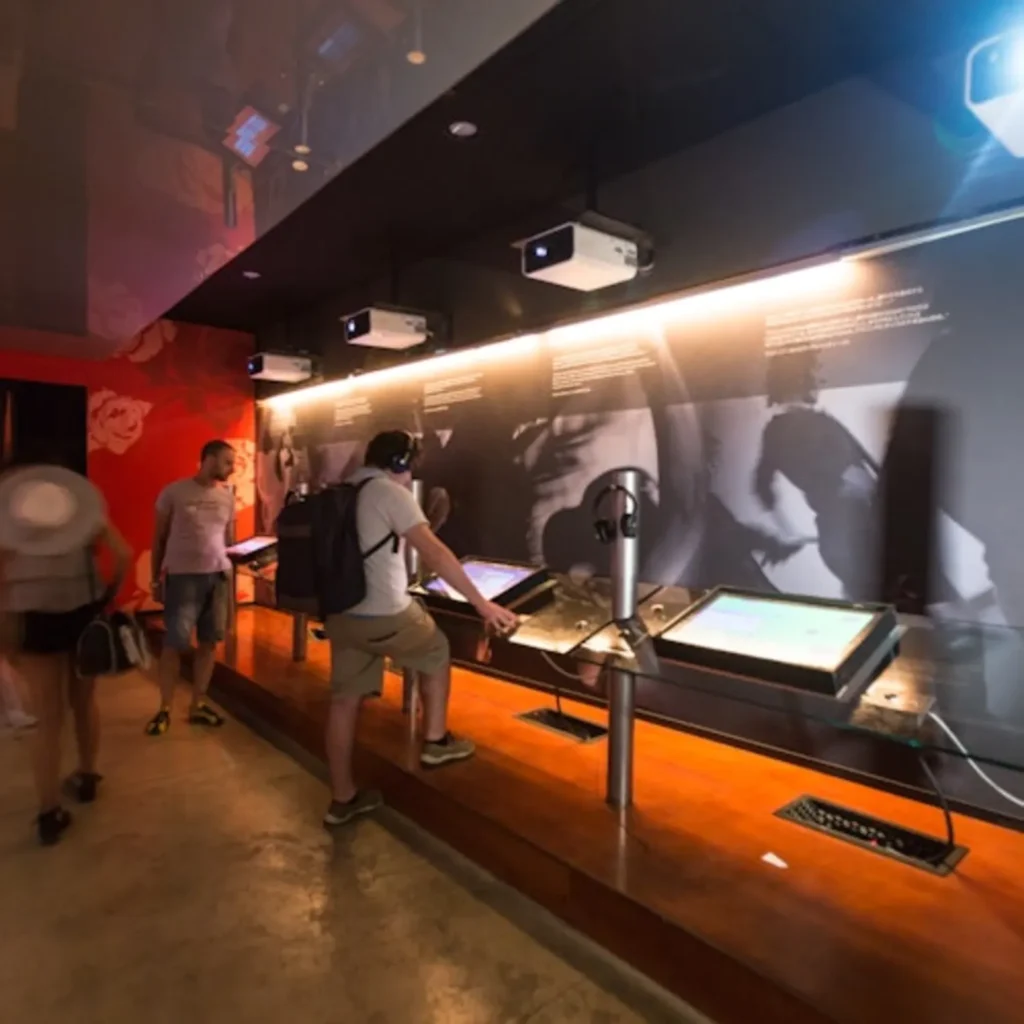
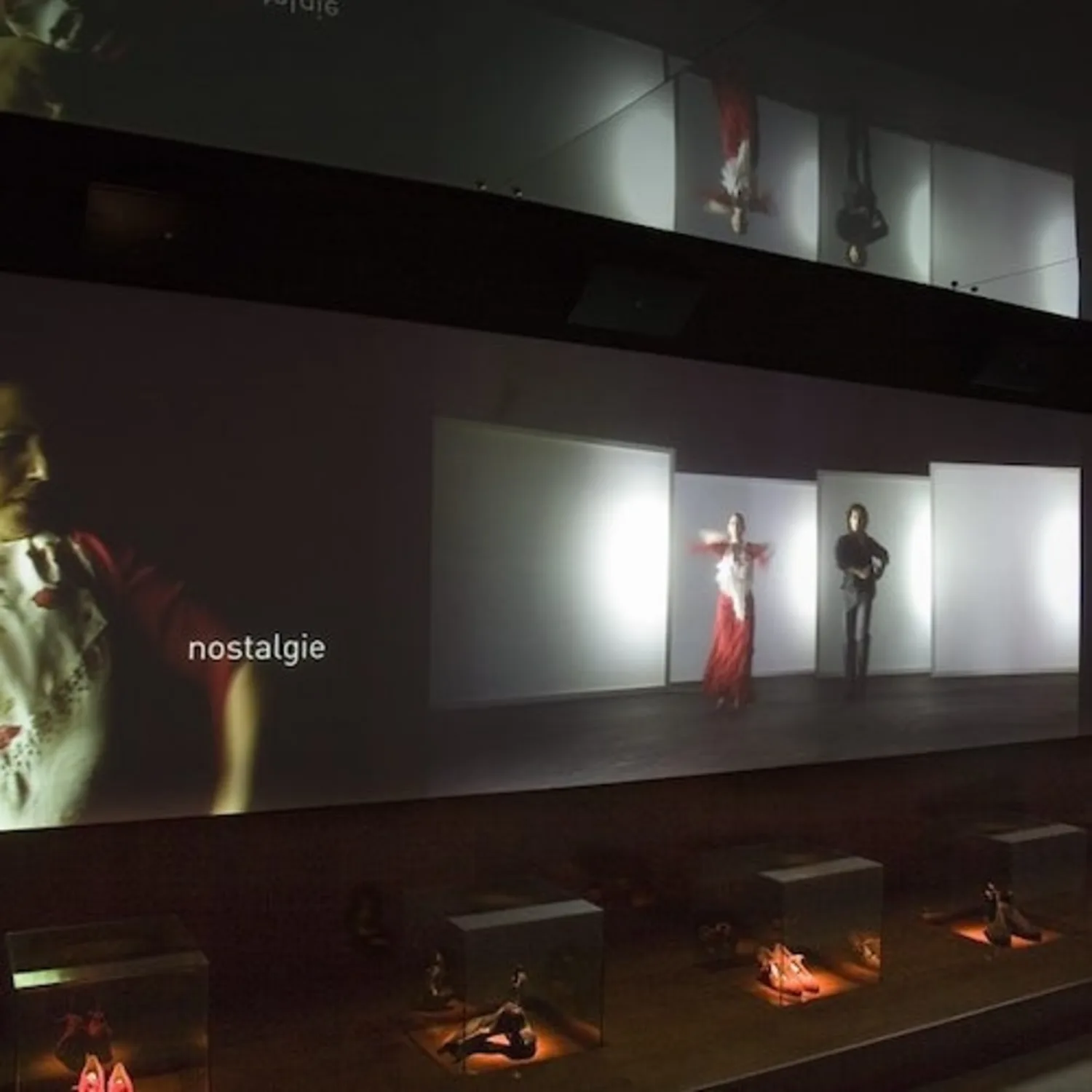
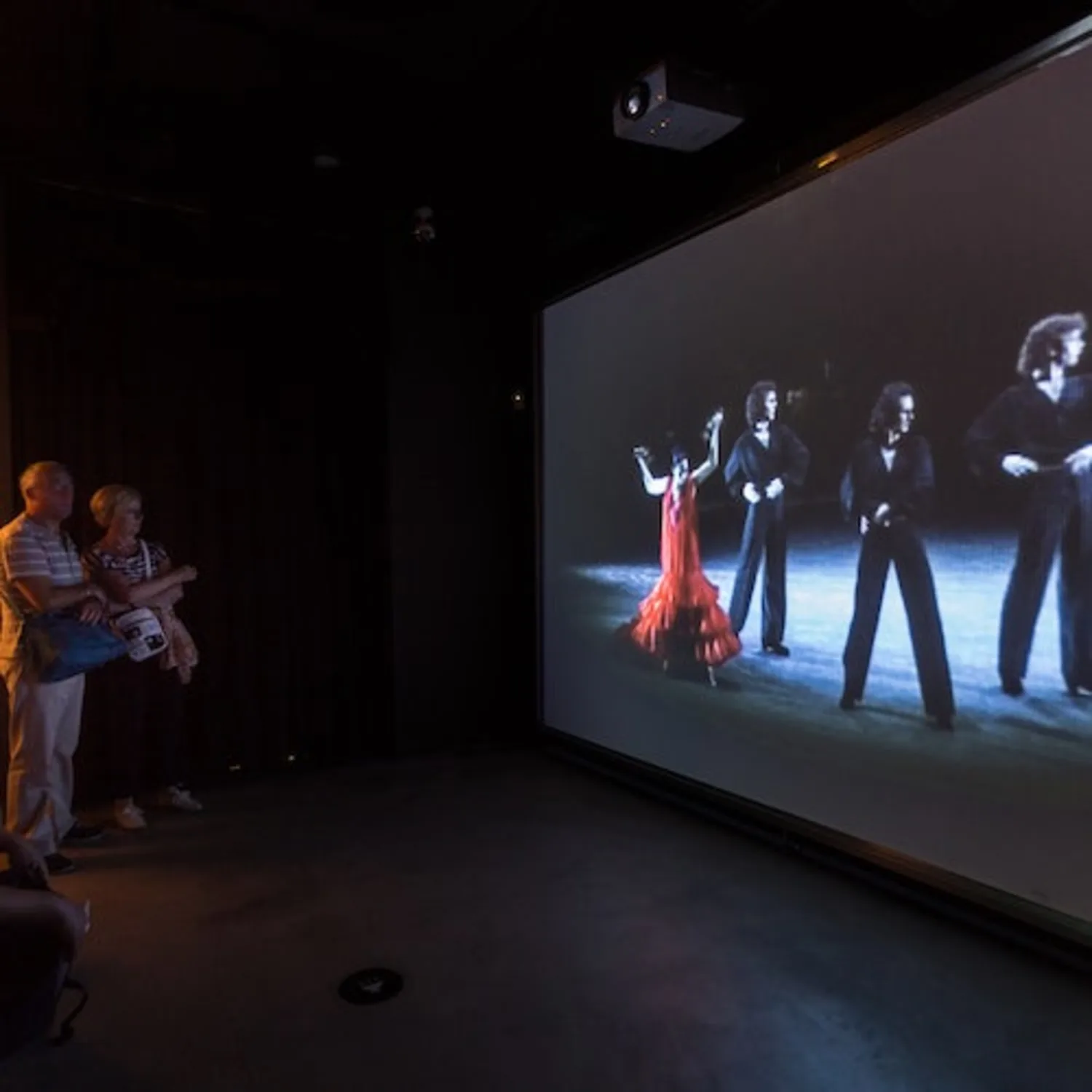
Digital integration is a priority throughout the venue, with high-definition screens and interactive terminals distributed across several floors.

These installations are designed to be user-friendly, allowing guests to navigate the history and geography of flamenco at their own pace.

Additionally, the museum provides lockers or a designated area for small bags, ensuring that guests can move through the narrow gallery spaces and enjoy the seated performances without being encumbered by luggage.

The museum is committed to providing access to all visitors and has been adapted to accommodate those with reduced mobility.

Despite the historic nature of the building, a modern elevator services all floors, ensuring that the permanent collections and temporary exhibitions are reachable for wheelchair users.

The main performance area in the courtyard is located on the ground floor, which features level flooring and no architectural barriers, allowing for easy entry and seating for guests using mobility aids.

Specific attention has been paid to the sensory experience within the galleries. The museum utilizes high-contrast lighting and clear, large-print signage to assist visitors with visual impairments.

For those with hearing impairments, the heavily visual and rhythmic nature of the multimedia displays – combined with the resonant acoustics of the courtyard – provides a tactile and inclusive way to experience the art form.

Staff members are trained to assist guests with specific needs; it is recommended to contact the museum in advance or notify the front desk upon arrival to ensure any necessary arrangements, such as priority seating or ramp deployment, are managed efficiently.

About the Flamenco Dance Museum

The Museo del Baile Flamenco in Seville is a world-class cultural institution dedicated to the preservation and promotion of flamenco in its most authentic form. Founded by the legendary dancer Cristina Hoyos, the museum is situated within a beautifully restored 18th-century palace in the historic Santa Cruz district, built atop the foundations of an ancient Roman temple.

It distinguishes itself through a sophisticated blend of traditional architecture and cutting-edge multimedia exhibits, offering visitors a comprehensive journey through the history, rhythms, and emotional depth of this UNESCO-recognized art form. Beyond its educational galleries, the museum serves as a premier performance space, hosting daily live shows in its atmospheric courtyard where top-tier artists showcase the technical precision and passion of true Andalusian flamenco.

Architectural Style: 18th-century Sevillian Palace (Neo-classical and Baroque elements)

Foundations: Ancient Roman Temple ruins

Total Area: Approximately 1,200 square meters distributed over four floors

Courtyard Capacity: Approximately 120 spectators per performance

Main Exhibit Floors: 3 levels dedicated to history, interactive displays, and art

Renovation Completion: 2006 (Led by Cristina Hoyos)

Geographic Elevation: 15 meters above sea level (The highest point in Seville)

Why Visit the Flamenco Dance Museum?

Founded by a Flamenco Legend

The museum was created by Cristina Hoyos, one of the most respected figures in the history of flamenco. Her influence ensures that every exhibit reflects a deep, authentic understanding of the art form rather than a simplified version for tourists.

An Immersive Multimedia Experience

The venue utilizes interactive screens and high-definition projections to explain the technical complexity of flamenco. These displays allow visitors to observe the intricacies of the footwork, arm movements, and rhythmic patterns that define the genre.

A Historic 18th-Century Setting

The museum is housed in a beautifully restored 18th-century palace built atop the foundations of an ancient Roman temple. The building itself is an architectural highlight, featuring a central courtyard where the acoustics are naturally suited for acoustic performances.

In-Depth Historical Context

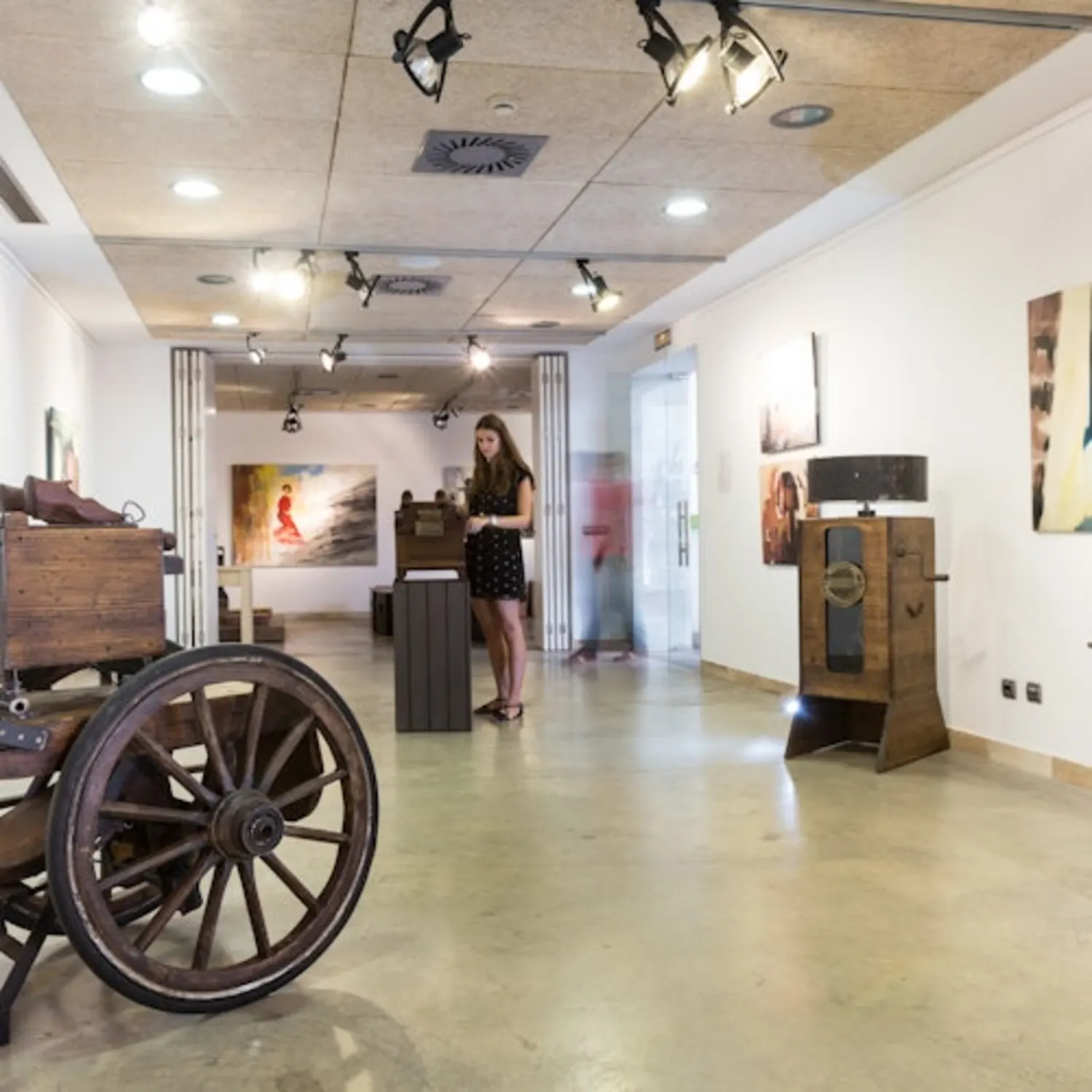
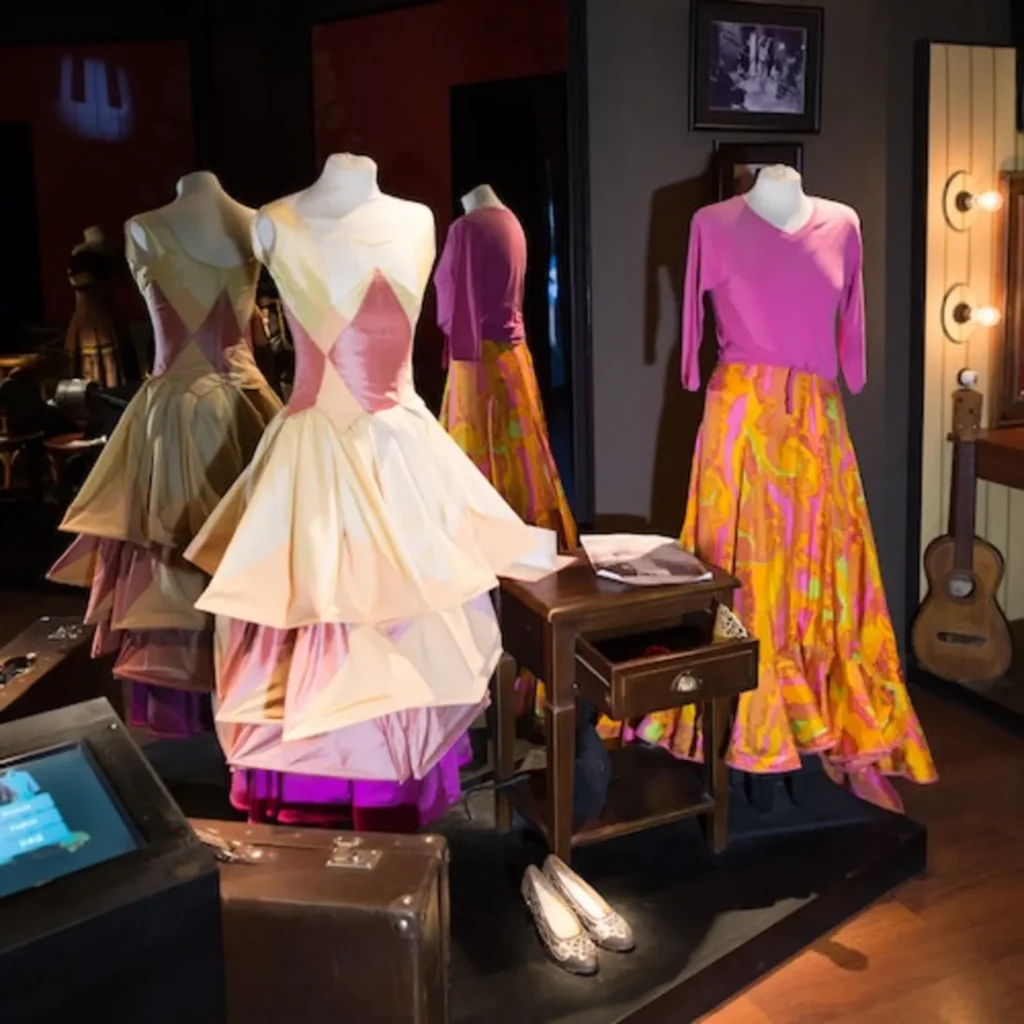
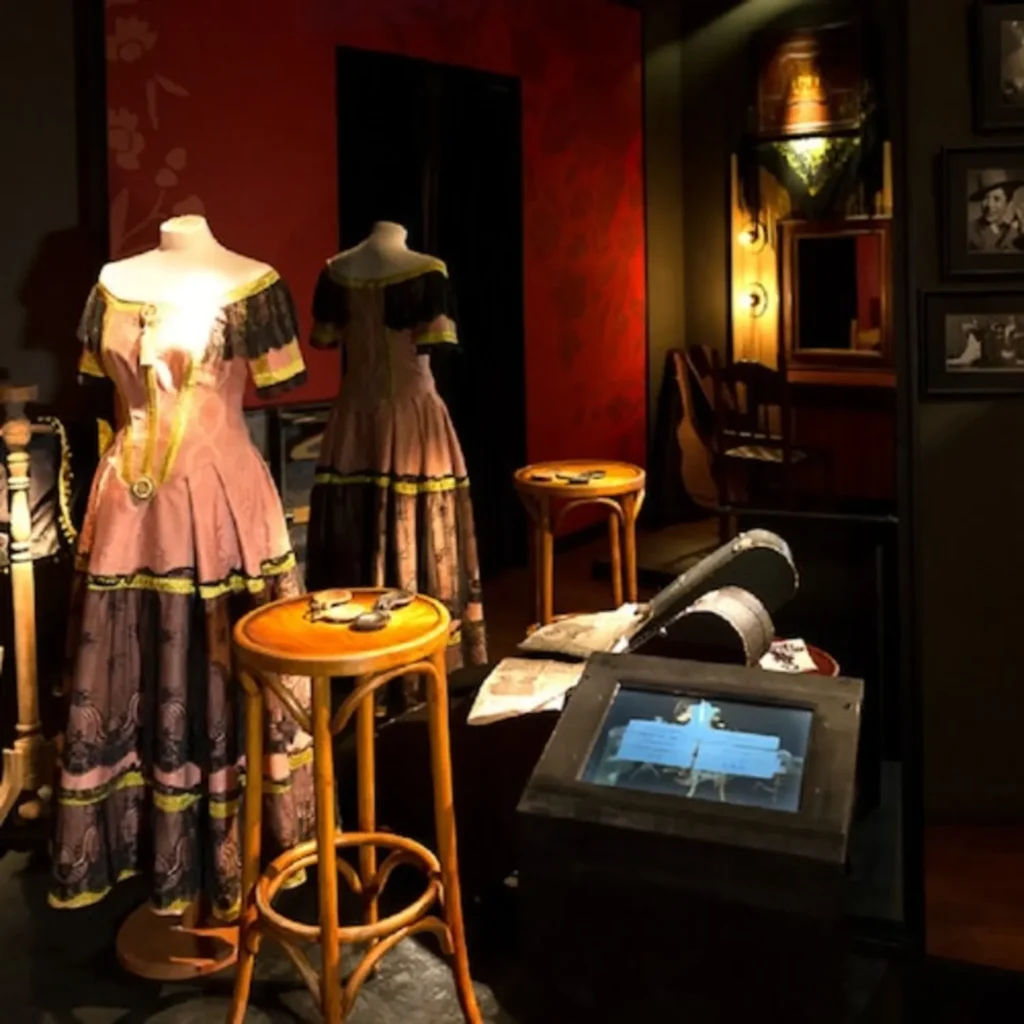
Beyond the music and dance, the museum provides a comprehensive look at the cultural origins and evolution of flamenco. You can explore a vast collection of historic costumes, fans, and photographs that document the transition of the art from its humble roots to the global stage.

Intimate and Authentic Performances

The courtyard serves as a venue for live shows that prioritize technical skill and emotional intensity over theatrical spectacle. Because of the venue’s small scale, guests are close enough to the stage to hear the dancers’ breathing and see the subtle nuances of their expressions.

Additional Info

While the Flamenco Dance Museum does not operate a full-scale internal restaurant, its prime location in the Alfalfa and Santa Cruz districts puts it within seconds of some of Seville’s most historic culinary spots.

The streets immediately surrounding the museum are lined with traditional tapas bars and cafes where visitors can enjoy local specialties such as montaditos, Iberian ham, and chilled manzanilla wine before or after a show.

For those attending evening performances, the proximity to Plaza de la Alfalfa and Cuesta del Rosario offers a wide variety of dining options ranging from casual outdoor seating to formal dining rooms.

Many nearby establishments cater to the performance schedule, making it easy to find a meal even after the later shows conclude. This allows visitors to pair their cultural experience at the museum with the authentic gastronomic traditions of Seville’s old city.

Located near the exit, the museum’s boutique offers a curated selection of high-quality items that reflect the true craftsmanship of Andalusia.

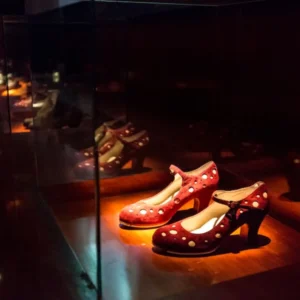
Rather than standard tourist trinkets, the shop focuses on authentic flamenco attire and accessories, including hand-painted fans (pericones), embroidered silk shawls (mantones), and professional-grade castanets.

Visitors can also find a specialized collection of books, music, and documentaries that provide deeper academic insight into the history of the dance.

The store also features a range of unique gifts inspired by the building’s architecture and Cristina Hoyos’s career. This includes posters, jewelry, and stationery that incorporate traditional flamenco motifs.

Whether you are looking for professional equipment or a commemorative gift, the shop provides an opportunity to support local artisans and take home a piece of Spanish cultural heritage that is verified for its quality and origin.

Interesting Facts about The Flamenco Dance Museum

The Flamenco Dance Museum is the first and only museum in the world dedicated exclusively to the art of flamenco dance.

The building is constructed upon the remains of a Roman temple, which was discovered during the extensive renovation of the site.

The museum was founded and is currently directed by Cristina Hoyos, who is widely considered one of the greatest flamenco dancers of all time.

The 18th-century palace housing the museum features a unique vaulted courtyard designed specifically to amplify the natural acoustics of the dance.

The museum’s basement contains an ancient stone vault that is often used for specialized, even more intimate flamenco performances and exhibitions.

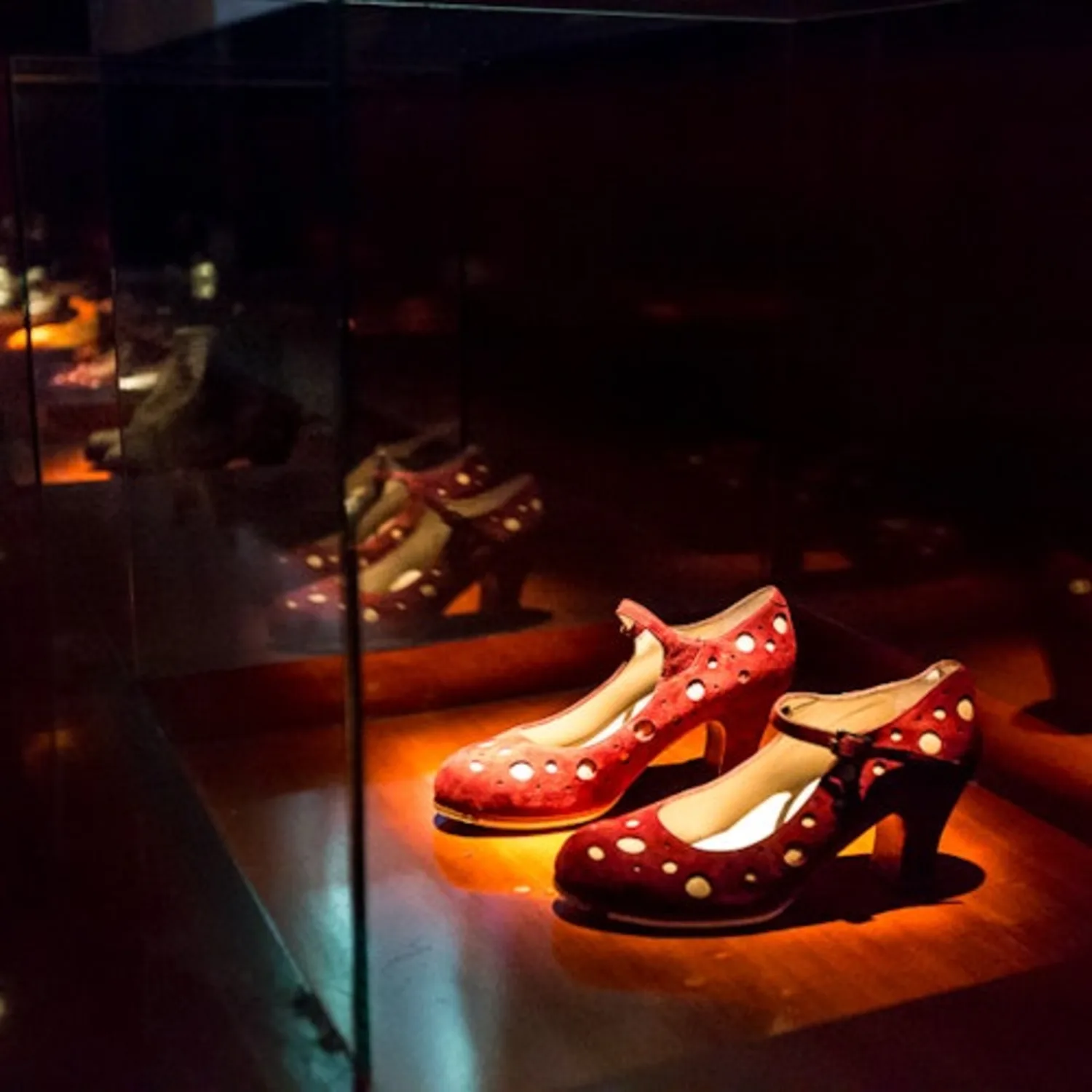
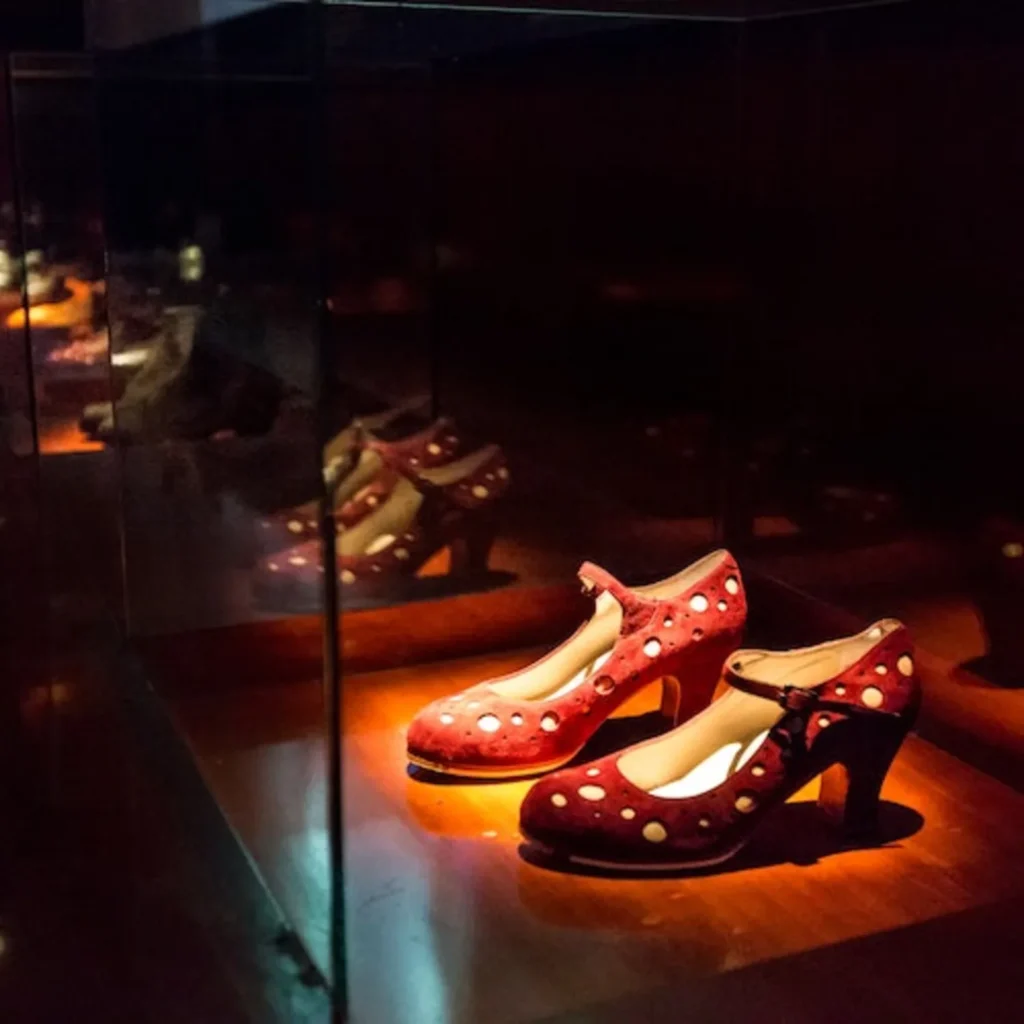
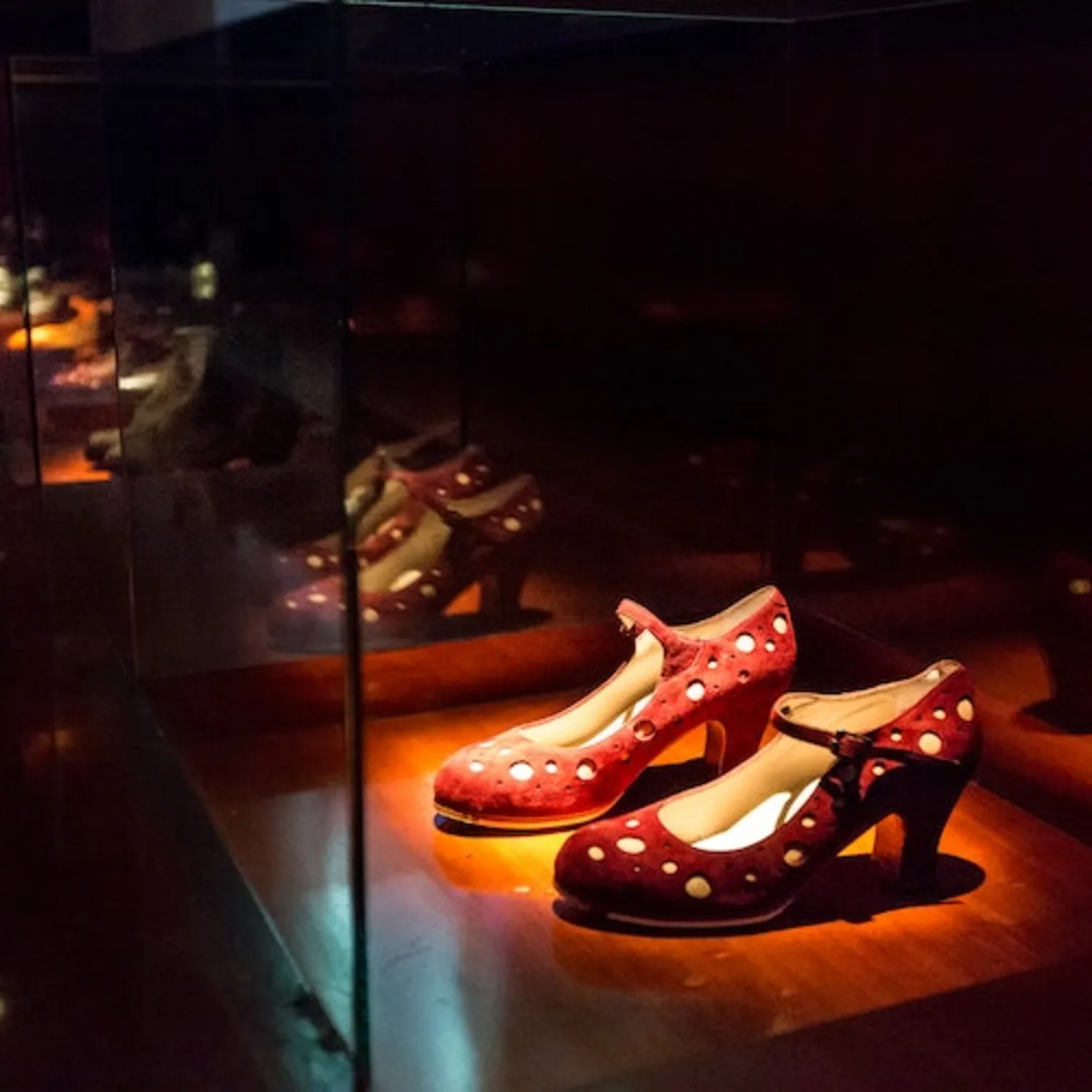
The permanent collection includes an extensive archive of historic costumes that were actually worn by legendary dancers throughout the 20th century.

Unlike traditional museums, this venue uses interactive walls that allow visitors to “play” rhythmic patterns and learn about the different styles of flamenco.

The museum is located at the highest point in the city of Seville, a geographic detail that was historically significant during the Roman era.

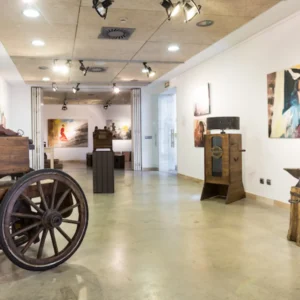
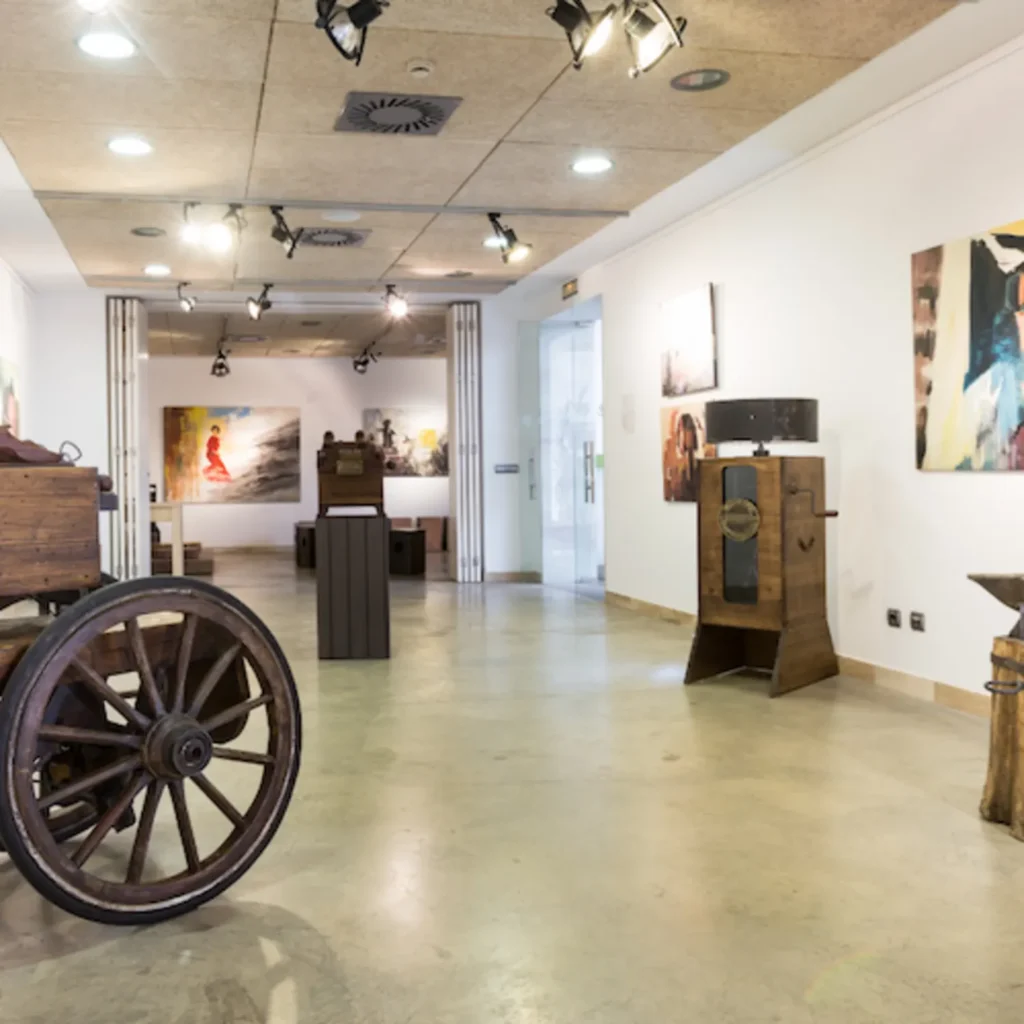
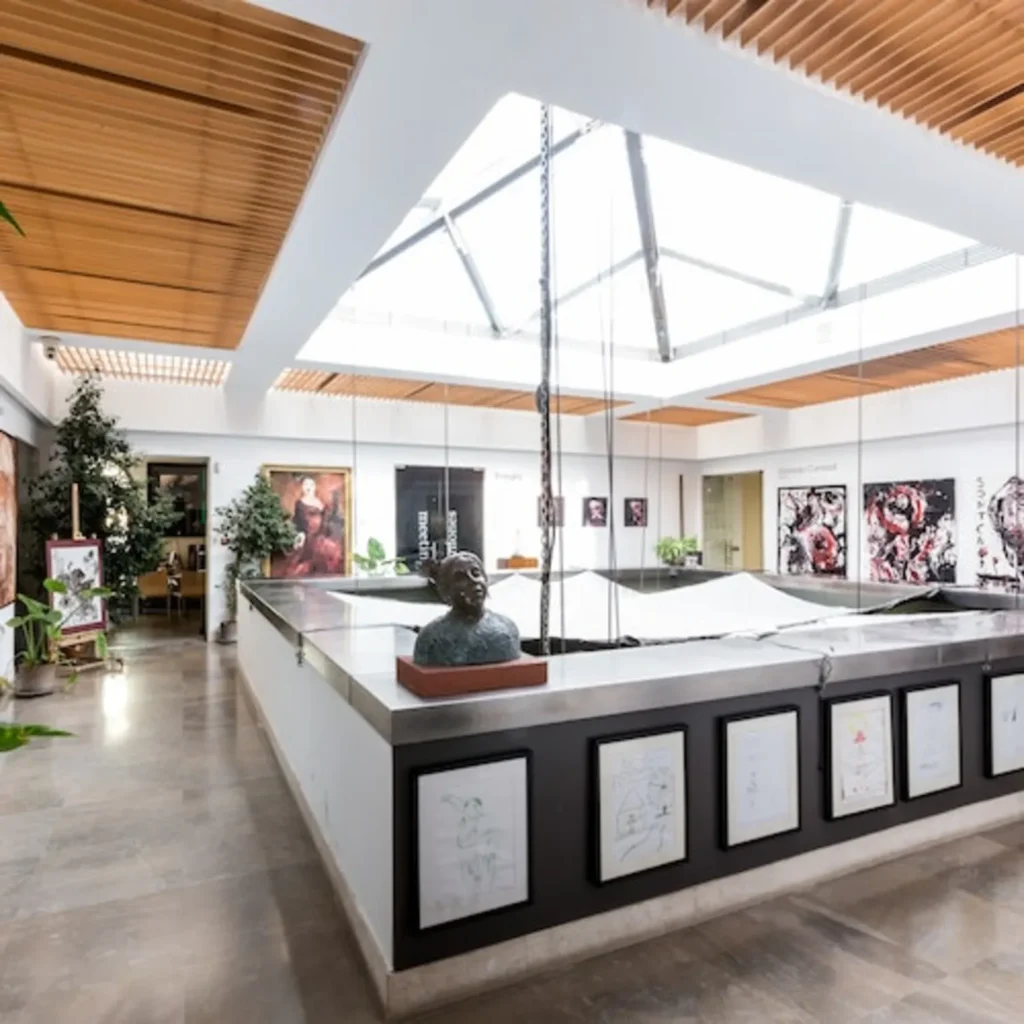
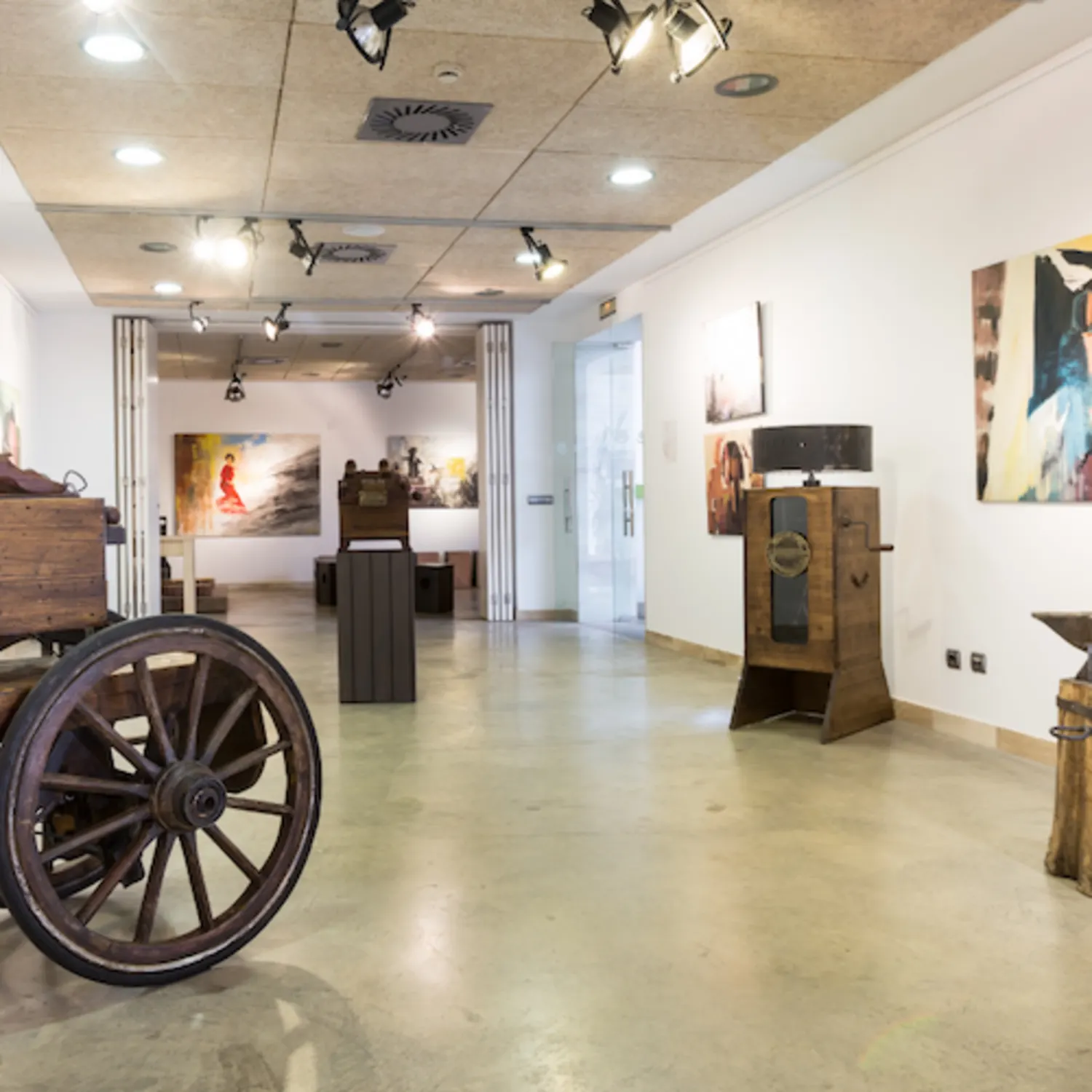
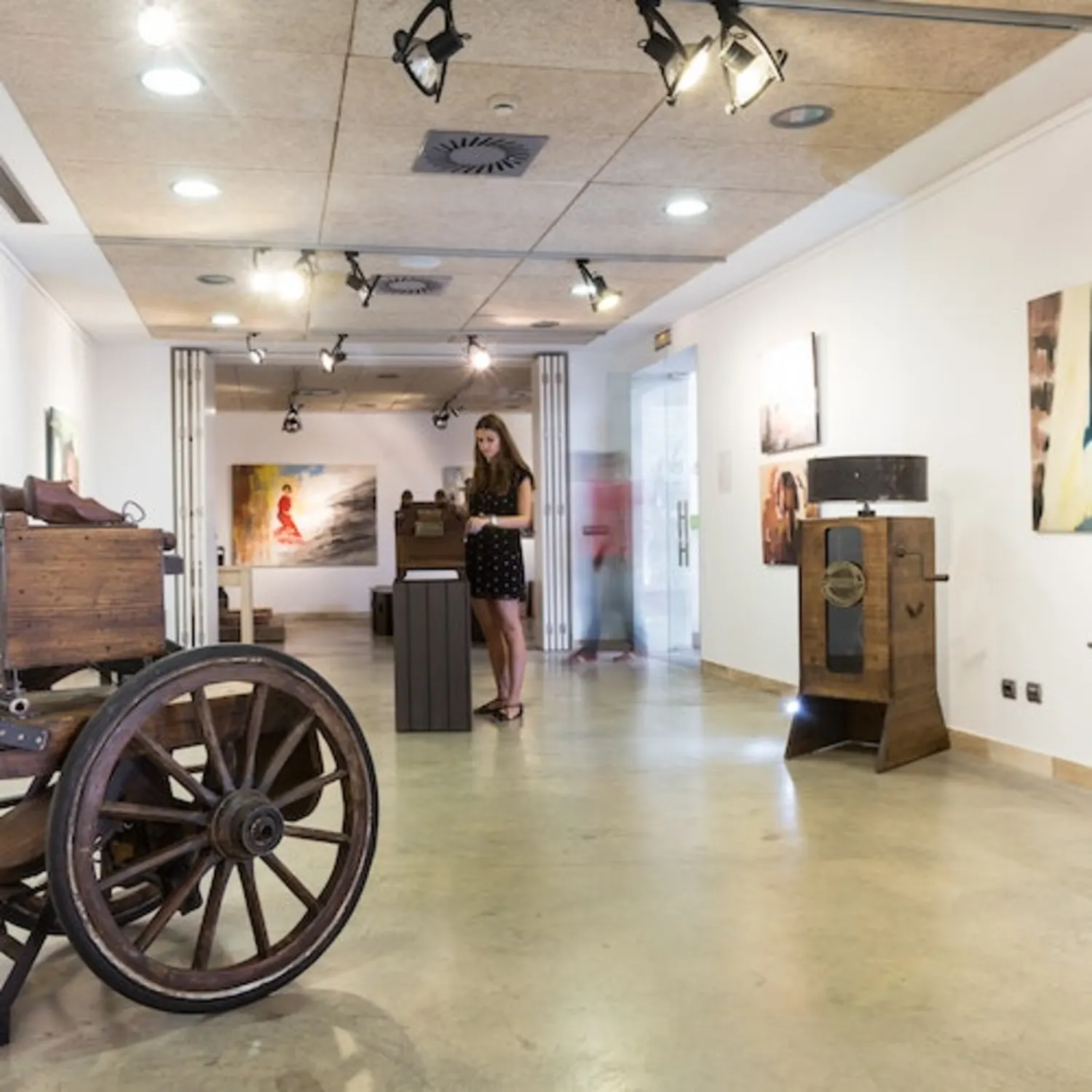
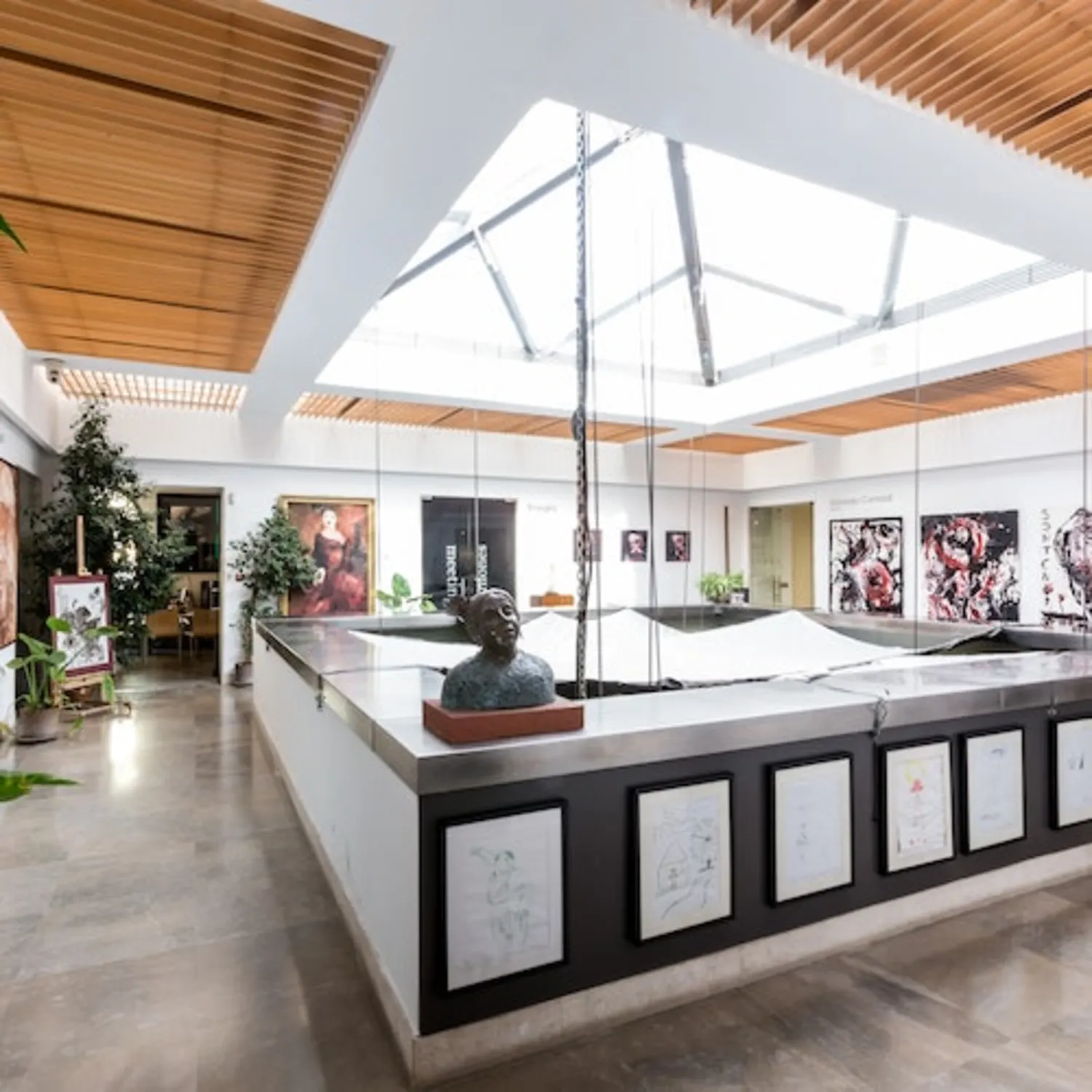
The venue features a dedicated gallery for temporary art exhibitions that explore the visual relationship between flamenco and modern painting or sculpture.

The “Golden Age of Flamenco” section uses high-definition projections to recreate the atmosphere of the 19th-century singing cafes known as Cafés Cantantes.

The museum offers professional workshops on its upper floors where students from around the world come to study guitar, song, and dance.

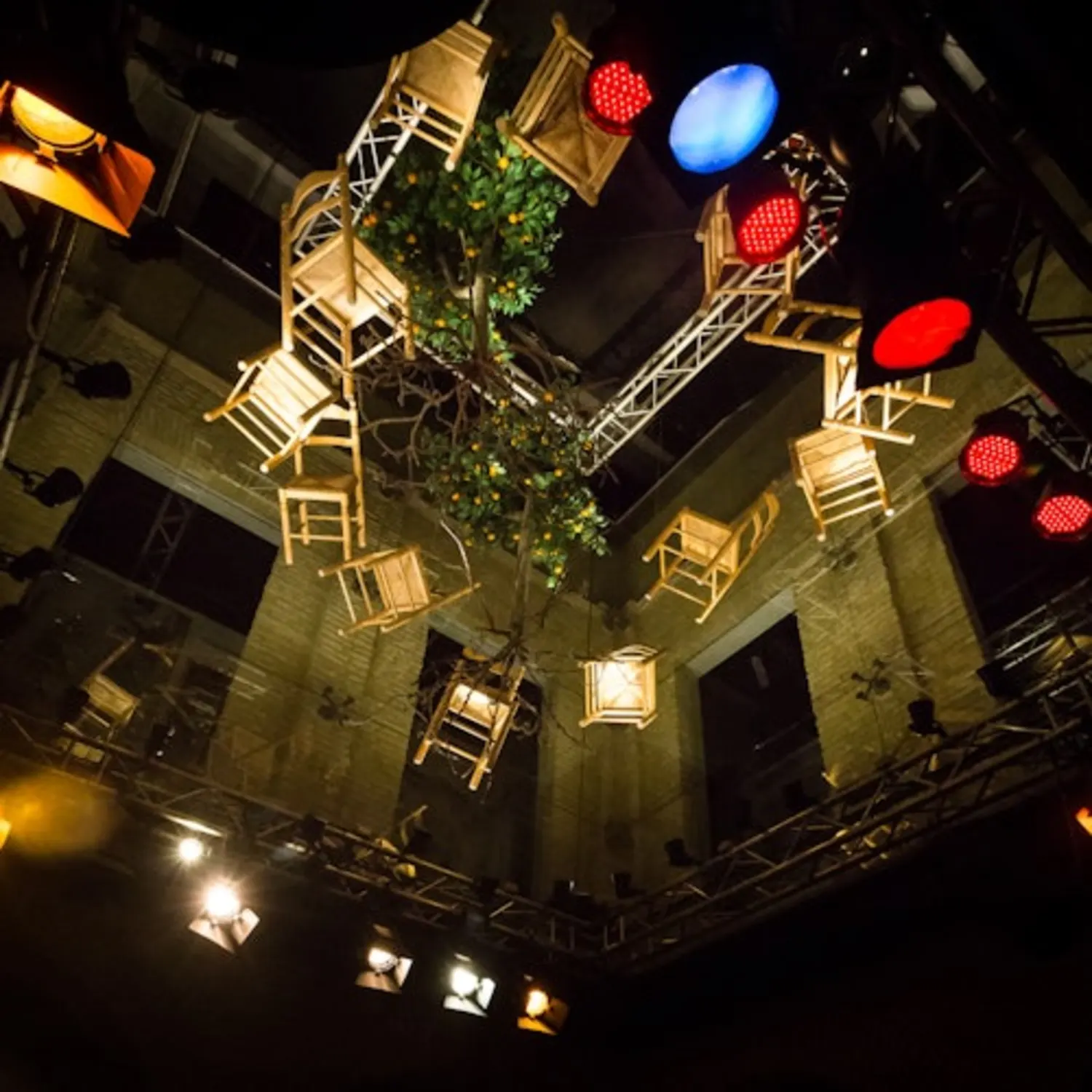
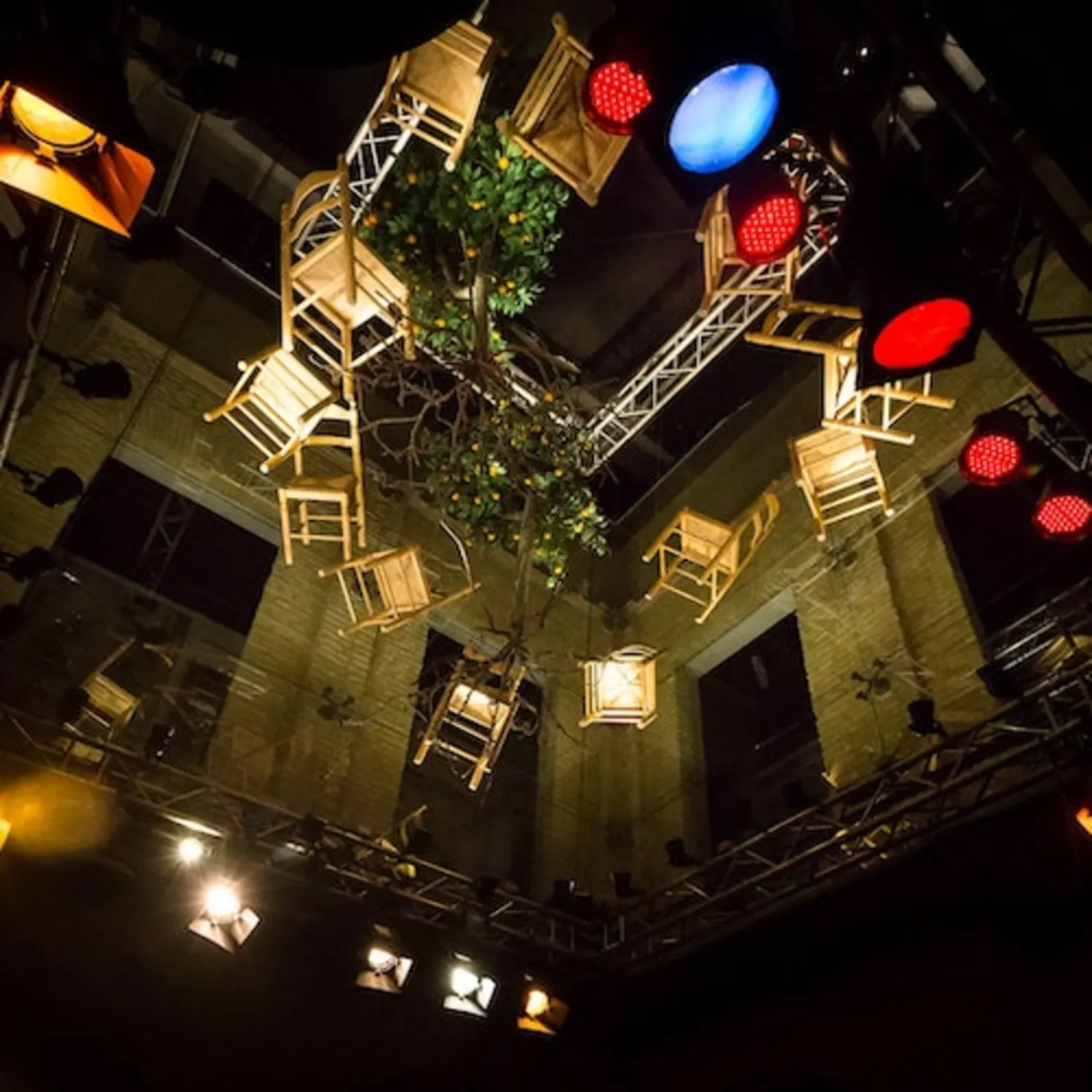
The central orange tree in the courtyard is a traditional feature of Andalusian architecture, providing shade and scent during the spring months.

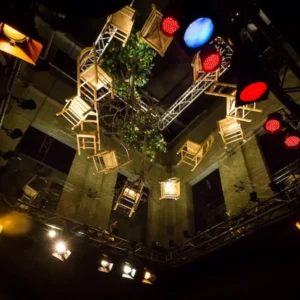
The museum’s lighting was specifically designed to mimic the dramatic shadows and highlights typically seen in traditional flamenco stage lighting.

Every performance at the museum features a different cast of artists, ensuring that no two live shows are ever exactly the same.

The venue has received numerous awards for its work in preserving the “Intangible Cultural Heritage” of flamenco as recognized by UNESCO.

FAQs about the Flamenco Dance Museum

Who founded the Flamenco Dance Museum?

The museum was founded by Cristina Hoyos, a world-renowned flamenco dancer and choreographer who remains its central figure today.

What is architecturally significant about the building?

The museum is housed in an 18th-century palace built atop ancient Roman temple ruins, the stones of which are still visible in the basement.

Why is the venue’s location unique?

It is situated at the highest geographic point in Seville, a location that has been strategically important since the Roman era.

What makes the performance courtyard special?

The Ecijan-style courtyard was specifically renovated to provide natural acoustics that perfectly complement acoustic flamenco music and dance.

Is this a traditional museum or an interactive one?

The venue is a cutting-edge interactive space featuring high-definition multimedia displays that allow visitors to engage with the technical aspects of flamenco.

What can be found in the museum’s basement?

The basement features an ancient vaulted cellar that hosts intimate “VIP” performances and serves as a historical archaeological site.

Are there temporary exhibitions at the venue?

Yes, the museum hosts a dedicated art gallery with rotating exhibits that explore the intersection of flamenco with painting, sculpture, and photography.
Do I need to buy tickets in advance for the show?

Advance booking is highly recommended because the intimate courtyard setting has limited seating and frequently sells out.

How long does a visit to the museum take?

Most visitors spend approximately one hour exploring the galleries, though those with combined tickets should arrive earlier to see everything before the show.

Is the museum accessible for wheelchair users?

The entire museum is fully accessible via a modern elevator that services all four floors, including the performance areas and galleries.

Is there a specific dress code for performances?

There is no formal dress code required, although smart-casual attire is common given the cultural nature of the event.

Can I take photos during the flamenco show?

Photography and video recording are strictly prohibited during the performance to ensure the artists and other guests are not distracted.

What should I do if I am arriving by car?

Since the museum is in a restricted pedestrian zone, you should park at nearby garages like Parking Cuesta del Rosario or Parking Imagen.

Are there dining facilities inside the museum?

While there is no internal restaurant, the museum is located in the Alfalfa district, which is famous for its high concentration of traditional tapas bars.

This website sells official tickets for this venue. Please note, however, that it is not the official website of the venue.
The images and videos on this website may contain visual elements that have been created or enhanced using AI technology. They are provided for illustrative purposes only.